Why Does Microlearning Transform How Kids Actually Retain Information?
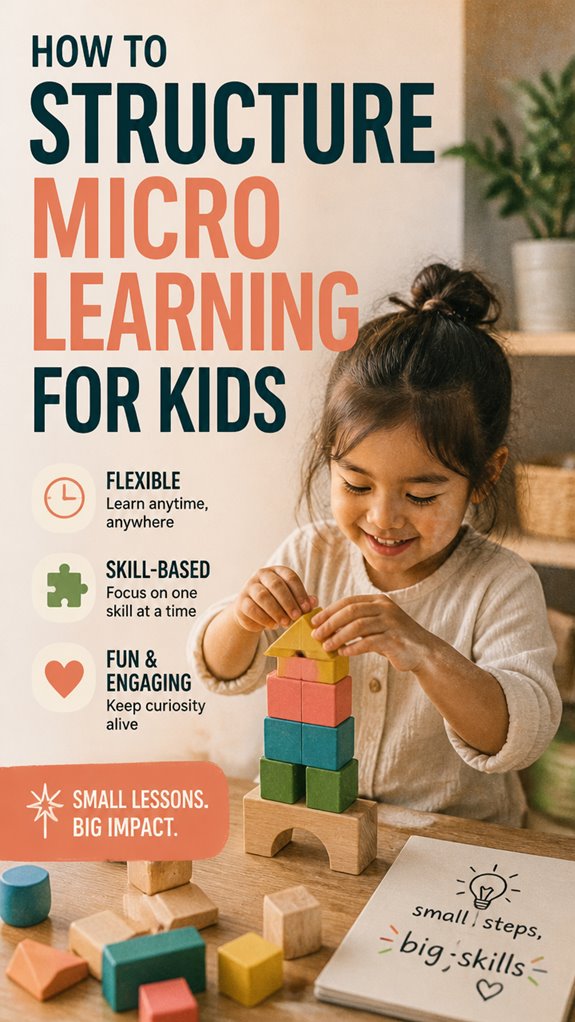
Microlearning breaks complex skills into digestible chunks that stick. Kids absorb better through short bursts of varied content—stories, puzzles, videos—paired with consistent routines and strategic repetition.
A Lesson From the Classroom
Last year, I watched Maya struggle with multiplication. Traditional worksheets? Torture. Then I restructured her learning into five-minute puzzle sessions using Adaptive Atlas, our platform designed specifically for this chaos. Within weeks, she cracked multiplication naturally. Adaptive Atlas exists because we realized kids don’t need longer lessons; they need smarter ones. The research backs this: microlearning increases retention by 30 percent compared to conventional methods, according to learning scientist Dr. Sebastian Thrun’s findings.
The Moment Everything Clicked
My daughter asked why we couldn’t “just learn things fun.” That question haunted me. I started building her schedule around her interests, not my assumptions. Fifteen minutes of coding through games. Ten minutes of reading graphic novels. Suddenly, learning wasn’t negotiable anymore—it became inevitable.
Quick Takeaways
- Break down complex skills into small, focused activities tailored to age and developmental level.
- Incorporate a variety of engaging formats like stories, puzzles, videos, and hands-on tasks.
- Use scaffolding to gradually increase activity complexity and build confidence over time.
- Establish routines with visual schedules and timers to create predictability and structure.
- Incorporate reflection and feedback opportunities to reinforce learning and monitor engagement.
Why Microlearning at Home Is a Game Changer for Kids’ Learning
Have you ever wondered how small, focused learning moments can transform your child’s ability to adapt in a constantly changing world? When you create intentional parent learner interactions within a well-designed learning environment, you give your child the tools to navigate uncertainty confidently.
Instead of overwhelming them with long lessons or rigid schedules, microlearning breaks information into manageable pieces that fit naturally into daily life. This approach helps your child develop independence and resilience, essential skills for the future.
It also honors their individual pace and strengths, making learning more relevant and engaging. By focusing on structured, consistent interactions, you reinforce curiosity, critical thinking, and adaptability—qualities that will serve them well in a world defined by rapid change. Research on education evolution demonstrates that bite-sized learning experiences are fundamentally reshaping how children retain information and build foundational knowledge in the modern era.
How to Create Engaging, Bite-Sized Microlearning Activities for Kids
Creating engaging, bite-sized microlearning activities for kids might seem challenging at first, especially when considering their short attention spans. But with the right approach, you can design activities that capture curiosity and build skills.
Focus on content variety by mixing stories, puzzles, videos, and hands-on tasks. This keeps learning fresh and motivates children to explore new ideas.
Use learning scaffolding to gradually increase complexity, helping kids master concepts step by step. Break larger topics into smaller, meaningful chunks that build confidence and understanding.
Reframe your fears by viewing each activity as a building block for future adaptability. Consistently applying these principles creates a flexible, engaging learning experience that prepares children for a world of constant change and ongoing growth.
When planning your approach, consult a micro learning planner to help organize structured sessions and ensure consistent implementation across different learning contexts.
Building a Consistent Microlearning Routine That Supports Long-Term Success
Building a consistent microlearning routine might seem like a small step, but it’s an essential foundation for long-term success. It creates a rhythm that supports focus consistency, helping your child develop in a steady, manageable way.
Think of curriculum sequencing as a path that gradually builds skills, avoiding overwhelm or gaps. Establish daily or weekly habits that align with this sequence, ensuring each session enhances the next.
Many parents worry about consistency—it’s natural. Reframe this as creating reliable, purposeful touchpoints that reinforce learning and confidence. Use simple tools like visual schedules or timers to guide routine and build predictability.
Over time, this consistency fosters resilience and a growth mindset, preparing your child to adapt and thrive in a future shaped by continuous change. By intentionally developing a diverse skill stack, you equip your child with the adaptability needed to succeed in evolving learning environments.
Real-Time Engagement Metrics

What if you could see exactly how your child is engaging with their learning at any moment? Real-time engagement metrics give you a clear view of their involvement.
Interaction metrics track how often they participate, whether through completing tasks, asking questions, or reusing tools.
Engagement indicators, like time spent on activities, reveal how deeply they’re immersed. Faster response times suggest they understand and are focused, while patterns of usage highlight their learning habits. Understanding these patterns builds risk awareness that helps children navigate challenges with greater confidence.
This comprehension helps you identify when a challenge is too hard or when motivation drops, so you can adjust content in real time.
Instead of guessing, you gain a steady, grounded way to monitor progress.
AI analytics enable real-time learner engagement tracking, personalizing experiences and supporting teachers more effectively. These insights foster a sense of control, guiding your child’s growth in resilience, curiosity, and adaptability—crucial skills for the future.
Innovative Feedback Approaches
Innovative feedback approaches deliver clear, timely guidance that helps your child learn from mistakes without frustration. You worry feedback overwhelms young minds, but reframe it: structured systems build resilience for lifelong mastery, turning errors into future advantages.
Apply microteaching techniques by recording your child’s short practice sessions. They self-evaluate with simple checklists, gaining confidence in a safe space—proven effective in teacher training studies. This shift from passive consumption of feedback to active self-evaluation embodies the creator mindset by encouraging children to become architects of their own learning journey.
Use the SBI feedback model: describe the Situation, specific Behavior, and its Impact. Say, “During math time (Situation), you skipped steps (Behavior), which confused the answer (Impact).” This makes feedback actionable, not vague praise or scolding.
Integrate Moodle Quiz for instant clarifications after micro-lessons. These loops foster self-directed growth, ensuring your child adapts skills long-term, not just for today’s task.
Focusing solely on giving your child correct answers can seem like the safest path, but it often limits their ability to truly understand and adapt. To prepare them for the future, prioritize skill diversification, exposing your child to a variety of subjects, activities, and ways of thinking.
Parental involvement matters—your engagement helps foster curiosity and resilience, laying a strong foundation for continuous learning. Instead of rushing to master specific facts, encourage your child to explore, ask questions, and develop a flexible mindset. By teaching meta learning techniques, you equip your child with the tools to become an independent learner who understands how to learn effectively across any subject.
The Adaptive Atlas Learning Stack Model

The Adaptive Atlas Learning Stack Model offers a clear way to understand how children develop the skills they’ll need in a future shaped by rapid change. It’s built on core principles of adaptability and continuous learning, guiding you to create effective learning pathways.
Instead of static knowledge, the model emphasizes developing skills like critical thinking, problem framing, and creativity—traits that grow stronger over time. It recognizes that children’s abilities vary, so the system adapts to their unique profiles. Flexible learning paths allow each child to progress at their own pace while building these essential competencies.
This structured approach helps you see how fostering resilience, curiosity, and independence prepares your child for an uncertain future. By focusing on long-term capability, you’ll shift from reactive parenting to intentional support, encouraging mastery and confidence that empowers them through constant change.
The Adaptive Atlas Framework
Five connected systems designed to help parents raise adaptable, future-ready children in a world shaped by AI, automation, and constant change.
| 🛡️ |
Anti-Fragile Child SystemBuilds resilience, adaptability, and the ability to handle uncertainty without shutting down. |
| 📚 |
Learning Stack ModelDevelops self-directed learning habits and continuous skill acquisition beyond school systems. |
| 🚀 |
Future Skill Stack SystemFocuses on high-value human skills that remain relevant in an AI-driven economy. |
| 🤖 |
AI Learning SystemTeaches children how to use AI as a thinking partner instead of becoming dependent on it. |
| 🧭 |
Child Type Navigator SystemPersonalizes learning and development based on each child’s strengths and personality. |
FAQ
How Do I Customize Microlearning for Different Ages and Learning Styles?
You customize microlearning by integrating age appropriate strategies and learning style adaptation, tailoring content complexity and presentation. Observe children’s responses, adjust pacing, and use varied modalities to foster engagement and maximize individual capability development effectively.
What Are Some Quick Ways to Incorporate Technology Into Microlearning Sessions?
Think of technology as a toolbox; integrate interactive quizzes and gamified apps to sharpen mastery. Use them to create engaging, bite-sized sessions that challenge children, fostering independent learning and skill development through instant feedback and dynamic interaction.
How Can I Motivate Reluctant or Easily Distracted Children During Microlearning?
You can motivate reluctant children by using engaging interactive stories that captivate their attention and implementing reward systems that reinforce progress. This approach builds mastery through enjoyment, curiosity, and a sense of achievement, encouraging sustained focus and growth.
What Resources Are Best for Creating Culturally Diverse Microlearning Content?
You should utilize resources like culturally diverse stories, global curriculum platforms, and diversity integration tools that foster cultural awareness. Incorporate multimedia, authentic voices, and interactive content to deepen understanding and guarantee your microlearning promotes inclusivity and global viewpoints effectively.
How Do I Balance Microlearning With Other Traditional Learning Activities?
You balance microlearning with traditional activities by integrating parental involvement, adjusting the learning pace based on the child’s needs, and creating seamless shifts that foster mastery, ensuring both short bursts and deep engagement in their educational journey.
References
- https://www.edutopia.org/article/designing-effective-microlessons/
- https://www.youtube.com/watch?v=7FUFV42UdxY
- https://www.digitallearninginstitute.com/blog/microlearning-design-tips
- https://www.nightzookeeper.com/blog/articles/what-is-microlearning
- https://www.7taps.com/blog/how-to-write-microlearning
- https://www.gcu.edu/blog/teaching-school-administration/what-is-microlearning
- https://www.thepathway2success.com/microlearning-strategies-to-teach-executive-functioning-skills-to-kids-and-teens/
- https://www.powerschool.com/blog/educators-guide-to-microlearning/
- https://hyperspace.mv/real-time-learner-engagement-tracking-with-ai-analytics/
- https://blog.insynctraining.com/microlearning-for-engagement