Can Bite-Sized Learning Actually Transform How Kids Learn?
Yes. Microlearning delivers focused lessons that stick in memory while building genuine confidence. Dr. John Hattie’s research confirms personalized pacing boosts retention. Kids absorb concepts faster when lessons match their speed, making education feel less overwhelming and more achievable.
Why We Built Adaptive Atlas
My daughter Maya stared blankly at her math worksheet for twenty minutes. One problem. I watched frustration creep across her face. That night, I discovered she’d absorbed the concept in three two-minute videos but froze facing the full worksheet. That gap between understanding and applying knowledge haunted me. I realized kids needed scaffolded pathways, not content dumps. This moment sparked Adaptive Atlas. We built it so children progress through micro-lessons that connect strategically, building competence without burnout.
The Breakthrough Moment
Last Tuesday, my son completed his entire week’s science unit in four sessions instead of drowning in one marathon lesson. He actually asked questions. He volunteered answers at dinner. His teacher noticed the shift. Microlearning isn’t just efficient. It resurrects curiosity that traditional formats accidentally buried.
Quick Takeaways
- Microlearning enhances long-term retention by breaking lessons into manageable, bite-sized segments aligned with cognitive science research.
- Personalized through technology, microlearning adapts to individual interests, paces, and learning styles, fostering autonomy and resilience.
- It promotes continuous, flexible learning, combining traditional methods with innovative techniques to build cognitive and emotional flexibility.
- Supports children’s development of independence and confidence, preparing them to thrive amid rapid, unpredictable changes.
- Future educational models leverage AI and adaptive tools within microlearning to create tailored, engaging learning experiences for kids.
What Is Microlearning and Why Does It Matter?
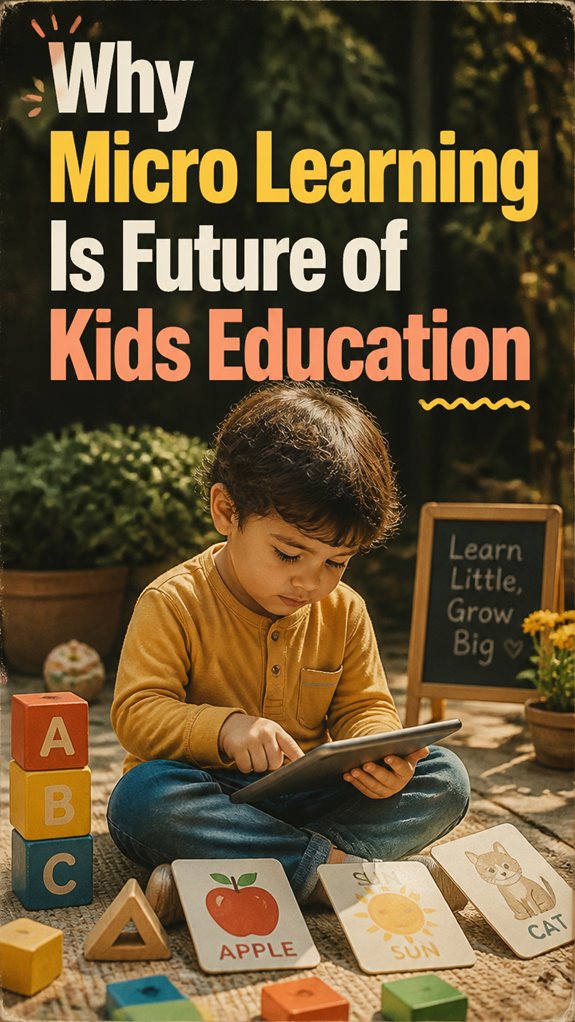
Have you ever wondered how children can keep up with a world that’s changing faster than ever? Microlearning offers a focused way to support this. It breaks learning into small, manageable pieces, making it easier for children to develop memory consolidation and cognitive flexibility.
These skills are vital in a world where information constantly shifts, and quick adaptation becomes a key capability. Instead of overwhelming your child with long lessons, microlearning helps them absorb and apply knowledge step-by-step, building confidence and independence. When children learn to share their ideas confidently, they reinforce their understanding and develop stronger communication skills alongside their technical knowledge.
It turns learning into a continuous process, reinforcing skills that last. This approach offers practical control for parents and helps children become adaptable, future-ready individuals, capable of steering through complexity with resilience and clarity.
How Microlearning Boosts Kids’ Retention and Engagement
Microlearning plays a significant role in helping children retain information and stay engaged over time. When lessons are broken into small, manageable pieces, it’s easier for kids to build memory retention.
Engagement strategies, like shifting focus to practical, bite-sized tasks, keep children attentive and motivated. Instead of overwhelming them with lengthy lessons, microlearning fosters a calm, confident learning environment, giving kids the chance to process ideas thoroughly.
This approach aligns with research from cognitive scientists who show that frequent, focused sessions enhance long-term retention. For parents, this means creating routines that prioritize short, deliberate learning moments.
Over time, these strategies foster a child’s ability to learn independently, adapt to new challenges, and develop skills that will serve them well in a world of constant change.
How Technology Personalizes Microlearning Experiences
Technology can act as a powerful partner in personalizing microlearning for each child, ensuring that lessons match their unique strengths, interests, and pace. This creates personalized pathways that adapt to their continually changing needs, making learning more relevant and effective. With adaptive feedback, children receive real-time guidance, helping them stay engaged and confident even when challenges arise. To maximize these benefits, parents should establish healthy screen time boundaries to prevent excessive device use that could undermine the positive effects of personalized learning.
Here are three ways this impacts your child’s future:
- Tailored Content: Learning adjusts to match their interests, fostering genuine curiosity.
- Flexible Pacing: They learn at their own speed, reducing frustration and building mastery.
- Continuous Support: Immediate feedback helps them correct mistakes and develop independence.
This approach shifts the focus from one-size-fits-all to systems-based development, giving your child long-term advantages in an unpredictable future.
Blended Learning: Combining Microlearning With Traditional Teaching
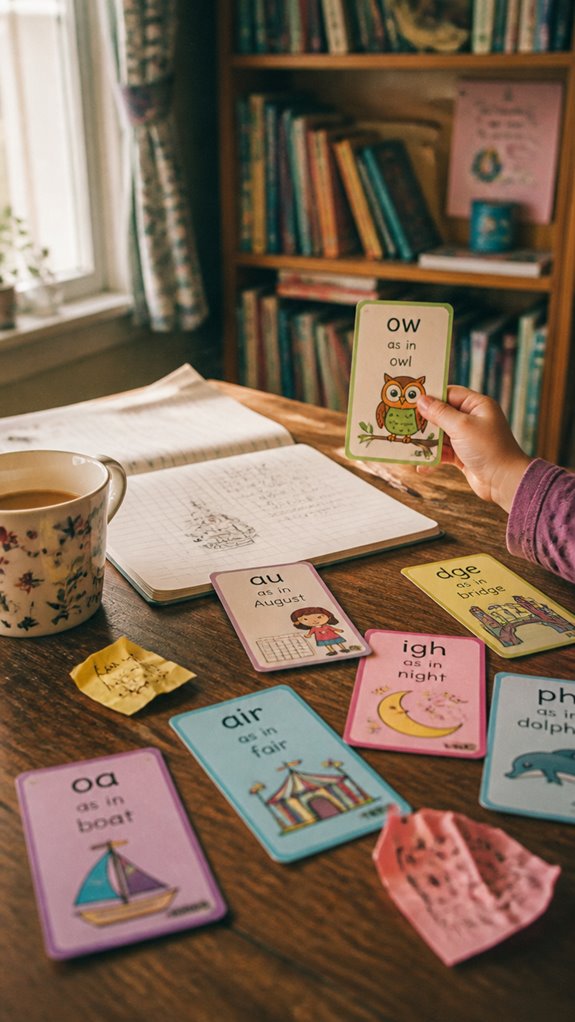
Blended learning combines the best of both worlds: traditional classroom teaching and modern microlearning techniques. It supports your child’s development of cognitive flexibility—the ability to switch between different ideas—and emotional resilience in uncertain situations. This approach helps children adapt to ongoing change, fostering confidence and independence. Understanding the right timing for skill specialization ensures that blended learning approaches complement rather than rush your child’s developmental readiness.
| Traditional Teaching | Microlearning | Benefits |
|---|---|---|
| Focus on foundational knowledge | Short, focused sessions | Enhances engagement and retention |
| Teacher-led instruction | Self-directed exploration | Builds problem-solving skills |
| Structured routines | Flexible, bite-sized units | Promotes cognitive agility |
Practical Tips for Parents and Teachers to Support Microlearning
Supporting your child’s microlearning journey might seem overwhelming at first, especially with so many new tools and methods emerging. But focusing on skill adaptation and your involvement provides a steady foundation. Here are some practical tips:
- Encourage autonomous exploration. Let your child choose topics that interest them, fostering curiosity and self-directed learning, which builds adaptability.
- Use everyday moments. Integrate microlearning into daily routines—discussions during chores or travel—making learning flexible and relevant.
- Stay involved proactively. Ask about their learning process, help them reflect on what they’re discovering, and support their growth without pressure.
This consistency boosts confidence and competence for the future.
Short Sessions Improve Retention
Have you ever wondered why sometimes a quick, focused session makes a bigger impact than a long, drawn-out lesson? Short sessions support memory consolidation by limiting cognitive load, helping children process and retain key information more effectively. When lessons are broken into 10- to 20-minute chunks using chunking strategies, kids can focus better, reducing mental fatigue. Research by Karpicke & Roediger shows that spaced retrieval practice during these micro sessions strengthens long-term memory and makes recall easier later. By combining micro learning with challenge-based strategies, students not only retain information better but also develop resilience as they encounter appropriately difficult material that promotes deeper learning.
| Short Sessions | Cognitive Benefits | Practical Tips |
|---|---|---|
| Limited to 10-20 min | Reduce overload | Use chunking strategies |
| Spaced over time | Improve retention | Include quick recall tasks |
| Support memory consolidation | Reinforce learning | Use targeted, frequent lessons |
Frequent Tech Distractions
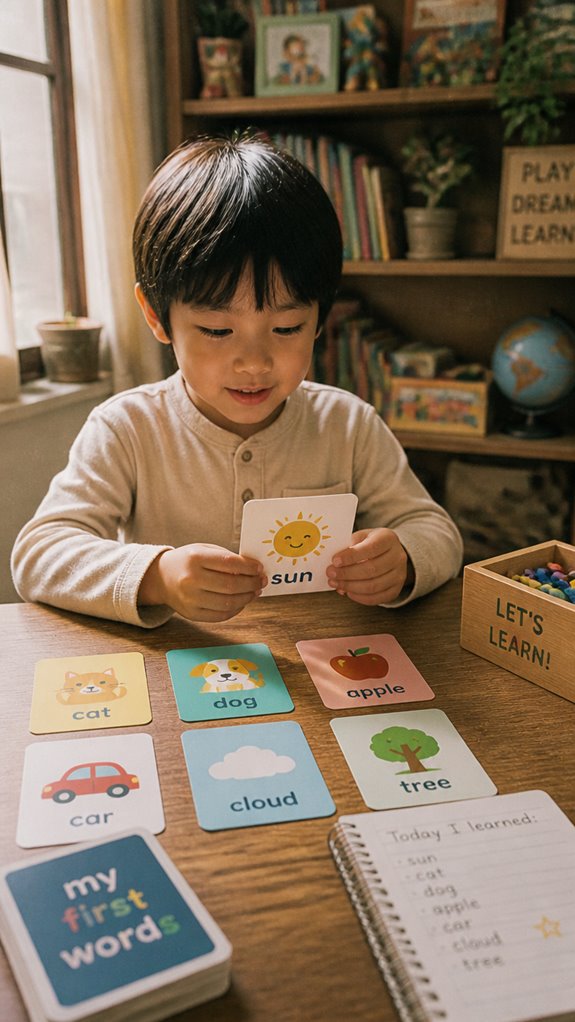
Frequent tech distractions are pervasive in children’s daily lives, and many parents worry about how these interruptions may affect learning and memory. However, instead of fearing these habits, you can develop a clear approach to digital hygiene and attention management.
- Establish routines that limit device use during study or playtime to reduce distraction spillover.
- Teach your child how to focus on one task at a time, reinforcing the importance of attention management.
- Encourage short, focused sessions—mirroring micro learning—to build consistent, distraction-free habits.
Research from Rutgers University and the Quebec Longitudinal Study shows that excessive screen time hampers memory and academic engagement.
| Curriculum Flexibility | Learning Resilience | Child’s Future Focused |
|---|---|---|
| In a world of constant change, it’s natural to feel anxious about how children will adapt and thrive. By embracing curriculum flexibility, you create space for your child to explore interests and adapt to new knowledge. This flexibility helps develop learning resilience—kids learn to bounce back from setbacks and stay engaged. Instead of rigid structures, focus on adaptable methods, like project-based learning or self-directed tasks. These foster independence and confidence, preparing them for unpredictable futures. Keep in mind, stability isn’t about fixed routines but about nurturing a mindset of growth. With a flexible approach, you give your child the tools to navigate uncertainty with calm confidence, turning challenges into opportunities for mastery. | ||
When selecting resources to support this flexible learning approach, parents should prioritize effective learning tools that adapt to their child’s pace and learning style.
The Adaptive Atlas Learning Stack Model
The Adaptive Atlas Learning Stack Model offers a fresh way to understand how children will learn in the future. It emphasizes Child Autonomy and builds Cognitive Resilience, which are essential for thriving amid constant change.
- The model focuses on developing children’s ability to handle uncertainty and failure, fostering resilience that keeps them engaged and adaptable.
- It encourages self-directed learning, empowering children to acquire skills independently and adapt to fast-changing environments.
- It emphasizes using AI as a cognitive partner, helping children amplify their thinking without dependency, ensuring long-term capability.
- By personalizing the learning experience through adaptive learning pathways, the model ensures each child progresses at their own pace while building the skills they need most.
This approach shifts the focus from fixed knowledge to adaptable skills. Instead of fearing the future’s unpredictability, you can see it as an opportunity to nurture resilience, independence, and confidence—traits that prepare your child for lifelong learning and success.
The Adaptive Atlas Framework
Five connected systems designed to help parents raise adaptable, future-ready children in a world shaped by AI, automation, and constant change.
| 🛡️ |
Anti-Fragile Child SystemBuilds resilience, adaptability, and the ability to handle uncertainty without shutting down. |
| 📚 |
Learning Stack ModelDevelops self-directed learning habits and continuous skill acquisition beyond school systems. |
| 🚀 |
Future Skill Stack SystemFocuses on high-value human skills that remain relevant in an AI-driven economy. |
| 🤖 |
AI Learning SystemTeaches children how to use AI as a thinking partner instead of becoming dependent on it. |
| 🧭 |
Child Type Navigator SystemPersonalizes learning and development based on each child’s strengths and personality. |
FAQ
How Can Parents Ensure Microlearning Remains Engaging Without Technology Fatigue?
To guarantee microlearning stays engaging, incorporate hands-on activities and outdoor learning, stimulating curiosity and offering physical variety. Limit technology use, foster real-world exploration, and personalize content to match your child’s interests for sustained mastery.
What Are Some Common Challenges Teachers Face When Implementing Microlearning Strategies?
Research shows microlearning boosts lesson retention by up to 50%. You may struggle with maintaining student engagement strategies, ensuring content remains concise and interactive, and balancing personalization with diverse learning styles for mastery in implementing microlearning.
How Does Microlearning Support Children With Different Learning Styles?
You enable children to thrive by incorporating a multisensory approach and personalized pace, allowing each child’s unique learning style to be addressed effectively. This cultivates mastery through active engagement and tailored, adaptable learning experiences.
Can Microlearning Replace Traditional Classroom Education Entirely?
Microlearning isn’t likely to fully eclipse traditional methods, but it’s a catalyst in the learning evolution, sharpening independence, adaptability, and mastery. You’ll find it more flexible, aimed at cultivating skills essential for a rapidly changing world.
What Metrics Best Measure a Child’s Progress With Microlearning Methods?
You should focus on assessment strategies that evaluate skill development, such as progress-based tasks, self-reflections, and real-world application, ensuring measurements align with mastery of capabilities like critical thinking, adaptability, and problem-solving within microlearning environments.
References
- https://www.k12digest.com/bite-size-learning-big-results-why-microlearning-is-the-future-of-education/
- https://www.bgsvijnatham.com/blog/micro-learning–the-future-of-bite-sized-education
- https://www.acadecap.org/how-micro-schools-are-shaping-the-future-of-education/
- https://elearningindustry.com/how-microlearning-is-changing-the-way-we-learn-all-you-need-to-know
- https://internationalschooling.org/blog/surprising-benefits-of-microlearning-for-students
- https://oxfordlearning.com/the-power-of-microlearning/
- https://www.nextgenlearning.org/articles/microschools-why-families-choose-new-learning-models
- https://www.gcu.edu/blog/teaching-school-administration/what-is-microlearning
- https://www.future-ed.org/skill-building-the-emerging-micro-credential-movement-in-k-12-education/
- https://www.instrucko.com/blogs/what-is-the-ideal-attention-span-for-kids-and-why-are-shorter-classes-more-effective