Is Traditional School the Only Path to Success?
Not anymore. Alternative education reimagines learning through personalization, hands-on projects, and critical thinking—equipping kids with adaptability in our unpredictable world.
Why We Created Adaptive Atlas
My daughter sat in a classroom chair for six hours, absorbing information she’d forget by Friday. That’s when I discovered something unexpected: she thrived during our weekend projects. She built, questioned, experimented. That’s when real learning happened. We created Adaptive Atlas because too many kids languish in one-size-fits-all systems. Researcher Sugata Mitra’s work on self-organized learning environments showed students taught themselves complex concepts when given freedom and curiosity. We wanted families to access that possibility.
The Moment Everything Shifted
During a family road trip, my son navigated us using only a map and critical observation. No GPS. He calculated distances, estimated time, solved problems independently. That single afternoon revealed more about his capabilities than standardized tests ever did. He wasn’t just consuming information. He was thinking.
Quick Takeaways
- Alternative education emphasizes personalized, experiential learning and student autonomy over fixed curricula and traditional classroom structures.
- It promotes creative exploration and self-expression, aligning with individual strengths and long-term skill development.
- Focuses on developing adaptability, resilience, and critical thinking to prepare children for AI-driven, constantly changing futures.
- Systems incorporate flexibility, systemic supports, and targeted interventions to meet diverse behavioral and learning needs.
- It encourages collaboration, real-world problem-solving, and innovative use of AI tools to foster lifelong learning and problem-solving skills.
What Is Alternative Education: And Why Does It Matter?
Alternative education is a way of learning that focuses on preparing children for a future of constant change, not just fitting into today’s standards. Unlike the traditional curriculum, which relies on fixed content and rigid classroom structures, alternative approaches adapt to your child’s unique needs.
Today’s classroom structures are shifting away from one-size-fits-all models towards more flexible, personalized learning environments. This change isn’t about dismissing traditional methods but about understanding that a fixed curriculum mightn’t develop the essential skills needed for tomorrow.
Instead, you can build systems that emphasize adaptability, critical thinking, and lifelong learning. By shifting focus from memorization to capacity-building, you empower your child to thrive amidst continuous change and uncertainty. Research shows that project learning significantly enhances student engagement and practical skill development compared to conventional lecture-based approaches.
Exploring Types of Alternative Schools That Support Different Learners
As a parent, you might worry that traditional schools can’t fully support your child’s unique learning needs or prepare them for a future of constant change. That’s a common concern, but alternative schools offer solutions grounded in creative curriculum and student autonomy.
These schools focus on personalized learning experiences that adapt to each child’s strengths and interests. Instead of a one-size-fits-all approach, children actively participate in shaping their education, building confidence and independence.
Such environments encourage curiosity, problem-solving, and critical thinking—skills crucial for steering an uncertain, rapidly developing world. When evaluating learning options, consider how each alternative school’s philosophy aligns with your child’s needs and your family’s values. By choosing an alternative school with a flexible, system-oriented approach, you help your child develop long-term capability and resilience.
This sets a solid foundation for lifelong learning and adaptability.
How Alternative Education Prepares Kids for the Future in the AI Era
In a world where AI is becoming an everyday tool, it’s natural to wonder how to prepare children for what’s next. You might worry about whether they’ll keep up or stay relevant. Understanding parental concerns about AI can help frame why alternative education matters now more than ever.
Alternative education offers a clear path forward. It emphasizes personalized mastery—focusing on each child’s unique strengths—and experiential learning, which develops real-world skills through hands-on projects.
This approach helps children become adaptable, critical thinkers who can learn continuously. Instead of memorizing facts, they learn how to navigate change.
By cultivating resilience, creativity, and the ability to use AI tools wisely, your child gains the confidence and competence to thrive.
This system isn’t about predicting the future but building the foundational skills that enable your child to grow with it.
How to Find the Right Alternative School for Your Child
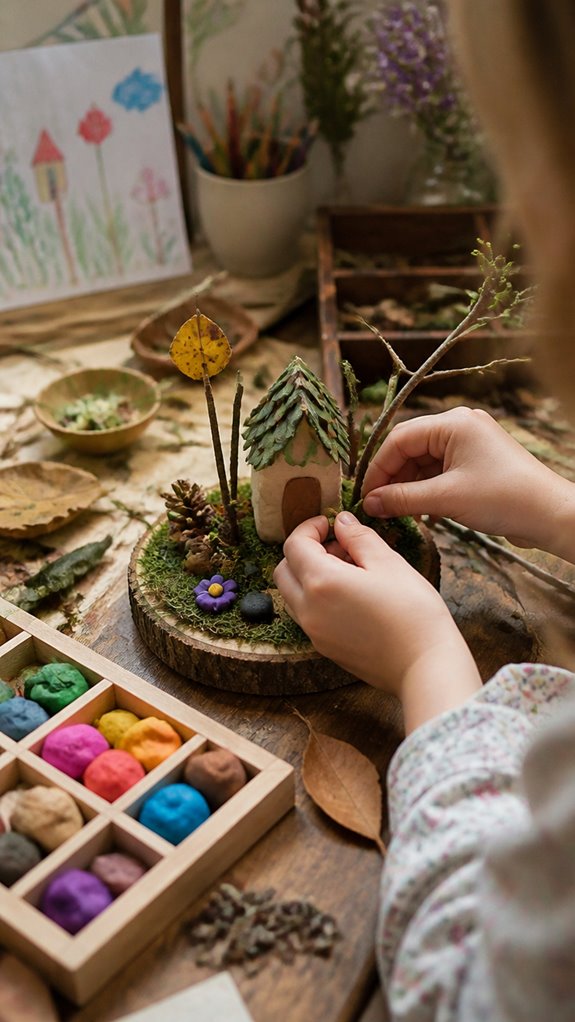
Choosing the right alternative school for your child can feel overwhelming, especially with so many options and claims. But focus on what truly prepares your child for the future: experiential learning and creative expression.
Look for schools that emphasize hands-on projects, real-world problems, and collaborative work. These methods develop adaptable skills like critical thinking, problem-solving, and independence—key in today’s fast-changing world.
Seek schools that focus on practical projects and teamwork to build essential skills for a dynamic future.
*Guarantee* the school nurtures creativity, allowing your child to explore their interests and express themselves fully. *Recall*, the best fit aligns with your child’s unique strengths and learning style.
Avoid getting caught up in hype—move toward systems that prioritize long-term capability building. Trust your judgment and focus on environments that foster resilience and versatile skills essential for tomorrow’s challenges.
Teen Entrepreneurship Rates Increased 30%
Teen entrepreneurship has grown markedly in recent years, with a 30% increase reflecting a broader shift in how young people view their future careers. Today’s teens are developing an entrepreneurship mindset that encourages innovation and self-reliance. They’re motivated by more than money—many want to make a difference and shape their world. However, funding challenges remain a concern, especially for younger entrepreneurs lacking experience or resources. Still, this doesn’t have to be a barrier. The focus should be on building capability and resilience, not just access to capital. Research from Junior Achievement and EY underscores a significant rise in teenage entrepreneurs, emphasizing the importance of nurturing their ambitions. Encouraging an entrepreneurial mindset involves fostering problem-solving skills, adaptability, and confidence. As parents and educators, you can help children see opportunities for creative exploration, emphasizing that setbacks are part of growth, not obstacles. Understanding online consequences helps young entrepreneurs make informed decisions when launching digital ventures or marketing their businesses online. This long-term approach empowers children to navigate uncertainty and build future-ready skills.
Adaptive Challenges Require Flexibility
Adaptive challenges in education require a flexible approach because no single solution fits every child or situation. You might worry about staffing or behavioral issues, but flexibility is key.
Envision a system where:
- Staffing Flexibility: Teachers adapt quickly, using universal supports like PBIS, reducing training time, and managing high turnover effectively. Implementing a schoolwide system based on PBIS can streamline behavior management and improve staff capacity. Implementation of schoolwide PBIS supports
- Behavioral Adaptations: Staff address behavioral needs with differentiated, explicit teaching, reinforcing skills daily instead of reacting to crises.
- Student Diversity: Each child’s unique needs are met through targeted support—whether social-emotional, academic, or behavioral—ensuring every student stays engaged. Building strong professional networks and partnerships helps educators access resources and best practices to better support diverse learners.
This approach creates a stable, predictable environment amid chaos, giving your child the tools to build resilience and adapt for a successful future.
Consistent systems reduce fears and foster confidence in long-term growth.
Alternative Education Guide for Parents
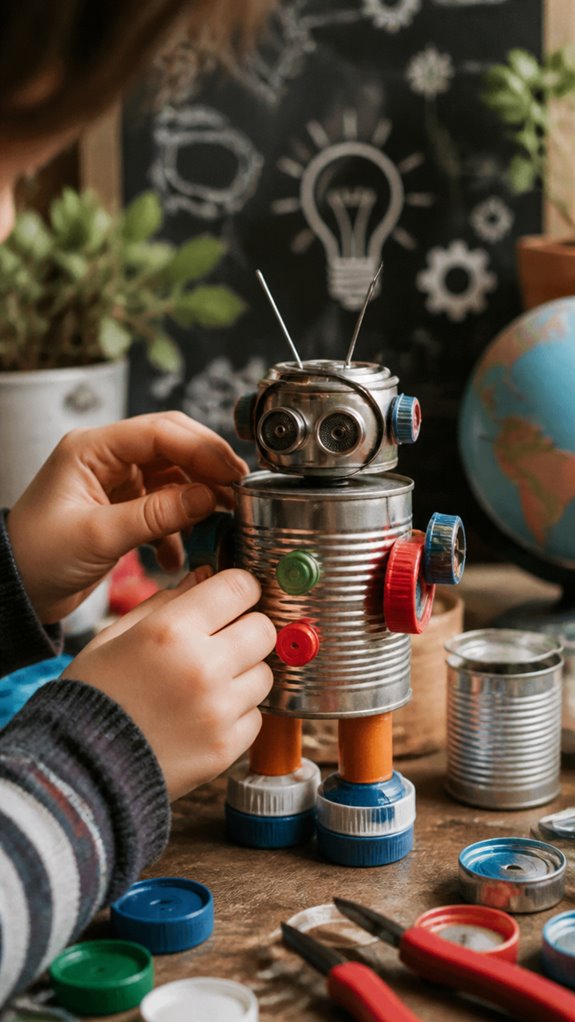
As a parent, it’s natural to worry about preparing your child for a future that’s unpredictable and constantly changing. You might fear traditional notions of education no longer fit these needs, but don’t worry—there are promising alternatives.
Pedagogical innovations focus on building adaptable skills rather than rote memorization. They’re designed to foster resilience, critical thinking, and problem-solving—traits that research from organizations like the OECD highlights as *essential* for future success. The rise of unschooling approaches represents a significant shift in how educators are responding to the challenges posed by rapid technological change and artificial intelligence integration into society.
Instead of sticking to outdated models, you can choose systems that prioritize long-term capabilities. These approaches emphasize continuous learning, flexibility, and real-world relevance.
The Adaptive Atlas Learning Stack Model
The way children learn is changing, and understanding this shift is key for guiding their development in a world that’s constantly developing. The Adaptive Atlas Learning Stack Model offers a clear path forward. It emphasizes personalized pathways, where each child’s unique strengths shape their learning journey.
Think of it as three layers of mastery:
- Building learning agility — enabling kids to adapt quickly to change, handle setbacks, and stay engaged.
- Fostering self-directed learning — encouraging curiosity and independence so they can acquire new skills continuously.
- Using AI as a tool — helping children amplify their thinking without dependency, turning technology into a learning partner.
Research shows that effective home learning tools can significantly enhance these three layers by providing structured resources that reinforce personalized learning pathways. This approach empowers you to support skills that last, giving your child confidence for the future’s unpredictability.
The Adaptive Atlas Framework
Five connected systems designed to help parents raise adaptable, future-ready children in a world shaped by AI, automation, and constant change.
| 🛡️ |
Anti-Fragile Child SystemBuilds resilience, adaptability, and the ability to handle uncertainty without shutting down. |
| 📚 |
Learning Stack ModelDevelops self-directed learning habits and continuous skill acquisition beyond school systems. |
| 🚀 |
Future Skill Stack SystemFocuses on high-value human skills that remain relevant in an AI-driven economy. |
| 🤖 |
AI Learning SystemTeaches children how to use AI as a thinking partner instead of becoming dependent on it. |
| 🧭 |
Child Type Navigator SystemPersonalizes learning and development based on each child’s strengths and personality. |
FAQ
How Do Alternative Schools Support Children With Special Learning Needs?
You support children with special needs by providing a specialized curriculum, tailored to their unique challenges, and developing individualized plans that adapt learning strategies, fostering growth, confidence, and mastery through personalized, flexible approaches.
What Are the Long-Term Outcomes for Students in Alternative Education?
You’ll find students in alternative education mastering personalized learning, developing resilience and adaptability over time. Community involvement enhances collaboration and real-world skills, ensuring they emerge prepared for continuous change and capable of shaping their futures with confidence.
How Do Alternative Schools Measure Student Progress Without Traditional Grading?
Ever wonder how alternative schools measure progress? They prioritize grading transparency through detailed progress portfolios and ongoing assessments, allowing you to see mastery over skills without relying solely on traditional grades, fostering deeper understanding and continuous growth.
Can Children Transition Back to Traditional Schools After Alternative Education?
You can shift your child back to traditional schools by leveraging homeschool flexibility and showcasing mastery in core skills. Highlight their adaptability and project-based learning experiences, and consider magnet programs that value diverse educational backgrounds and foster seamless integration.
What Role Do Parents Play in Supporting Alternative Learning Methods?
You actively shape your child’s success by fostering parental involvement and providing consistent home support, ensuring they develop adaptability, critical thinking, and AI fluency—key skills for thriving in a world of continuous change.
References
- https://renegadeeducator.com/11-alternative-schools-you-didnt-know-about/
- https://www.fusionacademy.com/resources/alternative-schools/
- https://www.thethinkacademy.com/blog/edubriefs-alternative-education-for-children-helping-kids-overcome-school-trauma/
- https://kids.britannica.com/students/article/alternative-school/272823
- https://www.alternativesforchildren.org
- https://www.michiganallianceforfamilies.org/alternative-schools/
- https://public-edsight.ct.gov/overview/find-schools/find-school-district/alternative-schools-and-programs
- https://www.dpi.nc.gov/students-families/enhanced-opportunities/alternative-learning-programs
- https://prforpeople.com/tech-science/news/startups/teen-entrepreneurs-are-growing-numbers
- https://jausa.ja.org/news/press-releases/national-entrepreneurship-month-research-shows-41-percent-of-teens-would-consider-starting-a-business-as-career-option