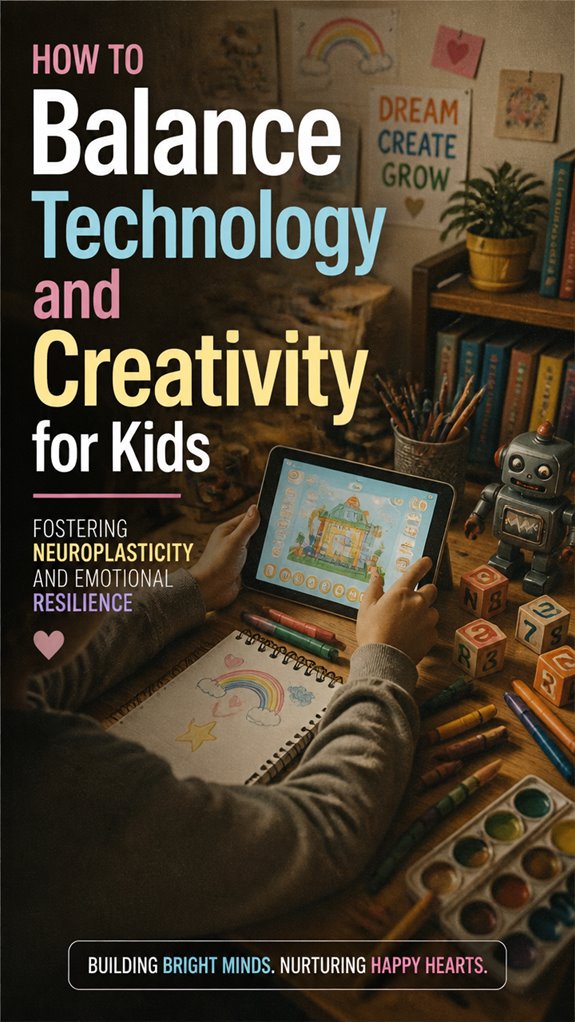
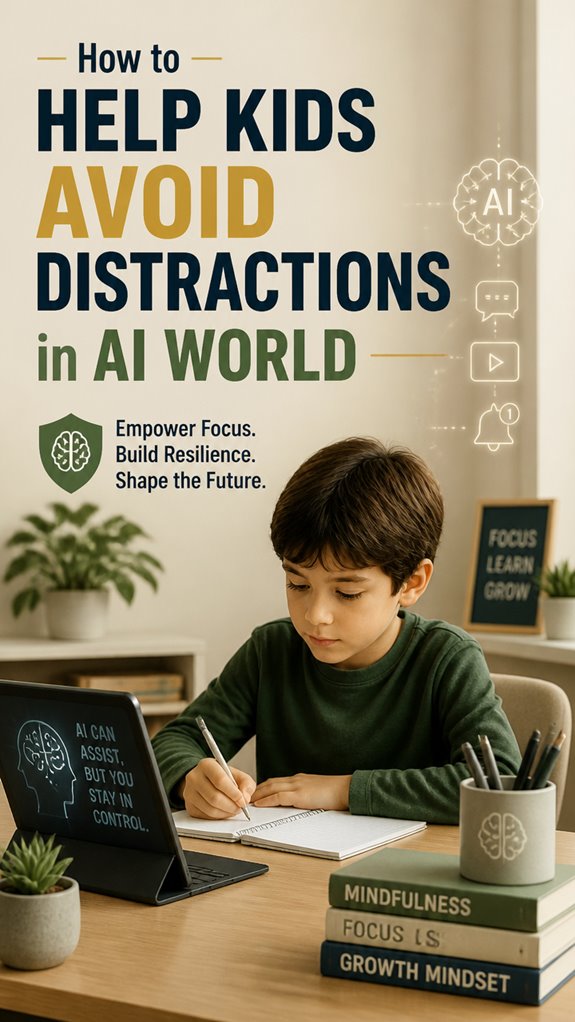
How Can Kids Stay Focused When AI Distracts Them Constantly?
Kids need routines that protect deep focus. Screen boundaries matter. Guide curiosity toward puzzles and storytelling instead of endless scrolling. Movement and offline play build self-control. View AI as a learning partner, not an enemy, so children develop confidence for tomorrow’s world.
Why We Created Adaptive Atlas
Last summer, my daughter sat scrolling through AI-generated content for three hours straight. I watched her brilliance drain into a black hole of recommendations. That moment sparked something. We built Adaptive Atlas because kids deserve tools that teach, not just distract. This resource helps parents create environments where technology serves curiosity rather than hijacks it.
A Real Shift in My Home
My son struggled with focus until we implemented tech-free mornings. He started building elaborate Lego structures and writing stories. Within weeks, his attention span doubled. He now asks to limit his screen time instead of fighting it. That transformation proved routines work when you commit to them deliberately.
Quick Takeaways
- Set clear screen time limits and designated tech-free zones to minimize distractions.
- Encourage mindful device use with regular breaks and reflection on digital habits.
- Support activities that promote deep focus, like puzzles, storytelling, and open-ended questions.
- Foster curiosity and natural interests to keep children engaged beyond digital distractions.
- Teach self-control and emotional resilience to help children manage impulses and stay attentive.
How Does AI Affect Kids’ Attention and Focus?
Have you ever wondered how AI influences your child’s ability to pay attention? Today’s digital world encourages constant digital multitasking—scrolling, switching screens, juggling apps—all in rapid succession.
This pattern can shrink your child’s attention span, making it harder for them to focus deeply on one task. Instead of training patience, this environment fosters quick flickers of interest, which can lead to shallow learning.
But this isn’t all doom and gloom. By understanding these patterns, you can create systems that rebuild their focus—like setting intentional boundaries and engaging in activities that develop sustained attention. Teaching children safe digital behavior helps them navigate these distractions while protecting their wellbeing online.
The goal isn’t to control every moment but to help your child develop adaptable attention skills that support their long-term growth in a fast-changing world.
What Are Healthy Tech Habits to Reduce Distractions?
Many parents worry that technology might be hijacking their kids’ attention and productivity. To help, focus on establishing healthy tech habits grounded in digital boundaries. Set clear limits on screen time and create tech-free zones to give children space to focus and recharge.
These boundaries teach children self-control and help develop emotional resilience—important skills for handling frustration and distraction. Instead of trying to eliminate tech, guide kids toward intentional use. Encourage regular breaks and reflection on their digital habits, fostering awareness and autonomy.
This approach shifts control from technology to your child, empowering them to manage their attention and build resilience. In the long run, these habits support their ability to adapt, learn continuously, and navigate a world filled with constant change.
How Can Parents Safely Explore AI Tools With Kids?
Exploring AI tools with kids might feel overwhelming at first, but approaching it with a calm, structured plan helps turn uncertainty into opportunity.
Focus on creative exploration—encourage your child to ask questions, experiment, and envision new possibilities. Establish clear risk management boundaries to keep the experience safe and grounded. This isn’t about controlling every step but about guiding exploration thoughtfully. Starting with calm discussions about AI fears can help address any anxieties before diving into hands-on exploration.
When children see AI as a partner for learning and inventing, they gain confidence and curiosity. Recall, it’s about building their ability to navigate complexity and change, not just mastering tools.
How to Incorporate Physical Activity and Mindfulness Into Routines

A balanced routine that includes physical activity and mindfulness can lay a strong foundation for your child’s ability to stay focused and adaptable in an unpredictable world. Incorporate mindful movement and active attention to help children connect with their bodies and mind.
Regularly:
- Encourage outdoor play that combines movement with nature awareness
- Practice simple breathing exercises during breaks
- Introduce short meditation sessions focusing on senses
- Incorporate stretching and yoga into daily routines
- Use activities like dance or martial arts to promote active attention and body awareness
These practices foster resilience, reduce stress, and teach children to reconnect intentionally with their bodies and environment. When children learn to integrate physical activity with mindfulness, they develop skills to maintain focus naturally—supporting their long-term capacity to navigate change confidently. Mastering these foundational practices equips children with critical thinking abilities essential for thriving as they engage with AI and emerging technologies throughout their lives.
Supporting Children’s Focus and Brain Skills at Home and School
Supporting your child’s focus and brain skills at home and school is about creating consistent, intentional environments where attention can grow naturally. Encourage mindful tech habits, guiding children to use devices thoughtfully rather than impulsively. This builds their brain resilience, helping them handle distraction and frustration without shutting down.
Focus on routines that promote steady, deep engagement rather than constant stimulation. It’s not about eliminating technology but teaching kids to manage it skillfully. When children learn to regulate their attention, they build the capacity to prioritize, think critically, and adapt — essential skills for an uncertain future. Teaching kids to express ideas confidently helps them communicate their thoughts clearly, even when facing distractions or pressure.
It’s okay to feel overwhelmed, but steady, deliberate systems foster confidence, ensuring kids develop focus and resilience that last. These habits set the foundation for lifelong learning and adaptability.
Distraction Control System for Kids
Have you ever wondered why kids today seem more easily distracted than previous generations? Virtual distraction is everywhere, making it harder for children to stay focused.
To help, teach tech mindfulness—being intentional with device use and awareness of digital triggers. Understanding how the attention economy operates can help parents recognize why their children are particularly vulnerable to these digital distractions.
Create routines that build awareness, set clear boundaries around screens, and incorporate moments of silence or reflection.
Consider these strategies:
- Limit nonstop notifications and pop-ups
- Encourage mindful device breaks
- Use tools that block distracting apps during focus time
- Foster habits of deep concentration through deliberate practice
- Reinforce the importance of self-regulation as a core life skill
Neuroscientific Focus Regulation Studies

Understanding how the brain regulates focus can help you support your child’s ability to stay engaged amid constant distractions. Neuroscientific regulation addresses how neural engagement shifts in response to different cues, shaping attention and impulse control. Research shows that the prefrontal cortex, responsible for self-regulation, strengthens with consistent attention training, even in children. Techniques like mindfulness and targeted exercises boost neural pathways, reducing emotional and cognitive fatigue. Studies also reveal that children who develop better self-regulation activate their prefrontal regions more effectively, helping them resist tempting distractions. This isn’t about removing all interruptions but about building resilience and mental flexibility. Developing long-term thinking skills early helps children prioritize meaningful goals over immediate distractions, supporting sustained focus throughout their lives. Neural responses to goal pursuit can vary based on individual differences, influencing how well children can focus and adapt to challenges.
Strategies for Maintaining Engagement
In today’s fast-changing world, keeping your child engaged can feel like an ongoing challenge, especially with constant distractions from screens and endless information.
To build their future resilience, focus on maintaining their attention and reducing fragmentation. Encourage routines that promote deep focus, such as setting specific times for play and learning.
Foster activities that develop patience and persistence, like puzzles or storytelling.
Minimize multitasking, which worsens attention fragmentation, and instead, emphasize single-task focus. Research shows that physical activity and movement are essential counterbalances to screen time, helping children maintain both mental clarity and physical health.
Support your child’s natural curiosity by asking open-ended questions, helping them stay engaged without feeling pressured.
These strategies nurture cognitive resilience, enabling your child to navigate complexity confidently and stay connected to their growth path amidst distractions.
The Adaptive Atlas Anti-Fragile Child System
Children today face more uncertainty than ever, and their ability to handle this volatility starts with resilience.
You can help your child develop emotional resilience and cognitive flexibility—key skills for the future. Instead of protecting them from every challenge, encourage them to stay engaged through difficulties. This builds their capacity to stay calm under pressure and recover from setbacks, creating a stronger sense of control. The anti-fragile child system provides a structured framework for systematically building these foundational capacities.
Keep in mind, resilience isn’t about avoiding failure; it’s about learning to grow through it. By fostering these traits consciously, you give them the tools to adapt quickly, think independently, and navigate a constantly changing world.
This approach isn’t just about managing distractions—it’s about preparing your child for a future where flexibility and strength are their greatest assets.
The Full Adaptive Atlas Framework
The Full Adaptive Atlas Framework offers a clear map for raising future-ready kids in a world of constant change. It emphasizes developing digital resilience and cognitive independence, so children can navigate complexity confidently.
Instead of fixing on specific careers, you focus on building adaptable skills and flexible identities.
- Foster anti-fragility, so kids grow stronger through challenge.
- Promote self-directed learning, making knowledge a continuous process.
- Focus on high-value skills like critical thinking and creativity.
- Teach kids to use AI as a partner, not a crutch.
- Personalize growth to each child’s strengths and tendencies.
This framework shifts your approach from reaction to action, giving your child the tools to stay focused and independent amid endless distractions. It’s about building long-term capabilities that will serve them in an uncertain future.
The Adaptive Atlas Framework
Five connected systems designed to help parents raise adaptable, future-ready children in a world shaped by AI, automation, and constant change.
| 🛡️ |
Anti-Fragile Child SystemBuilds resilience, adaptability, and the ability to handle uncertainty without shutting down. |
| 📚 |
Learning Stack ModelDevelops self-directed learning habits and continuous skill acquisition beyond school systems. |
| 🚀 |
Future Skill Stack SystemFocuses on high-value human skills that remain relevant in an AI-driven economy. |
| 🤖 |
AI Learning SystemTeaches children how to use AI as a thinking partner instead of becoming dependent on it. |
| 🧭 |
Child Type Navigator SystemPersonalizes learning and development based on each child’s strengths and personality. |
FAQ
How Can Parents Measure Their Child’s Digital Resilience and Adaptability?
You can measure your child’s digital resilience and adaptability by evaluating their digital literacy and resilience-building skills, observing how they navigate uncertainty, learn independently, and utilize AI tools effectively—fostering liberation through continuous growth and capability.
What Are Effective Ways to Teach Kids About Ai’s Biases and Limitations?
You can captivate your child’s curiosity about AI fairness by exploring real-world examples together, encouraging critical questions, and fostering digital literacy. This approach releases their liberation from AI biases, empowering them to see beyond the algorithms.
How Do Cultural Differences Influence Distraction Management Strategies?
Cultural perceptions shape your parenting approaches, influencing how you set boundaries and manage distractions. Embrace diverse strategies that honor cultural values, empowering your child to navigate an AI-rich environment freely and confidently, embracing their unique path.
What Role Do Peer Influences Play in Children’s AI Tool Usage?
Peer pressure and social influence shape your child’s AI tool usage, encouraging conformity or experimentation. To foster liberation, guide them to choose tools aligned with their values, develop independent judgment, and resist undue influence, harnessing social power for positive growth.
How Can Educators Integrate AI Awareness Into Broader Life Skills Curricula?
You can integrate AI literacy and digital mindfulness into broader curricula by fostering critical thinking, emphasizing responsible AI use, and encouraging reflective tech habits. This approach liberates students to navigate AI confidently and ethically in everyday life.
References
- https://oxfordlearning.com/9-ways-to-help-kids-navigate-the-world-of-ai/
- https://www.theexploreracademy.com/blogs/teaching-kids-safe-technology-habits-in-the-age-of-ai
- https://riseandshine.childrensnational.org/helping-kids-navigate-ai-safely/
- https://www.brookings.edu/articles/tips-for-parents-raising-resilient-learners-in-an-ai-world/
- https://brilliantstarmagazine.org/parents-teachers/teaching-tools-techniques/lesson-/helping-kids-navigate-the-world-of-artificial-intelligence
- https://truthforteachers.com/truth-for-teachers-podcast/stay-human-teaching-students-to-protect-their-brain-power-in-an-ai-world/
- https://mountainlaurel.org/future-proofing-your-child-for-an-ai-world/
- https://prizmah.org/hayidion/ai-and-tech/how-avoid-digital-distractions-classroom-and-deliver-high-impact-teaching
- https://pmc.ncbi.nlm.nih.gov/articles/PMC5662473/
- https://lovebrain.com/studies/enhancing-focus-and-concentration-cognitive-training-as-a-pathway-to-sustained-attention-and-productivity