How Can Parents Help Kids Resist Peer Pressure?
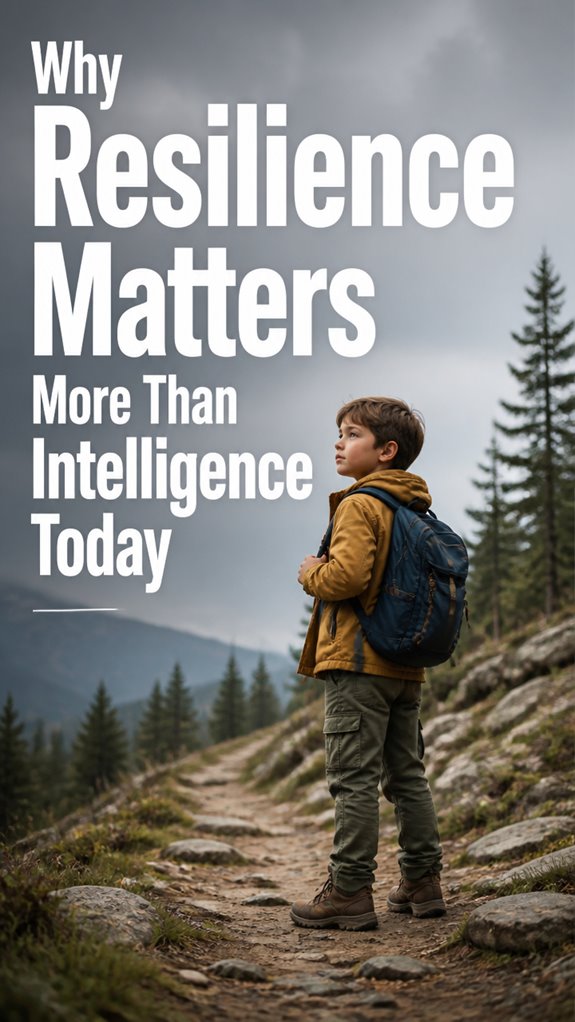
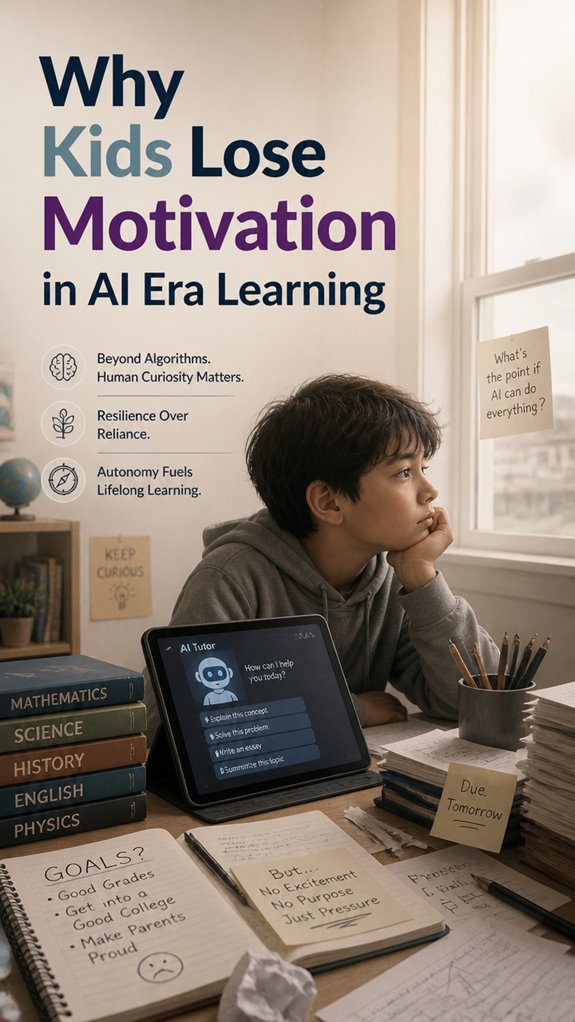
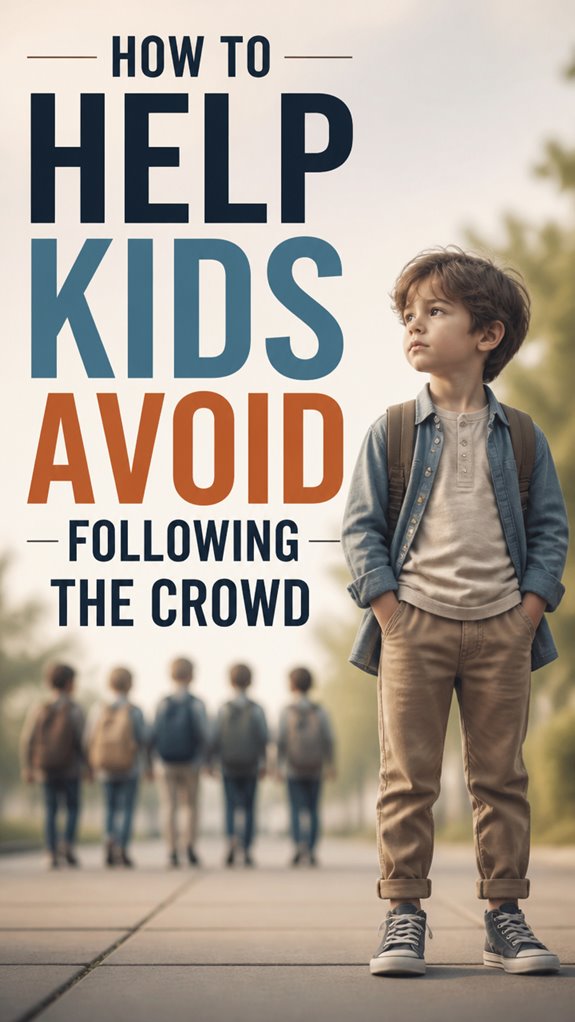
Build self-awareness and confidence so children trust their instincts. Develop individuality through supportive routines, celebrate strengths, and use role-playing exercises. Foster emotional resilience and critical thinking. These skills help kids navigate social influences while staying authentic.
Why We Created Adaptive Atlas
My daughter came home crying because she’d worn mismatched socks to school. The other kids noticed. Instead of lecturing about individuality, I sat with her and asked what she actually thought about her socks. “I like them,” she shrugged. That moment taught me something crucial: kids don’t need more rules about being themselves. They need permission to like what they like, even when it’s weird.
That’s why we write Adaptive Atlas. Real families need real strategies for raising independent thinkers in a conformity machine called adolescence.
When Independent Thinking Actually Sticks
Last spring, my son turned down an invitation to a party because the activity didn’t appeal to him. His friends gave him grief for weeks. But he didn’t crack. He’d built enough internal compass that external pressure bounced right off. That’s the actual win: not avoiding crowds entirely, but choosing your own path without guilt.
Quick Takeaways
- Foster self-awareness and trust in their inner voice to help children make independent decisions.
- Encourage celebrating individuality and strengths, reinforcing confidence in their unique talents.
- Use role-playing and critical thinking exercises to practice resisting peer pressure safely.
- Promote emotional resilience and mindfulness to manage social stressors confidently.
- Support routines and values that prioritize authenticity and personal growth over conformity.
Help Kids Trust Their Gut Feelings and Make Safe Decisions
Helping kids trust their gut feelings is about teaching them to listen to their instincts and make safe choices, even when faced with uncertainty or peer pressure. Intuitive judgment is an essential skill that strengthens their ability to set personal boundaries and stay aligned with what truly matters.
When children learn to rely on their inner voice, they develop confidence in steering complex social situations. This isn’t about dismissing guidance but about cultivating self-awareness and agency—core for long-term resilience. By encouraging creative self-expression, we help kids discover their unique strengths and build the confidence needed to make independent decisions that align with their authentic interests.
Create a Family Culture That Celebrates Individuality and Strengths
Creating a family culture that celebrates each child’s unique strengths might seem challenging in a world that emphasizes conformity, but it’s one of the most effective ways to build resilience and adaptability. When you focus on strengths recognition and creativity cultivation, your child learns to value what makes them uniquely capable. By consistently noticing and encouraging their talents, you reinforce their confidence to stand apart and trust their judgment. Research shows that AI-enhanced writing tools can help children develop their creative expression while maintaining their authentic voice. Here’s a simple way to see this in action:
| Values | Actions | Outcomes |
|---|---|---|
| Strengths recognition | Highlight specific talents | Boosts confidence and independence |
| Creativity cultivation | Encourage new ideas | Fosters adaptability |
| Acceptance of individuality | Celebrate differences | Builds resilience |
This approach creates a foundation for your child’s long-term ability to navigate change confidently.
Use Role-Playing to Build Young Kids’ Confidence in Decision-Making
Have you ever wondered how young children can become more confident in their decision-making? Using role-playing with imaginative scenarios is a practical way to boost their confidence.
When you create safe, playful situations where kids make choices—like pretending to shop or solve a problem—they practice thinking independently. This confidence boosting approach helps them learn that their decisions matter, even in small ways.
By stepping into different roles, children see that their judgment is valuable and that mistakes are part of growth. Over time, they develop a stronger sense of agency, which supports their ability to stand apart from peer pressure.
Research shows that independent thinking skills are essential for children to resist conformity and make choices aligned with their values. This system builds future-ready skills, encouraging kids to trust their judgment and embrace their individuality.
Anti Conformity Guide for Kids
Encouraging kids to think independently means teaching them to stand by their own judgment, even when it goes against peer influence or cultural norms.
Many children feel pressured to conform because they fear rejection or are unsure of themselves. But in the long run, independence builds resilience and authentic self-trust.
Instead of trying to eliminate peer influence, help your child understand it as a pattern to observe, not follow blindly. Show them that cultural norms are simply collective habits, not absolute rules.
Empower them to question, reflect, and choose what feels right—these habits shape a future where they can adapt and thrive. Confidence in their own judgment is the foundation for steering through change and building a meaningful, self-directed life. Teaching children about independent decision-making gives them the tools to resist peer pressure and develop their authentic voice.
Behavioral Resilience Research
Research into behavioral resilience shows us how children develop the ability to bounce back from stress and setbacks. This resilience hinges on key factors like cognitive flexibility—adapting thoughts and strategies—and physiological resilience, which helps regulate emotions under pressure. Children with high resilience can handle uncertainty better, staying grounded despite external chaos. When children develop a value mindset rather than fixating on external outcomes, they build stronger intrinsic motivation to navigate peer pressure independently. Here’s a simple view:
| Resilience Factor | Key Approach | Future Benefit |
|---|---|---|
| Cognitive Flexibility | Challenge negative thoughts | Better decision-making |
| Physiological Resilience | Practice calm breathing techniques | Stress regulation |
| Emotional Strength | Mindfulness and emotional awareness | Enhanced self-control |
| Problem-Solving Skills | Encourage active coping strategies | Long-term adaptability |
| Self-Efficacy | Celebrate small wins | Confidence to face challenges |
Building resilience isn’t about perfection. It’s about nurturing adaptable minds—giving your child the tools to thrive amid ongoing change. Understanding the science behind resilience helps us support children more effectively.
Social Pressures Leading Conformity
Social pressures often influence children to conform, sometimes at the expense of their independence and unique thinking. Peer influence drives group identity, making kids want to fit in rather than stand out. This tendency seems natural but can limit their future by discouraging original ideas and self-confidence.
As a parent, your goal is to help them see beyond immediate acceptance and develop a strong sense of self. Recognize that these pressures are normal, but don’t let them define your child’s voice.
Instead, foster environments where individuality is valued and encourage critical thinking. By understanding the patterns of social influence and creating strategic responses, you give your child the tools to stay true to themselves. Teaching kids how to foster strong friendships based on genuine connection rather than conformity helps them build meaningful relationships that support their authentic selves.
Over time, this builds resilience and independence essential for orchestrating an ever-changing world.
The Adaptive Atlas Anti-Fragile Child System

Building an anti-fragile child isn’t about shielding them from every challenge but helping them develop resilience to handle uncertainty and setbacks. In today’s world, peer influence is strong, and children often conform to avoid conflict or rejection.
Instead of fighting this, focus on building their risk tolerance—help them see challenges as opportunities to grow rather than threats. When kids learn to stay true to their values despite peer pressure, they develop confidence and independence. Antifragility through stress enables children to not just survive difficulties but to actually strengthen their capacity to handle future obstacles.
This system teaches children to handle differences calmly, and to see setbacks as learning chances. It’s about creating a mindset that values adaptability over conformity.
In the long run, this approach helps your child navigate a fluid world with clarity, strength, and trust in their own judgment, shaping a future of confident independence.
The Full Adaptive Atlas Framework
Have you ever wondered how all the parts of a smart, adaptable child’s development fit together? The Full Adaptive Atlas Framework offers a clear way forward.
It recognizes that peer influence shapes children, but it also shows you how to guide them toward independence and creativity cultivation. Instead of trying to control every choice, you focus on cultivating skills that thrive amid change, like critical thinking and problem-solving.
This system isn’t about quick fixes; it’s about building routines that foster resilience and adaptability over time. It reframes fears about the future, emphasizing that capability is within your reach.
The Adaptive Atlas Framework
Five connected systems designed to help parents raise adaptable, future-ready children in a world shaped by AI, automation, and constant change.
| 🛡️ |
Anti-Fragile Child SystemBuilds resilience, adaptability, and the ability to handle uncertainty without shutting down. |
| 📚 |
Learning Stack ModelDevelops self-directed learning habits and continuous skill acquisition beyond school systems. |
| 🚀 |
Future Skill Stack SystemFocuses on high-value human skills that remain relevant in an AI-driven economy. |
| 🤖 |
AI Learning SystemTeaches children how to use AI as a thinking partner instead of becoming dependent on it. |
| 🧭 |
Child Type Navigator SystemPersonalizes learning and development based on each child’s strengths and personality. |
FAQ
How Can I Balance Encouraging Independence Without Seeming Dismissive?
You foster individuality and encourage independence by listening openly, respecting your child’s choices, and guiding them gently without dismissing their ideas. Show confidence in their decisions, reinforcing that their uniqueness fuels their growth and self-expression.
What Are Effective Ways to Handle Peer Pressure Directly?
Picture yourself in a jazz club—peer influence sways like the rhythm. Empower your child with decision-making skills, encourage open dialogue, and remind them their voice is the real showstopper—freeing them to choose authenticity over conformity.
How Do I Address Resistance From Children Hesitant to Be Different?
You should challenge peer influence gently, reinforcing their individuality by celebrating unique choices, and encouraging independence in decision-making. Show understanding and support, fostering confidence to resist conformity, and helping them see their authenticity as a source of strength.
What Signs Indicate My Child Is Overly Influenced by the Crowd?
You notice your child easily adopts peer influence, shows conformity cues, and prioritizes group approval over personal values. Recognize these signs early, so you can guide them toward authentic choices, fostering independence and empowering them to stand apart confidently.
How Can Technology and Social Media Impact Kids’ Conformity Tendencies?
Viral trends and social validation heavily influence kids’ conformity, but you can empower them by fostering critical thinking and confidence. Challenge fleeting online hype, encouraging independent choices rather than succumbing to peer pressure or digital clout.
References
- https://coffeecakekids.com/how-to-encourage-kids-to-not-follow-the-crowd/
- https://korupsychology.ca/peer-pressure/
- https://allprodad.com/when-your-kid-is-drawn-to-the-bad-crowd/
- https://latterdaysaintmag.com/stand-out-speak-up-12-lessons-to-help-your-children-learn-to-stand-apart-from-the-crowd/
- https://www.adventurecollection.com/6-rules-for-keeping-kids-safe-in-crowded-places/
- https://www.kveller.com/3-ways-to-help-kids-overwhelmed-by-big-crowds/
- https://www.parenting.org/questions/teen-falling-into-the-wrong-crowd
- https://pmc.ncbi.nlm.nih.gov/articles/PMC6464102/
- https://risc.nlc.org/wp-content/uploads/2020/12/Building-Resilience-The-Conceptual-Basis-and-Research-Evidence.pdf
- https://www.frontiersin.org/journals/psychology/articles/10.3389/fpsyg.2025.1556047/full