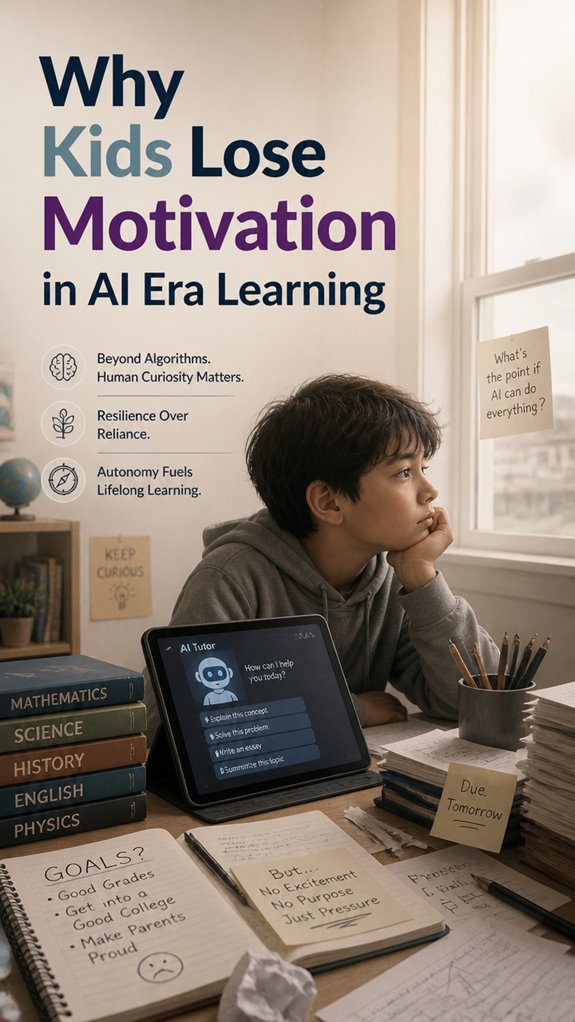
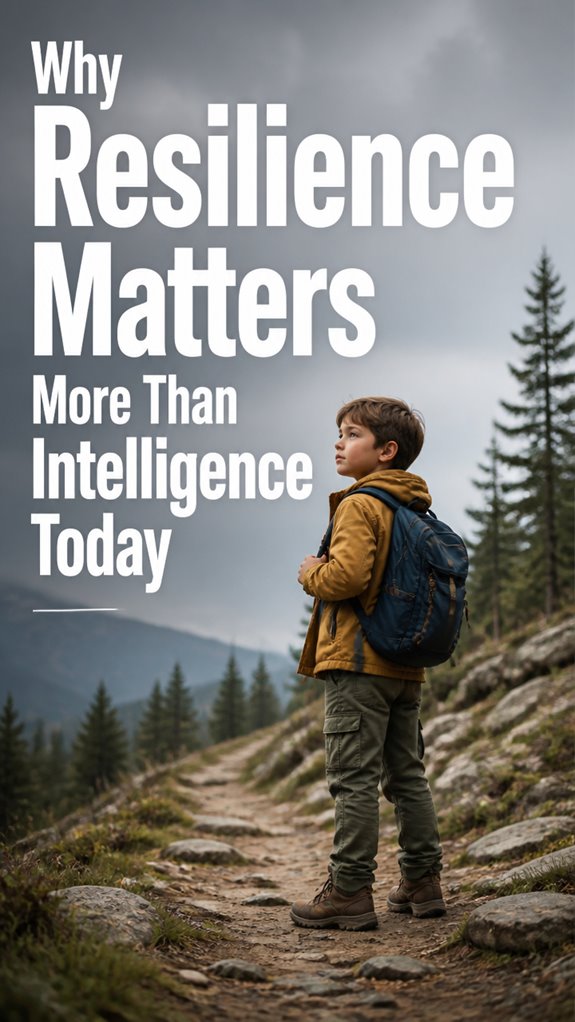
Why Does Your Child’s Resilience Matter More Than Their Report Card?
Because resilience determines whether they rise after failure or stay down. Intelligence opens doors, but resilience walks through them repeatedly, even when they slam shut.
Real Resilience Looks Like Getting Back Up
My daughter froze during her first coding competition. Panic hit. She wanted to quit. Instead, I watched her take three breaths, reread the problem, and try again. That moment showed me something crucial: raw talent means nothing without the grit to persist. That’s precisely why we created Adaptive Atlas. We wanted to build a space where kids practice bouncing back, not just acing tests. Where they learn emotional strength alongside problem-solving. Where setbacks become stepping stones, not stop signs.
When Failure Became My Teacher
Last year, I launched a project that completely flopped. Zero traction. But instead of spiraling, I asked myself what I’d tell my daughter. I pivoted. I learned. I tried again. That experience reinforced everything we teach through Adaptive Atlas. Resilience isn’t genetic. It’s practiced. It’s chosen. Every single day.
Quick Takeaways
- Resilience enables adaptability and continuous growth, which are crucial in a rapidly changing, unpredictable world.
- Fostering resilience helps children manage stress, setbacks, and emotional challenges effectively.
- Emphasizing resilience prepares children for future careers requiring problem-solving and flexibility over static intelligence.
- Resilience promotes emotional agility and self-regulation, essential for navigating technological and societal shifts.
- Building resilience supports long-term success by developing skills like creativity, critical thinking, and emotional strength.
Why Resilience Is More Critical Than Ever for Kids Facing Anxiety
Have you noticed how kids today often feel overwhelmed by uncertainty and change? It’s a natural response to a world that shifts quickly.
Instead of focusing solely on intelligence, prioritize building resilience. A growth mindset helps children see challenges as opportunities to learn and grow, rather than threats.
Foster resilience and a growth mindset to turn challenges into opportunities for learning and growth.
Social competence plays a crucial role in managing stress and anxiety, giving kids the tools to connect, communicate, and seek support.
When children develop resilience, they learn to bounce back from setbacks and manage difficult feelings more effectively. This mindset creates a sense of control over worries and uncertainty, preparing them for a future where change is constant. Understanding emerging job market trends empowers families to align resilience-building with the adaptive skills their children will need for tomorrow’s careers.
How Emotional Resilience Protects Children From Stress and Builds Confidence
Emotional resilience acts as a vital shield for children against stress, helping them stay grounded amid life’s inevitable uncertainties.
When children develop emotional agility, they learn to adapt quickly, staying flexible rather than overwhelmed. Self-regulation is the cornerstone here—children who can manage their feelings and reactions build confidence and stay calmer under pressure.
Instead of fearing challenges, they see setbacks as opportunities to grow. As a parent, your goal is to support a mindset that values process over perfection and promotes steady, mindful responses. By teaching adaptability tips for kids, you equip them with concrete strategies to handle transitions and unexpected changes more effectively.
This creates a strong foundation for future resilience, enabling kids to face change with assurance.
Keep in mind, resilience isn’t about avoiding stress, but learning how to navigate it with clarity and control, setting them up for sustained success.
Practical Brain-Based Strategies to Help Kids Develop Resilience and EI
Building resilience and emotional intelligence (EI) in children isn’t about teaching them to avoid stress or discomfort; it’s about equipping their brains with practical, brain-based strategies that help them respond effectively. You can foster this through simple practices like mindfulness exercises, which teach kids to stay present and manage overwhelming feelings. Gratitude journaling helps shift focus from worries to appreciation, reinforcing a positive outlook and emotional strength. Understanding how children interpret media messages in today’s digital landscape also strengthens their resilience by helping them critically evaluate information rather than passively absorb it.
| Strategy | How It Supports Resilience |
|---|---|
| Mindfulness exercises | Develops self-awareness and calmness |
| Gratitude journaling | Builds optimism and viewpoint |
| Regular reflection | Strengthens self-regulation and growth |
These practices reframe fears into steady, manageable actions. They give your child tools for ongoing adaptation, shaping future resilience through consistent, intentional habits.
Why Resilience and Emotional Skills Are Key to Thriving in Today’s Complex World

In today’s world, challenges change rapidly, and traditional skills alone no longer guarantee success. That’s why resilience virtues and emotional agility are essential.
Resilience helps children stay steady during uncertainty, recover from setbacks, and grow stronger from failure.
Emotional agility allows them to understand and manage their feelings, making thoughtful decisions even when overwhelmed.
Many parents worry about an unpredictable future, but the key isn’t control — it’s building adaptable, confident children who can navigate continuous change.
Reflection practices help children build awareness of their behaviors and emotions, strengthening their capacity to learn from experiences and develop good habits.
Instead of focusing solely on grades or fixed plans, focus on developing these core qualities.
Resilience Mindset Guide
When it feels like the world is changing faster than we can keep up, it’s natural to worry about how children will manage uncertainty and setbacks. But you can shift this worry into a strengthening force.
Cultivating a resilience mindset means encouraging your child’s childhood creativity, allowing them to explore, fail, and learn from setbacks without fear. Parental engagement is key here—your calm presence and consistent support build their inner strength. By helping children view challenges as opportunities to develop their abilities rather than threats to avoid, you enable them to embrace challenges and grow stronger through adversity.
Focus on teaching them that setbacks are opportunities, not dead ends. Over time, this approach helps children develop a sense of control, adaptability, and confidence—traits essential for steering through a world of continuous change.
Neuroplasticity Evidence Underscores Resilience
Neuroplasticity shows us that the brain is more adaptable than many people realize, changing and reorganizing itself throughout life. This neuroplasticity research confirms that brain rewiring isn’t just for early childhood; it continues as you age. It means your child’s brain can build new connections, even after setbacks or stress. The brain’s ability to change remains active well into adulthood, offering ongoing opportunities for growth and healing at any age.
When you understand this, you realize resilience isn’t fixed—it’s a skill that can be cultivated. Small daily practices, like mindfulness or emotional regulation, help the brain create stronger pathways for calm and strength. Instead of fearing your child’s challenges, focus on supporting their ability to rewire and adapt.
Over time, these patterns reinforce resilience, turning setbacks into opportunities for growth. This empowers your entire family to navigate the future with confidence and flexibility.
Navigating Skill Obsolescence Challenges

Consider these steps:
- Encourage self-directed learning to foster independence.
- Emphasize problem framing and critical thinking rather than rote knowledge.
- Support experimentation and exploration to develop flexibility.
- Teach how to work with AI tools, turning them into amplifiers, not replacements.
- Build adaptive capacity to navigate the accelerating pace of change in your field and industry.
The Adaptive Atlas Anti-Fragile Child System
Building resilience into your child’s character means helping them handle uncertainty and setbacks with confidence. The Adaptive Atlas Anti-Fragile Child System focuses on developing coping mechanisms that enable children to grow stronger through challenges.
Resilience assessment is key — it helps you understand how your child responds to pressure and failure. Instead of avoiding difficulties, teach them to stay engaged and learn from setbacks. An anti-fragile mindset transforms adversity into opportunities for growth and development.
Understanding your child’s response to failure helps build their resilience and ability to grow through challenges.
This system shifts focus from fixed intelligence to long-term adaptability, nurturing skills like emotional regulation, problem-solving, and flexibility. By fostering these qualities, you’re equipping your child to navigate unpredictable futures, where change is constant.
Recognize, resilience is built over time through consistent, intentional actions that reinforce their ability to recover and thrive, regardless of what tomorrow brings.
The Full Adaptive Atlas Framework
The Full Adaptive Atlas Framework unites five interconnected systems that equip your child to thrive amid constant change, rather than just survive it. You fear AI will erase jobs—it’s true some will shift, but this framework reframes that into leverage. Build resilience technology now, so your child collaborates with AI as an amplifier, not a threat.
- Anti-Fragile Child System: Your child handles uncertainty like Nassim Taleb’s antifragility, growing stronger from setbacks.
- Learning Stack Model: They master self-directed loops for lifelong skill-building.
- Future Skill Stack: Focus on irreplaceable traits—critical thinking, creativity—that AI can’t replicate.
- AI Learning + Child Type Navigator: Personalize tools and profiles, forming resilience communities for sustained edge.
Join these systems; your child shapes their future with calm capability. (124 words)
The Adaptive Atlas Framework
Five connected systems designed to help parents raise adaptable, future-ready children in a world shaped by AI, automation, and constant change.
| 🛡️ |
Anti-Fragile Child SystemBuilds resilience, adaptability, and the ability to handle uncertainty without shutting down. |
| 📚 |
Learning Stack ModelDevelops self-directed learning habits and continuous skill acquisition beyond school systems. |
| 🚀 |
Future Skill Stack SystemFocuses on high-value human skills that remain relevant in an AI-driven economy. |
| 🤖 |
AI Learning SystemTeaches children how to use AI as a thinking partner instead of becoming dependent on it. |
| 🧭 |
Child Type Navigator SystemPersonalizes learning and development based on each child’s strengths and personality. |
FAQ
How Can Parents Effectively Measure Their Child’s Emotional Resilience?
Envision resilience as a garden—you’ll see it through emotional assessments and resilience indicators. Watch how your child bounces back from setbacks, copes under pressure, and maintains optimism—these reveal their true capacity for emotional resilience and personal liberation.
What Role Does Cultural Background Play in Developing Resilience?
Your child’s cultural diversity influences resilience strategies by shaping their worldview and responses to adversity. Embrace this, encourage adaptability, and foster diverse coping mechanisms, empowering them to navigate challenges with confidence and a liberated, inclusive mindset.
Can Resilience Training Be Integrated Into Existing School Curricula?
You can integrate resilience techniques into curriculum, surprisingly, by embracing liberation through flexibility. When you prioritize adaptable, practical resilience training, you give students tools for thriving amid chaos, transforming education into a true empowerment platform.
How Does Resilience Influence Long-Term Mental Health Outcomes?
Resilience boosts your emotional endurance and strengthens coping mechanisms, empowering you to handle life’s inevitable challenges with confidence. This resilience promotes long-term mental health, freeing you from constant stress and enabling continuous growth despite adversity.
What Are Common Misconceptions About Resilience and Vulnerability in Children?
You might think resilience means never breaking, but childhood stereotypes and resilience myths paint vulnerability as weakness, hiding strength in struggle. Embrace honest wounds, freeing your child from outdated notions and nurturing genuine growth and authentic courage.
References
- https://ibhteam.com/raising-resilient-kids-teaching-emotional-intelligence-and-coping-skills/
- https://kidsusamontessori.org/what-are-effective-strategies-to-build-emotional-resilience-in-kids/
- https://pmc.ncbi.nlm.nih.gov/articles/PMC11408447/
- https://pmc.ncbi.nlm.nih.gov/articles/PMC10132289/
- https://newpath.org/parenting-guide/
- https://drtruitt.com/neuroplasticity-overcome-and-create-a-resilient-brain/
- https://pmc.ncbi.nlm.nih.gov/articles/PMC12844308/
- https://www.sondermind.com/resources/articles-and-content/neuroplasticity-boosts-emotional-strength/
- https://pdfs.semanticscholar.org/514e/ed2e0c2b339fe50e365710549652a7ee9dcb.pdf
- https://www.science.org/doi/10.1126/sciadv.adq8336