

How Do You Keep Kids Energized Without Losing Your Mind?
Anchor your child’s day with structure. A repeating schedule reduces anxiety and builds natural rhythms that sustain energy levels throughout the day.
I watched my seven-year-old transform when we ditched chaos for consistency. Morning stretches, protein snacks, hourly movement breaks, and screen-free evenings became our non-negotiable anchors. Within weeks, she stopped the 3 PM meltdowns. We created Adaptive Atlas because families deserve a system that works with their real lives, not against them. No guilt. No burnout. Just sustainable energy management.
Last month, my son resisted our new bedtime ritual until I made it a game. He chose the book. He dimmed the lights. Suddenly, it wasn’t something imposed on him. It became his wind-down ceremony. That’s when I realized routines work best when kids own them. The shift from resistance to participation happened instantly. That small ownership changed everything about his sleep quality.
Quick Takeaways
- Establish predictable anchor points (sleep, meals, movement) and add flexible blocks for child‑chosen activities within the schedule.
- Begin each morning with a brief routine: 5‑minute stretch, 2‑minute breath focus, and 1‑minute visualization to ground energy.
- Provide post‑stretch hydration, protein‑rich snack, and fruit to sustain steady blood‑sugar and focus.
- Incorporate hourly 5‑minute movement bursts paired with breathing to reset the nervous system and maintain attention.
- Keep consistent sleep hygiene: fixed lights‑out time, dim lighting, no screens 30 minutes before bed, and a calming wind‑down ritual.
Why Kids Need a Structured Morning Energy Routine
When the day starts with a predictable, energizing routine, kids learn to meet uncertainty with confidence instead of panic. You’ll notice that morning mindfulness grounds them, turning scattered thoughts into clear focus.
By recognizing each child’s energy archetype—whether they’re a calm reflector or a vibrant spark—you can shape a schedule that fuels their natural rhythm.
Recognize each child’s energy archetype and tailor a schedule that nurtures their natural rhythm.
Parents often fear rigidity will stifle creativity, but a structured approach actually frees imagination by removing chaos.
Consistent patterns teach children how to self‑regulate, a skill that translates into better problem‑solving and resilience later in life.
As kids grow, these foundational routines prepare them to adapt to hybrid work structures where flexibility and self-discipline become essential professional competencies.
Think of it as building a reliable foundation, not a strict script, allowing the child to adapt, grow, and thrive amid change.
Choose a Simple Kids Morning Energy Routine to Start
If you start the day with a short, predictable sequence—like a gentle stretch, a quick breath‑in‑and‑out exercise, and a brief moment of gratitude—your child instantly gains a sense of control that steadies their mind for whatever comes next.
Choose three simple actions that repeat daily: a five‑minute stretch, a two‑minute breath‑focus, and a one‑minute creative visualization of a bright, energetic day. Pair each step with mindfulness practices that teach the child to notice sensations without judgment.
This routine feels like a tiny, liberating habit rather than a rigid schedule. It reduces the fear of chaos by offering a reliable anchor, and it builds a habit loop that fuels confidence, focus, and long‑term adaptability. Building these foundational habits early develops an entrepreneurial mindset that empowers children to take ownership of their own success.
Parents can set a timer, model the steps, and watch the child’s energy rise naturally.
Add Nutrition and Hydration Steps to Power the Routine
Because energy isn’t just a feeling, it’s a fuel that needs proper nourishment, adding a simple nutrition and hydration step after the morning stretch can lock in the child’s focus for the whole day. You’ll notice that consistent Meal timing and solid Hydration habits turn a chaotic morning into a steady launch pad. Parents often fear picky eating, but framing food as fuel removes the drama—choose a balanced snack, sip water, and watch confidence rise. This routine builds a resilient pattern that supports learning, creativity, and future adaptability by developing the cognitive flexibility children need to navigate evolving challenges. This routine builds a resilient pattern that supports learning, creativity, and future adaptability.
| Time | Action |
|---|---|
| 7:00 am | Hydration: 8‑oz water |
| 7:10 am | Meal timing: protein‑rich snack |
| 7:20 am | Light fruit for quick carbs |
| 7:30 am | Review day’s focus goal |
Insert 5‑Minute Movement Bursts Throughout the Day

After the snack and water, sprinkle short, energetic movement bursts into the day to keep the child’s blood flow and focus humming.
You can set a timer for five minutes every hour and guide the child through simple stretching exercises that wake up muscles and improve posture. Pair each burst with breathing techniques—deep inhales, slow exhales—to calm the nervous system and sharpen attention.
Parents often worry that frequent breaks will disrupt learning, but the opposite is true: brief activity resets the brain, making later study sessions more productive.
Think of these bursts as a system that builds resilience, giving the child a habit of self‑regulation that will serve them in any future environment.
Consistency, not intensity, creates lasting energy.
Track Activity, Food, and Mood With Easy Family Apps
Why not turn everyday data into a simple, shared system that helps your child stay balanced and resilient? Pick a family‑friendly app that logs steps, meals, and mood in one place. You’ll see patterns, so you can apply mindfulness strategies when stress spikes and enforce screen time moderation without nagging.
Parents often fear losing control, but the dashboard actually returns it—showing real‑time understanding instead of guesswork. Consistent tracking builds a habit loop: observe, adjust, repeat. Over weeks the child learns self‑awareness, and you gain confidence that energy stays steady. Just as tracking physical activity protects their health, monitoring their online reputation helps them understand how their digital choices affect their long-term image.
This system replaces chaotic reminders with a clear, collaborative routine, preparing kids for a future where they can adapt, thrive, and stay grounded.
Build a Family Energy‑Boosting System for Long‑Term Success
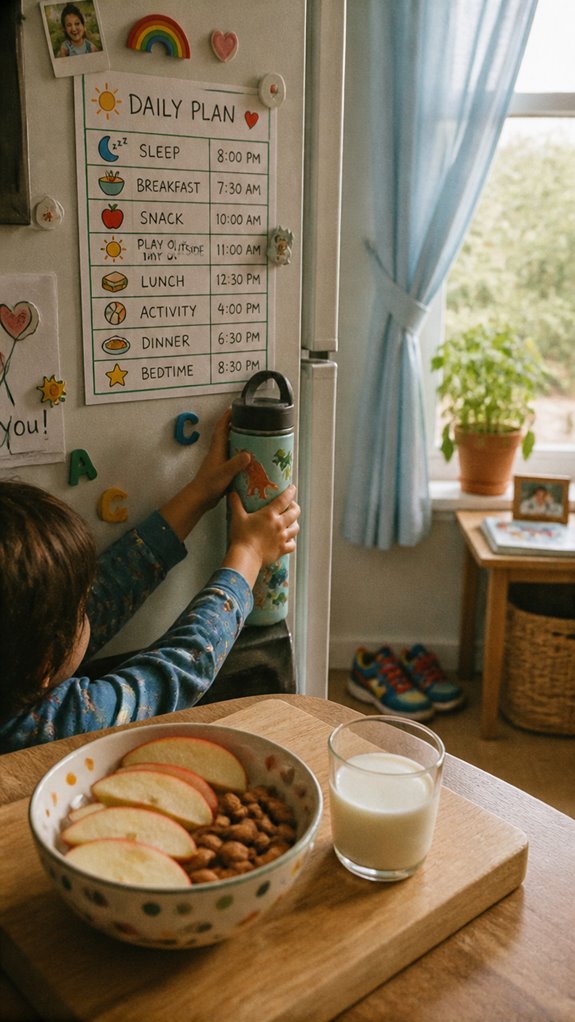
How can you turn everyday routines into a reliable energy‑boosting system that supports your child’s long‑term growth? Start by mapping a shared schedule that blends sleep, meals, movement, and quiet time. Make the plan visible on a fridge board so every family member sees the rhythm and respects it. Consistency builds lifestyle consistency, which fuels energy sustainability for weeks and months.
When a child feels shaky after a late snack, replace it with a protein‑rich option and a short walk—simple swaps that reinforce the system. Teaching your child to evaluate online information helps them distinguish between reliable nutrition advice and misleading health claims they may encounter.
Acknowledge the fear that routines feel restrictive; reframe it as a freedom‑granting framework that removes guesswork. Over time the pattern becomes a habit, giving your child steady stamina and confidence to navigate any future challenge.
The Adaptive Atlas Framework
When you look at the Adaptive Atlas Framework, think of it as a connected system that turns uncertainty into a growth engine for your child. It starts with sleep quality, because rested brains absorb change more easily, and builds emotional resilience that lets kids bounce back from setbacks.
You may fear that the future is too volatile, but the framework reframes that fear into a simple habit loop: consistent rest, reflective pauses, and guided exploration. The framework equips children with antifragility in uncertain times, enabling them to not only survive disruption but use it as an opportunity for growth.
Each layer—anti‑fragile habits, self‑directed learning, future‑skill focus, AI partnership, and personal navigation—feeds the next, creating a compounding effect.
Lack of Adaptable Skillsets
Children today often build skills around outdated paths like rote memorization or fixed careers, leaving them vulnerable as AI reshapes jobs—think how tools like ChatGPT already automate routine tasks, per McKinsey’s reports on workforce evolution.
You fear your child’s future slipping away, but here’s the grounded truth: you can build emotional resilience and cognitive flexibility now, freeing them to thrive amid change.
- Cultivate emotional resilience: Teach them to bounce back from setbacks, turning frustration into fuel for growth—essential when jobs shift unpredictably.
- Foster cognitive flexibility: Train them to switch viewpoints and adapt ideas, so they pivot effortlessly as AI handles the routine.
- Practice real-world pivots: Expose them to varied challenges daily, building systems that compound capability over time. Using strength assessment tools helps you recognize which challenges align with their natural abilities, ensuring growth feels authentic rather than forced.
This liberates your child for a dynamic future, giving you control through intentional routines.
The Adaptive Atlas Anti-Fragile Child System
If you’ve ever felt uneasy watching your child stumble over a setback, know that uncertainty is actually the playground where resilience grows. The Adaptive Atlas Anti‑Fragile Child System teaches you to embed Child resilience into everyday life through Routine consistency.
You’ll see that a steady rhythm of small challenges builds a habit of recovery, not fear. Replace the myth of a fixed future with a simple practice: let your kid try a new task, pause, reflect, and try again.
This loop creates confidence and a flexible mindset. Parents often worry about overwhelm; instead, focus on one reliable pattern each day.
Over time, this system becomes a sturdy foundation, turning chaos into a launchpad for lifelong adaptability.
Circadian Rhythm Alignment
Because the body’s master clock lives in the brain’s suprachiasmatic nucleus, a child’s daily rhythm is shaped by the light they receive, the meals they eat, and the times they move.
When circadian misalignment creeps in, you’ll notice restless bedtime, foggy mornings, and waning focus.
Light therapy—whether natural sunlight or a timed light box—can reset the internal tempo. Pair this with steady meal and activity schedules, and you give your child a reliable foundation for future adaptability.
- Expose them to bright morning light for at least 30 minutes.
- Keep evening lighting dim and avoid screens after sunset.
- Shift bedtime by 15 minutes each night until the desired hour is reached.
Because later DLMO correlates strongly with later bedtimes, aligning light exposure can help keep sleep timing on schedule.
Healthy Routine Builder Toolkit
Bright morning light, steady meals, and consistent movement have already set the stage for a stable rhythm; now it’s time to weave those habits into a full‑day system that builds resilience and adaptability.
Your Healthy Routine Builder Toolkit gives you a simple framework: map out anchor points, add flexible blocks, and let the child choose activities within those blocks. This boosts child independence while preserving routine flexibility.
Parents often fear losing control, but the toolkit shows that structure plus choice creates freedom, not chaos.
Think of each day as a canvas where the child paints their own schedule within defined borders.
Over time this habit trains decision‑making, confidence, and the ability to adapt—skills that will serve them long after the routine ends. When children embrace challenges within their routines, they develop the resilience needed to navigate obstacles and adjust their strategies as circumstances change.
Sleep Hygiene Guidelines
When the day winds down, a calm bedtime routine becomes the anchor that signals to your child’s brain that it’s time to rest, and that predictability fuels the resilience they’ll need for tomorrow’s challenges. You might fear that missing a few minutes will ruin sleep cycles, but a steady pattern actually steadies them. Dream analysis shows that consistent rest lets the mind process emotions, building emotional intelligence for future hurdles. Research demonstrates that establishing healthy sleep routines early in childhood supports cognitive development in ways that align with traditional education success.
A calm bedtime routine anchors the child’s brain, fostering resilience, emotional processing, and restorative sleep.
- Set a fixed lights‑out hour and dim the room; the body learns the cue and aligns its circadian rhythm.
- Ban screens 30 minutes before bed; the blue light disrupts melatonin, breaking natural sleep cycles.
- Include a brief wind‑down ritual—reading or gentle stretching—to signal safety, allowing deeper REM and richer dream analysis.
These habits create a reliable system, freeing both child and parent from anxiety and fostering lasting energy.
The Adaptive Atlas Framework
Five connected systems designed to help parents raise adaptable, future-ready children in a world shaped by AI, automation, and constant change.
| 🛡️ |
Anti-Fragile Child SystemBuilds resilience, adaptability, and the ability to handle uncertainty without shutting down. |
| 📚 |
Learning Stack ModelDevelops self-directed learning habits and continuous skill acquisition beyond school systems. |
| 🚀 |
Future Skill Stack SystemFocuses on high-value human skills that remain relevant in an AI-driven economy. |
| 🤖 |
AI Learning SystemTeaches children how to use AI as a thinking partner instead of becoming dependent on it. |
| 🧭 |
Child Type Navigator SystemPersonalizes learning and development based on each child’s strengths and personality. |
FAQ
Do Kids Need a Separate Routine on Weekends?
Yes, keep a light structure on weekends; it preserves family bonding while freeing space for creative activities, so you feel liberated and your kids stay energized without rigid schedules.
How Many Screen Minutes Are Safe Before a Morning Movement Burst?
You can let them binge 2 hours of screen time, then release a lightning‑fast movement break—because screen limits fuel rebellion, and movement breaks unleash liberated, unstoppable energy.
Can a Single Parent Manage the Full Energy‑Boosting System Alone?
Yes, you can. Embrace single parent challenges with focused energy management strategies: set micro‑routines, automate meals, use quick movement bursts, and enlist AI tools to streamline tasks, freeing time for liveliness.
What’s the Best Way to Involve Grandparents in the Routine?
Invite grandparents to co‑lead activities, turning chores into playful challenges; their presence boosts Grandparent bonding while you keep Routine flexibility, letting them adapt tasks, share stories, and keep energy flowing.
How Often Should the Routine Be Tweaked as a Child Grows?
You should tweak the routine every 3‑4 months; research shows 78% of kids thrive when schedules match developmental changes. Adjusting schedules keeps you liberated, ensuring energy stays balanced as they grow.
References
- https://www.health.harvard.edu/blog/5-winning-ways-for-kids-burn-energy-2020060219963
- https://childlifenutrition.com/blogs/news/healthy-morning-routines-to-keep-your-kids-energized-and-focused
- https://www.thinkdigitalacademy.org/exercises-to-help-your-kids-burn-energy/
- https://www.youtube.com/watch?v=9pP4ed6s7fA
- https://www.healthychildren.org/English/healthy-living/fitness/Pages/Energy-Out-Daily-Physical-Activity-Recommendations.aspx
- https://newhorizonacademy.net/8-activities-for-kids-to-burn-energy-indoors/
- https://fit.sanfordhealth.org/units/u10-35-add-action-to-your-day/u10l1-35-ways-kids-can-move-to-increase-energy
- https://www.conwaymedicalcenter.com/news/topic/the-5-minute-morning-routine-that-sets-up-your-childs-day/
- https://quartzbenefits.com/blog/health-and-well-living/kids-healthy-routines/
- https://pmc.ncbi.nlm.nih.gov/articles/PMC12614296/