
How Do Kids Build Real Strength Through Struggle?
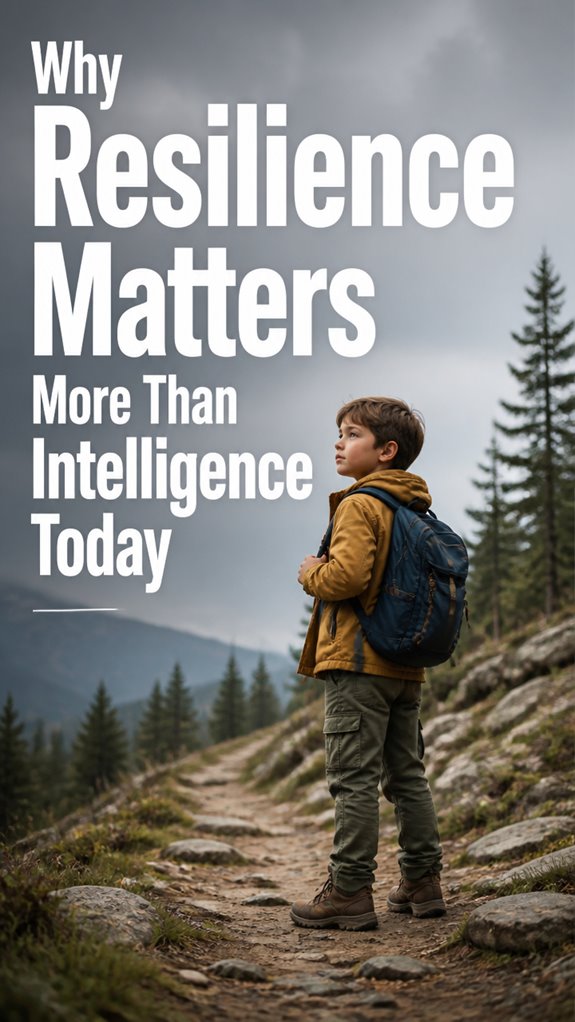
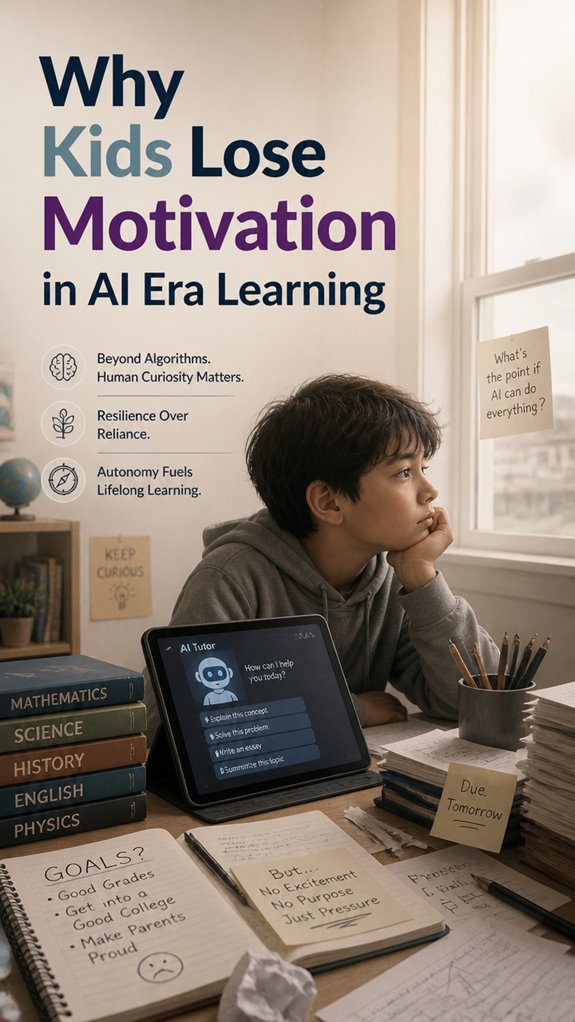
When children face setbacks in safe environments, they develop resilience and confidence. Challenges aren’t obstacles to avoid—they’re the actual building blocks of a stronger mindset. We created Adaptive Atlas to give parents proven frameworks for turning difficult moments into growth opportunities without the guesswork.
Why My Kid’s Math Failure Taught Me Everything
My son bombed his algebra test. Rather than panic, we dissected what went wrong. He discovered he learns better with visual models, not memorization. That single failure unlocked his entire approach to problem-solving. Now he tackles hard problems differently. He asks better questions. He doesn’t quit. That moment showed me resilience isn’t inherited—it’s constructed through honest reflection and trying again with fresh strategy.
The Breakthrough That Changed Everything
Last month, I watched my daughter refuse a challenging project. Instead of pushing her, I asked what support looked like. She wanted to work in stages. She wanted permission to get messy. By controlling her own learning conditions, she stopped resisting. Completion happened naturally. The shift wasn’t about motivation—it was about agency and autonomy in her own growth process.
Quick Takeaways
- Facing challenges builds emotional intelligence, resilience, and confidence by teaching kids to manage feelings and recover from setbacks.
- Early exposure to failures helps develop a growth mindset, fostering adaptability and long-term problem-solving skills.
- Reinforcing neural plasticity through varied experiences enhances brain development, making children more flexible and capable to handle future challenges.
- Guided use of technology encourages critical thinking, problem-solving, and digital resilience, preparing kids for a complex, ever-changing world.
- Systematic support and safe environments promote emotional growth, cultural understanding, and decision-making independence, strengthening resilience over time.
Why Kids Need an Antifragile Mindset to Thrive
Have you ever wondered why some children bounce back from setbacks with confidence, while others struggle to recover? An antifragile mindset is key here—it helps kids grow stronger through challenge, not in spite of it.
Emotional intelligence allows them to understand and manage their feelings, reducing fear and anxiety. Social adaptability enables children to navigate change confidently, building resilience over time.
Instead of avoiding difficulties, they learn to see them as opportunities for growth. This mindset isn’t about toughness or ignoring pain but about developing internal strength and flexibility.
As a parent, you can foster this by encouraging your child’s independence and helping them see setbacks as part of learning. Working with your child on setting future goals provides concrete direction for their growth and helps transform challenges into meaningful progress. Over time, this builds a foundation for long-term adaptability and confidence in an unpredictable future.
How Facing Challenges Builds Kids’ Resilience and Confidence
Facing challenges directly can be uncomfortable, but it’s one of the most effective ways to build your child’s resilience and confidence.
When kids face difficulties, they develop emotional intelligence—learning to recognize and manage feelings, which helps them stay focused and calm under pressure.
These experiences boost their sense of self-efficacy, making them believe in their ability to handle future challenges.
Instead of avoiding difficulties, they learn that setbacks are part of growth.
This mindset fosters independence and a strong inner core, shaping their long-term adaptability.
As parents, your role is to support children through struggles with calm confidence, helping them see challenges as opportunities for development.
Learning to defend their ideas respectfully during difficult moments teaches kids how to express themselves while maintaining relationships with others.
Over time, this builds a foundation for resilience and confidence that strengthens their readiness for whatever the future holds.
Practical Parenting Tips to Help Kids Grow From Difficulties
When children encounter difficulties, your instinct might be to fix things quickly, but it’s more powerful to see challenges as opportunities for growth.
Helping them build emotional intelligence allows them to understand their feelings and manage setbacks calmly. Encourage open conversations about peer relationships, guiding them to navigate conflicts with empathy and respect.
Foster emotional intelligence and open dialogue to help children navigate conflicts with empathy and confidence.
Instead of shielding kids from every problem, teach them to reflect on what they learn from each experience. This creates resilience and fosters independence. Developing entrepreneurial thinking skills helps children approach obstacles as chances to innovate and find creative solutions rather than viewing them as roadblocks.
Keep in mind, it’s not about perfect outcomes but developing long-term skills for the future. By focusing on these systems—emotional awareness and healthy peer interactions—you help your child grow stronger, more adaptable, and ready to face a world of continuous change with confidence.
Preparing Children for the Future With a Growth Mindset

Building a growth mindset in children is one of the most powerful ways to prepare them for a future of constant change. It helps them develop emotional intelligence, enabling them to manage feelings like frustration or uncertainty confidently.
This mindset encourages creativity enhancement, as kids learn to see challenges as opportunities to grow, not threats. Instead of fearing failure, they learn to adapt, explore, and build resilience. Research shows that building optimism alongside growth mindset amplifies children’s ability to maintain positive outlooks during difficult periods.
You can foster this by praising effort, not just results, and by modeling curiosity and openness. Remember, stability isn’t the goal—long-term adaptability is.
When children see setbacks as part of learning, they gain control over their growth and future. This creates confident, capable minds prepared to navigate the unpredictable terrain ahead.
Early Failure Breeds Resilience
Introducing your child to early failure can seem uncomfortable at first, but it’s one of the most direct ways to build resilience.
When children face setbacks, they develop emotional intelligence by learning how to manage frustration and stay engaged.
This process also supports their moral development, teaching them about honesty, persistence, and responsibility.
Failure isn’t about avoiding mistakes but about seeing them as opportunities for growth.
By treating errors as valuable feedback rather than sources of shame, children learn to analyze what went wrong and adjust their approach accordingly.
It’s crucial to create a safe space where your child can experiment without fear of judgment.
Over time, they learn to bounce back stronger, gaining confidence in their ability to navigate challenges.
This approach shifts the focus from avoiding failure to embracing it as an essential part of long-term growth, shaping adaptable children prepared for an uncertain future.
The Adaptive Atlas Anti-Fragile Child System
In a world of rapid change and uncertainty, children who learn to handle setbacks without shutting down will be better prepared for the future. The Adaptive Atlas Anti-Fragile Child System helps foster this resilience.
It encourages risk-taking and emotional regulation, so kids grow stronger through challenge. Instead of avoiding failure, they learn to stay calm, adapt quickly, and see setbacks as opportunities. Building resilience requires consistent practice and supportive environments where children feel safe to experiment and learn from mistakes.
This isn’t about eliminating fear but managing it effectively. By teaching children how to navigate their emotions and take thoughtful risks, you prepare them for constant change.
These skills build confidence, independence, and long-term adaptability. The goal isn’t just to protect but to empower children to thrive in an unpredictable world—trusting their capacity to grow through difficulty.
The Adaptive Atlas Framework

The Adaptive Atlas Framework offers a clear, practical way to prepare your child for a constantly changing future. It emphasizes developing emotional agility and social adaptability, so they can navigate uncertainty confidently.
Here’s what it encourages:
- Cultivate resilience—so your child learns to remain calm and flexible during setbacks.
- Foster social adaptability—helping them build strong relationships across diverse groups.
- Promote mindset shifts—shifting focus from fixed roles to adaptable skills.
- Support continuous growth—making learning a lifelong, self-directed journey.
This approach reduces fears about an unpredictable world by giving your child practical tools.
It’s about empowering them to stay composed, connect meaningfully, and adapt fluidly—creating a foundation that truly supports their future, no matter what challenges come.
Neuroplasticity in Child Development
Neuroplasticity is the brain’s ability to reorganize itself by forming new connections throughout childhood, especially during those early years when growth is most rapid. You might worry about how your child’s brain develops, but this flexibility is a sign of strength. As they experience new things, their neural connections—the wiring that supports thinking, learning, and behavior—are constantly changing. Neural pathways, the brain’s “wiring,” act like roads that guide communication between neurons, and they adapt based on experiences. Repeated experiences strengthen these pathways, while unused ones fade away. This natural process means you can help shape their brain wiring through intentional support, not just by age but by ongoing interaction. Early childhood offers a window of high plasticity, making it ideal to promote positive experiences. Introducing children to practical skills like freelancing teaches them independence and adaptability while leveraging their developing neural networks during this critical period. Your role is to provide varied, engaging environments that encourage healthy neural development, setting a strong foundation for lifelong learning and adaptability.
Challenge Growth Toolkit for Kids
Have you ever wondered how to help your child bounce back stronger from setbacks? A Challenge Growth Toolkit centers on building emotional intelligence and cultural adaptability. These skills allow children to understand their feelings, navigate change, and connect with diverse viewpoints.
- Encourage self-awareness by helping them recognize emotions without judgment.
- Foster resilience through safe exposure to setbacks, emphasizing recovery.
- Promote curiosity about other cultures to broaden understanding and flexibility.
- Support independence in making decisions, reinforcing their sense of agency.
Research shows that adaptability skills training equips children with practical techniques to manage stress and respond flexibly to unexpected situations. This toolkit redefines challenges as opportunities for growth, giving your child a way to adapt confidently to an ever-changing world. It’s about creating systems that foster long-term strength, not quick fixes, empowering them for a future of continuous change.
Technology’s Role in Resilience
Many parents worry that technology might hinder resilience in children, but it can actually serve as a powerful tool for building strength and adaptability. Digital resilience and technological adaptability are key skills for the future.
When you guide your child to use technology intentionally, they learn to navigate challenges, recover from setbacks, and develop confidence in uncertain situations. Instead of fearing screens, see tech as a means to enhance problem-solving and independent learning.
AI tools, for example, can support children in exploring ideas and developing skills like critical thinking. By framing technology as a partner in resilience, you provide your child with long-term capabilities.
This approach emphasizes control, purpose, and systems—building adaptable minds ready for an ever-changing world. Developing future-ready skills ensures your child can thrive in environments that demand continuous learning and flexibility.
The Adaptive Atlas Framework
Five connected systems designed to help parents raise adaptable, future-ready children in a world shaped by AI, automation, and constant change.
| 🛡️ |
Anti-Fragile Child SystemBuilds resilience, adaptability, and the ability to handle uncertainty without shutting down. |
| 📚 |
Learning Stack ModelDevelops self-directed learning habits and continuous skill acquisition beyond school systems. |
| 🚀 |
Future Skill Stack SystemFocuses on high-value human skills that remain relevant in an AI-driven economy. |
| 🤖 |
AI Learning SystemTeaches children how to use AI as a thinking partner instead of becoming dependent on it. |
| 🧭 |
Child Type Navigator SystemPersonalizes learning and development based on each child’s strengths and personality. |
FAQ
How Can Parents Effectively Balance Support and Independence During Challenges?
You foster independence by supporting emotional regulation, guiding problem-solving skills, and encouraging exploration. Empower your child to face challenges, learn from setbacks, and build resilience, creating a balance that liberates them to grow confidently within uncertainty.
What Signs Indicate a Child Is Developing a Healthy Growth Mindset?
Research shows children with a growth mindset are 4 times more resilient. If your kid embraces challenges, persists through setbacks, and sees effort as growth, they’re developing resilience and a healthy growth mindset that frees their potential.
How Do Cultural Differences Influence Resilience-Building Strategies?
Cultural norms and family traditions shape resilience strategies by influencing how you teach children to face setbacks, embrace failure, and adapt. You’re empowered to craft diverse resilience-building methods, liberating your child from one-size-fits-all approaches.
Can Emphasizing Effort Over Talent Impact a Child’s Motivation Long-Term?
Focusing on effort boosts intrinsic motivation, helping your child find joy and purpose in challenges. It diminishes reliance on external validation, empowering them to pursue growth for themselves, fostering resilience, confidence, and long-term engagement in learning and life.
How Do Early Experiences With Failure Shape Future Adaptability Skills?
Studies show that early failure experiences build emotional resilience and cognitive flexibility, empowering you to foster adaptable children. By embracing setbacks, you liberate them from fear, enabling growth through challenges that cultivate resilience and flexible thinking for life’s uncertainties.
References
- https://www.understood.org/en/articles/strengths-that-come-from-challenges
- https://www.thewillows.org/wisdom-of-the-willows/~board/blog-articles/post/struggle-helping-children-grow-through-challenge
- https://mcc.gse.harvard.edu/resources-for-families/stick-with-it-2
- https://www.manningchildrens.org/news-blog/2025/march/four-ways-parents-can-help-their-children-bounce/
- https://biglifejournal.com/blogs/blog/how-to-raise-resilient-kids-who-never-give-up
- https://raisingchildren.net.au/school-age/development/school-age-social-emotional-development/resilience-how-to-build-it-in-children-3-8-years
- https://www.focusonthefamily.com/parenting/raising-resilient-kids/
- https://www.connecticutchildrens.org/healthy-child-content-hub/tough-stuff-overcoming-challenges
- https://pathways.org/understanding-neuroplasticity
- https://pmc.ncbi.nlm.nih.gov/articles/PMC7013153/