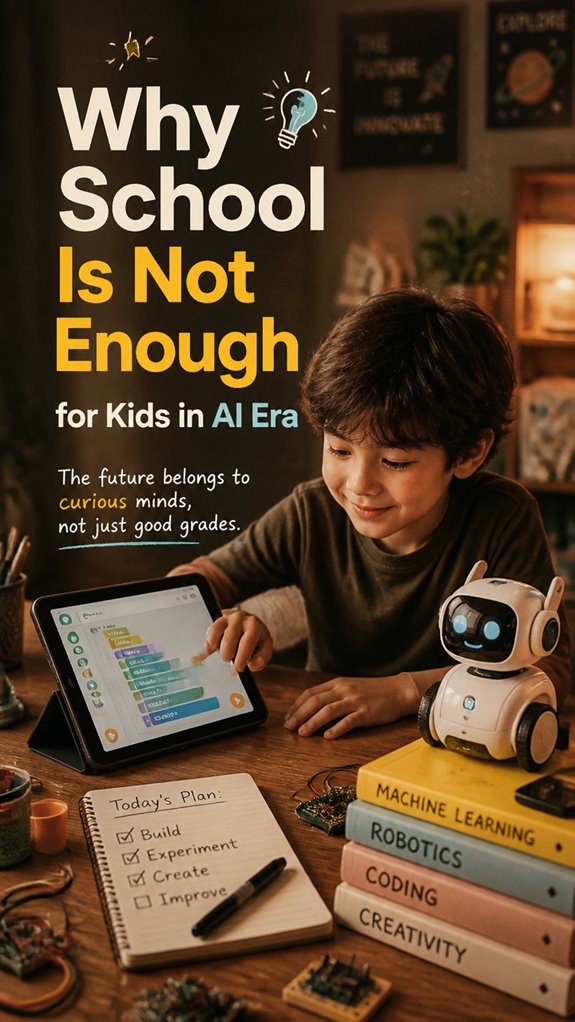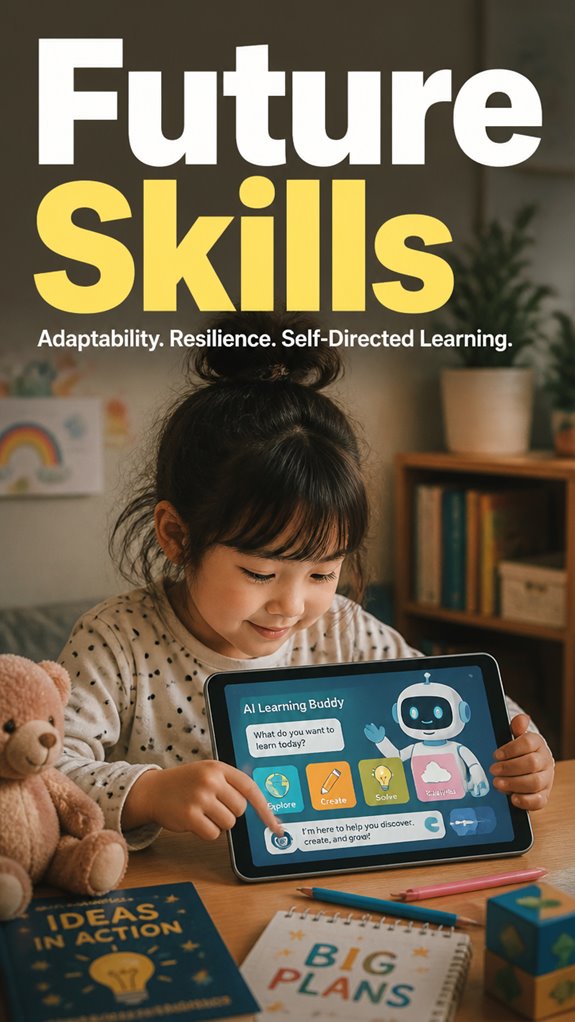
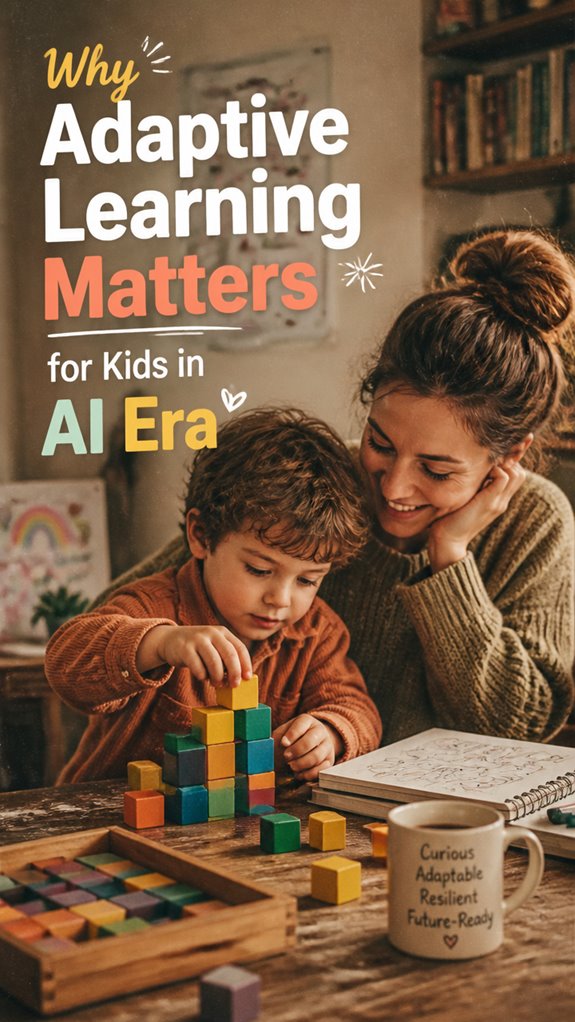
Why Your Child Needs Adaptive Learning in an AI-Powered World
How do you equip your child for a future where AI handles routine tasks? By developing the uniquely human skills that machines struggle to master: critical thinking, adaptability, and genuine independence.
My daughter spent months frustrated with cookie-cutter math worksheets until we discovered personalized learning pathways. Watching her light up when problems matched her pace, her interests, her actual thinking style—that moment changed everything. That’s precisely why we built Adaptive Atlas. Educational researcher Carol Dweck’s work on growth mindset showed us that tailored support doesn’t just improve grades; it reshapes how kids see themselves as learners.
A Turning Point That Changed My Perspective
Last year, I sat with my struggling learner at the kitchen table, both of us nearly in tears over standardized prep materials. When we switched to adaptive tools that actually responded to her thinking patterns, the tension dissolved. She wasn’t fighting the system anymore. She was building real competence, real confidence.
Quick Takeaways
- Adaptive learning personalizes education, increasing engagement and retention by aligning with each child’s interests and pace.
- It fosters essential skills like critical thinking, problem-solving, and adaptability crucial for AI-driven futures.
- Adaptive tools support ongoing skill development, enabling children to navigate continuous change effectively.
- It respects cultural backgrounds, ensuring inclusive and meaningful learning experiences for diverse students.
- Real-time curriculum adjustments prepare children with future-ready skills, promoting lifelong learning and career resilience.
What Is Adaptive Learning and Why It Matters for Kids
Adaptive learning is a mindset and approach that helps children thrive in a world that’s constantly changing. It’s not about rote learning or memorizing facts, which can become unnecessary as information becomes more available and quickly outdated.
Instead, it’s about fostering skills like critical thinking, problem-solving, and adaptability. Physical activity plays an essential role because it helps children develop focus, resilience, and coordination—fundamental qualities for learning in a dynamic environment. Beyond traditional academics, developing hidden skills for AI ensures children are equipped with competencies that schools often overlook but are essential for success in an AI-driven world.
Some parents worry about how to prepare kids for unpredictable futures, but the key is building a flexible system that promotes curiosity and independent thinking.
How AI Enhances Engagement and Boosts Learning Outcomes
AI tools are changing how children stay engaged and learn more effectively. They facilitate technological integration, giving kids personalized pathways that match their interests and paces. This boosts cognitive flexibility, helping children adapt their thinking as new challenges arise.
Instead of passive absorption, kids become active learners, exploring concepts through interactive exercises and instant feedback. This approach minimizes frustration and maintains motivation, which is essential for long-term growth.
Many parents worry about over-reliance on technology, but when used intentionally, AI amplifies their child’s natural curiosity and problem-solving skills. It also encourages independent learning, making children more adaptable for the future. Research demonstrates that personalized learning pathways significantly improve student engagement and retention compared to traditional one-size-fits-all educational approaches.
Aligning Adaptive Tools With Child Development and Brain Growth
As parents, it’s natural to worry about how best to support your child’s growth in a rapidly changing world. To do that effectively, you need to understand aligning adaptive tools with their brain development. Here are three key points:
- Neural plasticity — children’s brains are most adaptable in early years, so using personalized tools that challenge but don’t overwhelm helps strengthen connections.
- Cognitive flexibility — adaptable learning encourages kids to shift viewpoints and solve problems creatively, building resilience for future complexity.
- Developmentally appropriate pacing — tailored tools match a child’s readiness, fostering confidence and growth at each stage.
When children face real-world challenges, they apply these adaptive learning principles to authentic situations, deepening their ability to transfer skills beyond the classroom.
Simple Steps to Implement AI-Powered Learning at Home and School
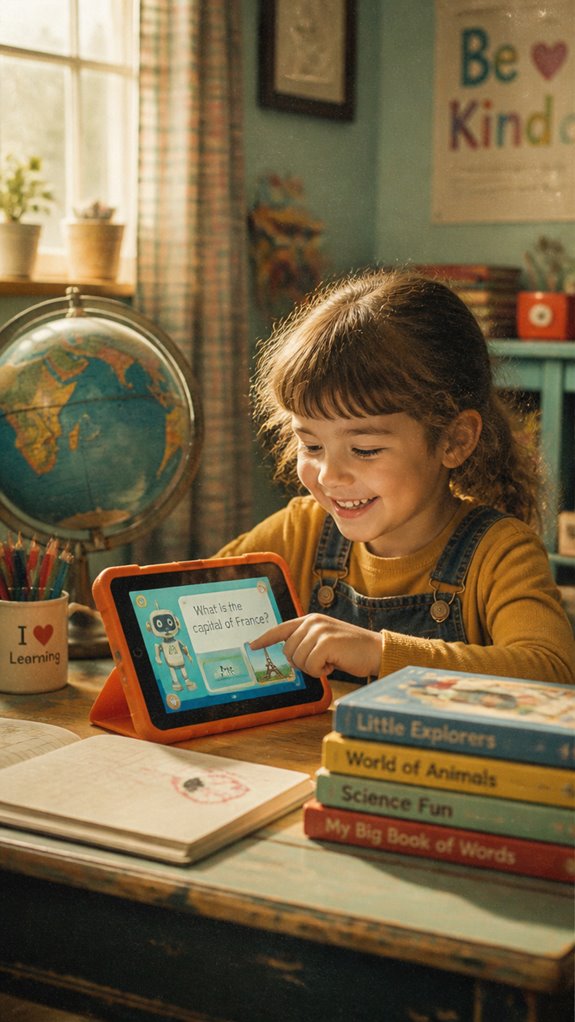
Many parents worry about how to integrate new technologies like AI into their children’s learning environments. The key is to start small and focus on creating engaging, meaningful experiences. Use gamification strategies like reward systems or challenges that motivate children to learn new skills and practice critical thinking. Parental involvement is essential; you can set goals, monitor progress, and actively participate in your child’s digital learning journey. Seek out AI tools designed for education, like adaptive platforms that personalize content based on your child’s strengths. Understanding future skill selection helps you identify which competencies will be most valuable for your child’s success in an evolving digital landscape. Here’s a simple plan:
| Step | Action | Focus Area |
|---|---|---|
| 1 | Choose age-appropriate tools | Engagement |
| 2 | Incorporate gamification | Motivation |
| 3 | Set learning routines | Consistency |
| 4 | Have regular check-ins | Support |
This approach fosters adaptable, future-ready skills while giving you confidence in guiding your child’s growth.
Global Growth in Personalized Education
Have you noticed how personalized education is transforming across the globe? The market was valued at about USD 8.3 billion in 2023 and is expected to reach USD 20.7 billion by 2032. This growth is driven by a desire for more engaging, tailored learning experiences that boost student motivation.
Regions like North America lead through early adoption and strong teacher collaboration, supported by government investment. Meanwhile, Europe and Asia Pacific are rapidly expanding digital‑based platforms, influenced by policies and large student populations. These adaptive learning systems enable real-time adjustments to curriculum based on individual student performance and learning styles.
For your child, this means increased access to adaptive tools that motivate and support independent learning. It also highlights the importance for teachers to work together to integrate these systems thoughtfully, ensuring every child benefits from the long-term potential of personalized, adaptive education. The adoption of AI, machine learning, and digital analytics is fueling the development of these innovative learning solutions, making education more responsive and effective.
Evolving Skills for Uncertain Future
The future of work will be unpredictable, and many parents worry about how to prepare their children for roles that don’t yet exist. But instead of stressing over specific jobs, focus on developing adaptable skills.
Kids need creativity enhancement to solve new problems and social skill development to work effectively with others. These skills help children navigate uncertainty with confidence and resilience. Developing future-ready competencies early ensures children can adapt to emerging industries and roles throughout their careers.
Research from organizations like McKinsey and OECD shows that a flexible, growth-oriented mindset keeps children employable and ready to reskill as needed. By nurturing lifelong learning habits and emotional intelligence, you equip your child to handle change calmly and creatively.
Understanding the importance of a growth mindset can motivate children to see challenges as opportunities for development instead of threats, which is crucial in unpredictable environments.
These capabilities aren’t just useful—they’re essential for building a strong, adaptable future in an ever-evolving world.
Adaptive Learning Importance Guide
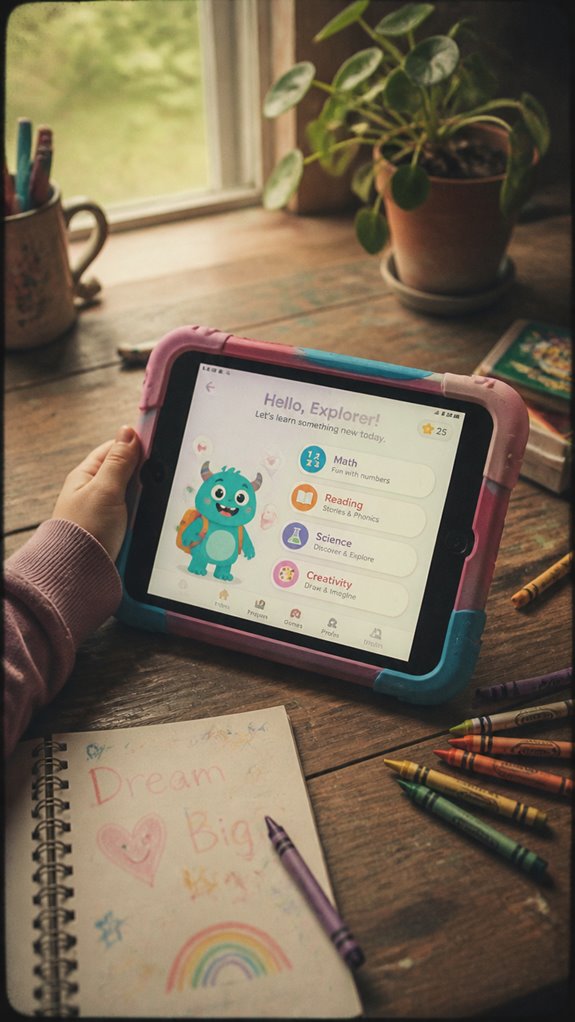
Adaptive learning is essential because it helps children develop the ability to learn continuously and adapt to a rapidly changing world.
It emphasizes holistic assessment, which considers the whole child—strengths, challenges, and cultural relevance—to guide personalized growth.
This approach recognizes that each child’s background and experiences influence how they learn best, helping them thrive in diverse environments.
Tracking learning progress through data enables parents and educators to identify patterns and make informed decisions about each child’s educational path.
Here are three key reasons to prioritize adaptive learning:
- Holistic assessment provides a complete view of the child’s abilities, enabling targeted support.
- Cultural relevance ensures learning respects and incorporates a child’s background, making education meaningful.
- Long-term mastery develops adaptable skills that support future success, even as roles and knowledge evolve.
The Adaptive Atlas Learning Stack Model
Understanding how children learn best in a world of constant change requires a shift from traditional methods. The Adaptive Atlas Learning Stack Model offers a clear framework focused on curriculum flexibility and learning adaptability.
Instead of preparing kids for a fixed future, it shapes their ability to navigate ongoing shifts. This model combines five connected layers—each building on the last—that create a resilient, future-ready child.
Your goal is to develop capability, not memorize facts. It emphasizes skills like critical thinking and adaptability, which are essential in an AI-driven economy. When parents actively participate in this learning journey through parent-child growth, they reinforce these adaptive skills and model the flexibility their children need.
The Adaptive Atlas Framework
Five connected systems designed to help parents raise adaptable, future-ready children in a world shaped by AI, automation, and constant change.
| 🛡️ |
Anti-Fragile Child SystemBuilds resilience, adaptability, and the ability to handle uncertainty without shutting down. |
| 📚 |
Learning Stack ModelDevelops self-directed learning habits and continuous skill acquisition beyond school systems. |
| 🚀 |
Future Skill Stack SystemFocuses on high-value human skills that remain relevant in an AI-driven economy. |
| 🤖 |
AI Learning SystemTeaches children how to use AI as a thinking partner instead of becoming dependent on it. |
| 🧭 |
Child Type Navigator SystemPersonalizes learning and development based on each child’s strengths and personality. |
FAQ
How Can Adaptive Learning Address Diverse Learning Disabilities?
You can use adaptive learning to provide personalized support and inclusive strategies, tailoring instruction to each child’s unique needs. This approach helps address diverse learning disabilities by continuously adjusting methods, ensuring effective, equitable learning experiences for all children.
What Are Potential Risks of Over-Reliance on AI in Education?
“Don’t put all your eggs in one basket.” Over-reliance on AI in education risks AI bias and data privacy issues, potentially skewing learning and compromising privacy. Mastery requires balanced integration and vigilant oversight.
How Do Parents Effectively Personalize AI Learning Tools for Their Children?
You effectively personalize AI learning tools by fostering personalized engagement and actively involving yourself in your child’s learning process, tailoring content to their strengths, interests, and challenges, which enhances mastery and guarantees tools support their unique developmental journey.
Can Adaptive Learning Replace Traditional Classroom Interactions Entirely?
Adaptive learning can potentially replace traditional classroom interactions entirely, offering a personalized curriculum with real-time feedback that fosters mastery. You:**must harness this dynamic, interactive environment to cultivate deep understanding, transcending conventional methods in your pursuit of educational excellence.
How Does Adaptive Learning Support Emotional and Social Development?
You foster emotional resilience by encouraging children to navigate challenges and setbacks, while social skills develop through adaptive, collaborative interactions tailored to individual needs. This personalized approach cultivates mastery in emotional regulation and social competence essential for future success.
References
- https://elearningindustry.com/ai-powered-adaptive-learning-ushering-in-a-new-era-of-education-in-2025
- https://oxfordlearning.com/future-ready-study-skills-how-to-prepare-your-child-for-the-ai-age/
- https://lpadesignstudios.com/research/advancing-adaptive-k-12-learning-ecosystems-in-the-ai-era
- https://www.noemamag.com/reimagining-school-in-the-age-of-ai
- https://www.voicesforinnovation.org/preparing-our-kids-for-the-ai-era/
- https://www.pas.va/en/publications/scripta-varia/sv158pas/okunowo.html
- https://www.gse.harvard.edu/ideas/edcast/24/10/impact-ai-childrens-development
- https://icistech.org/index.php/icistech/article/view/127
- https://dataintelo.com/report/global-personalized-learning-market
- https://www.precedenceresearch.com/hyper-personalized-learning-market