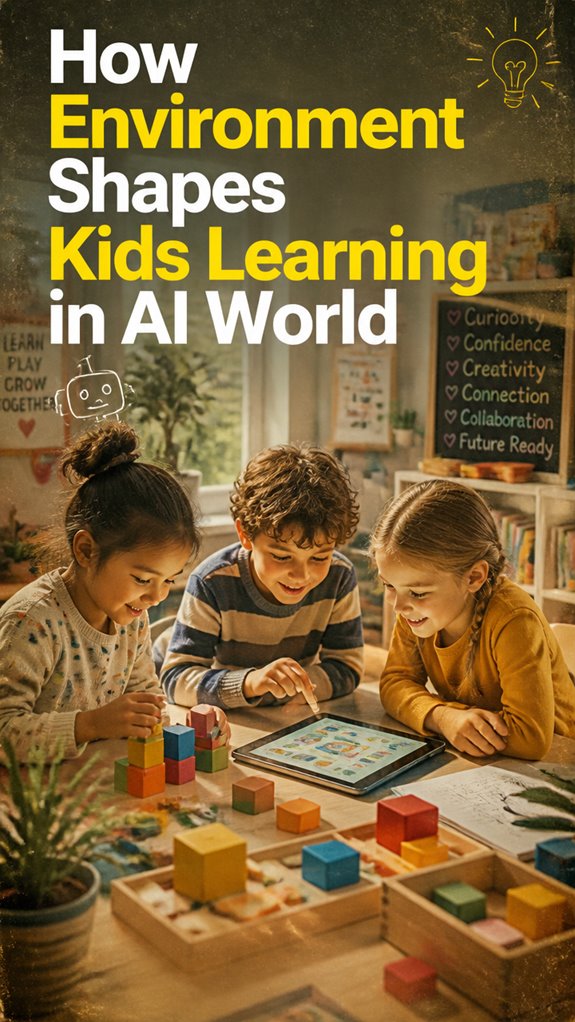
Does Your Child’s Learning Space Actually Matter in the AI Age?
Absolutely. A calm, organized environment builds focus and resilience when AI shapes their world. Simple, inviting spaces tailored to your child’s needs spark confidence and independence. Routines and safe zones for motor, sensory, and social development become anchors. Technology becomes a tool, not a distraction.
How One Messy Room Taught Me Everything
My daughter’s bedroom looked like a tornado hit it. Toys everywhere. No rhythm. No calm. Then I watched her struggle with a coding app, frustrated and scattered. That’s when I realized: her external chaos mirrored her internal state.
I redesigned the space intentionally. Zones for focus. Zones for play. Zones for rest. Her attention span doubled. Her frustration plummeted.
That’s why we created Adaptive Atlas. We wanted families to understand that environment isn’t luxury. It’s infrastructure for learning. For AI literacy. For growth.
The Day I Witnessed the Shift
Last Tuesday, I sat in my daughter’s newly organized study corner while she tackled her first AI learning module. No screaming. No tablet-throwing fits. Just presence. Just effort.
That thirty-minute session proved what I’d suspected: structured environments don’t restrict kids. They liberate them. They give growing minds permission to think deeply.
Quick Takeaways
- An organized, calm environment enhances focus and critical thinking, essential for learning in an AI-driven world.
- Sensory and motor development spaces build resilience and physical skills necessary for navigating digital challenges.
- Stable routines foster independence and self-regulation, supporting children to adapt effectively to AI and technological changes.
- Creating spaces that promote human connection alongside digital interaction builds trust and social-emotional skills.
- Encouraging adaptive, resilient mindset through environment and routines prepares children for uncertainty and continuous learning.
How Can I Organize My Child’s Space to Improve Focus?
Creating an organized space for your child is more than just tidy-up chores; it’s about setting the stage for sustained focus in a rapidly changing world. Mindful organization helps your child develop sensory integration, which is essential for managing attention and emotional regulation.
A mindful, organized space fosters focus, emotional balance, and confidence for your child’s growing world.
Instead of clutter that distracts, create a designated area that balances needed tools with calming simplicity. Keep essential items within reach, but avoid overloading the space. Use natural lighting and soft colors to promote tranquility.
This structured environment builds confidence and independence, which are key for future adaptability. Building these organizational habits through consistent routines helps establish sustainable discipline habits that will serve your child throughout their academic journey. Keep in mind, the goal isn’t perfection but clarity.
When your child’s space is intentional and aligned with their needs, they gain the ability to focus, think critically, and navigate change—both now and in their future learning journey.
What Elements Create a Calm and Stimulating Learning Environment at Home?
A calm and stimulating learning environment at home isn’t just about comfort—it’s about how the space supports your child’s ability to focus, explore, and adapt over time. Mindful Decor plays a key role, using simple, intentional choices that reduce distraction and promote clarity. Keep surfaces uncluttered and introduce natural elements like plants or soft lighting to foster calmness.
Ambient Sounds, such as gentle music or nature noises, help set the tone—keeping your child relaxed yet alert. These elements give your child a sense of control and safety, essential for long-term growth.
Keep in mind, stability and predictability are powerful for steering a world of constant change. Creating this environment isn’t about perfection but about building a space that encourages resilience and curiosity for the future.
How Do I Set Up Safe, Engaging Areas for Motor and Sensory Development?
Establishing safe, engaging spaces for motor and sensory development helps your child build foundational skills essential for future learning and resilience. Focus on creating areas that promote sensorimotor integration through proprioceptive activities that challenge their awareness of body position and movement. Your goal is to foster confidence by providing opportunities for active exploration and physical challenge. By recognizing and nurturing your child’s unique strengths, you can tailor these environments to match their natural abilities and learning style.
| Safe Zones | Activities That Engage | Key Developmental Benefits |
|---|---|---|
| Soft mats for crawling | Jumping, climbing | Builds strength, coordination, confidence |
| Open space for movement | Balancing, stretching | Enhances proprioceptive awareness, control |
| Sensory corners | Touch, sight, sound | Develops sensory processing, focus |
Reframe fears by seeing these spaces as tools—powerful ways to nurture your child’s resilience and readiness for future challenges.
How Can I Establish Routines That Promote Independence and Good Time Management?
Building routines that foster independence and good time management helps set your child up for long-term success in a world of constant change. Instead of relying on rigid schedules, focus on habit formation through routine customization.
When you adapt routines to your child’s unique tendencies, you empower them to develop self-discipline and decision-making skills. Keep in mind, consistency creates security, but flexibility allows growth.
Parents often fear losing control; however, structured routines give them clarity and direction. By embedding simple, predictable patterns—like morning preparation or homework time—you help your child build a sense of ownership over their activities.
Over time, these habits translate into confident independence, preparing them to navigate an unpredictable future with resilience. The goal is a balanced system that supports ongoing capability development and practical adaptability. Incorporating AI dependency prevention strategies into daily routines ensures your child develops critical thinking skills rather than defaulting to technological solutions.
How Do I Balance Technology Use to Support Learning Without Distractions?
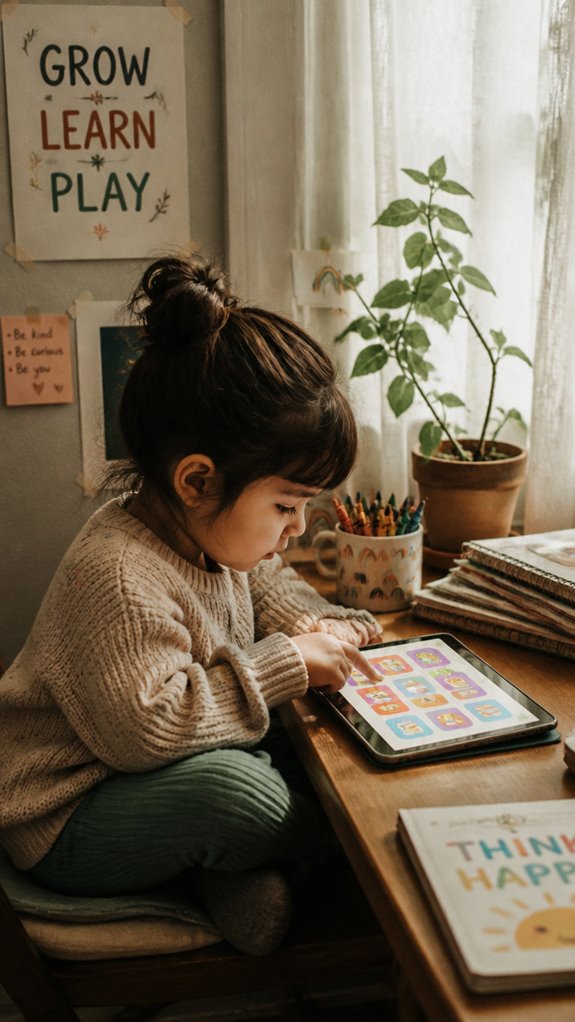
Technology can be a powerful tool for learning, but when used without structure, it often becomes a source of distraction.
As a parent, you can foster digital discipline by setting clear expectations around tech integration. This doesn’t mean banning devices but creating routines that prioritize focused learning and deliberate use.
Encourage your child to use technology intentionally, supporting habits like scheduled breaks and specific goals.
Avoid the fear that tech will take over; instead, see it as a means to develop skills essential for the future.
A well-managed environment helps children leverage technology meaningfully, building independence and resilience. Establishing healthy screen boundaries ensures that technology enhances learning rather than undermines it.
Keep in mind, consistency and clarity create a sense of control and enable your child to navigate an increasingly digital world confidently.
Dynamic Environmental Influences on Adaptability
The environments children grow up in are constantly changing, influenced by factors like community, technology, family routines, and social norms. These are environmental triggers that serve as adaptive influences, shaping how kids respond to new challenges.
You might worry about unpredictable changes, but understanding that adaptability is a skill helps you focus on what you can control. It’s about creating consistent routines that encourage resilience, curiosity, and self-regulation. Maintaining curiosity through consistency ensures children don’t lose interest in learning as their environment evolves.
Encourage your child to see change as an opportunity for growth, not a threat. This approach builds their capacity to handle volatility and uncertainty without fear.
Keep in mind, your role is to guide them in developing flexible mindsets and habits that will serve them well in a future where change is the only constant.
Pediatric Neuroplasticity Studies
Understanding how a child’s brain develops gives you a clearer picture of their ability to learn and adapt. Neuroplasticity theories show that children’s brains are incredibly flexible, able to form new connections and reorganize through experience.
Pediatric brain development is driven by environmental engagement—play, learning, and challenges shape synaptic connections. As children grow, their brains prune unused pathways, making remaining connections more efficient. This process enhances thinking skills like language, problem-solving, and motor coordination.
Knowing this, you realize that nurturing rich, varied experiences during childhood directly impacts future learning capacity. It’s not about fixing or rushing development but creating environments that foster continuous, adaptive growth. The brain’s high ability to adapt during early childhood ensures that the foundation for lifelong learning is laid during these critical years.
Small, consistent interactions build neural foundations for a resilient, capable child ready for a fast-changing world.
Overcoming Resistance to Change
Resistance to change is a natural response, especially when routines and familiar ways of doing things feel safe. You might worry that introducing new methods or ideas will disrupt your child’s stability. But overcoming resistance doesn’t mean forcing change; it means guiding your child toward change acceptance with confidence. Focus on creating a supportive environment where effort is valued over immediate output. Use clear, consistent routines, and give children choices to restore their sense of agency. When you acknowledge fears calmly, you help your child see change as an opportunity rather than a threat. Establishing digital safety guidelines helps children navigate online spaces confidently while building trust in your guidance. Reinforce the long-term benefits—building adaptability, resilience, and skills for a future where knowledge shifts quickly. Understanding that active learning values multiple solutions helps children appreciate that there isn’t just one right answer, reducing their fear of mistakes. Your steady leadership turns resistance into a foundation for growth, shaping kids who thrive in an unpredictable world.
Learning Environment Optimization Guide
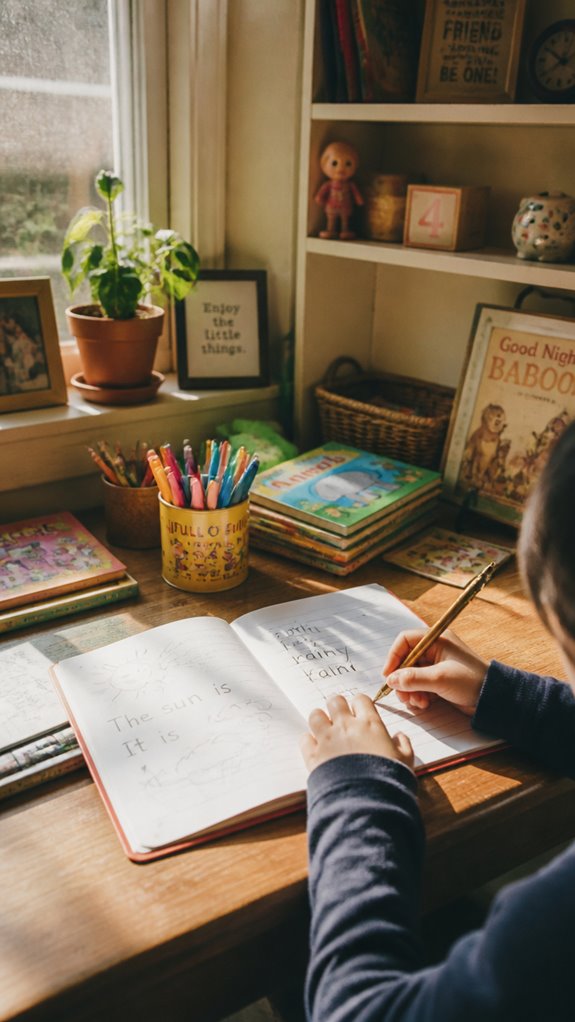
Creating a learning environment that prepares your child for a rapidly changing future means paying close attention to daily routines, space, and interactions. You want to build a space that boosts memory retention by encouraging meaningful review and retrieval of information. Research shows that physical space organization directly influences how effectively children absorb and retain new concepts.
Designing routines and spaces that enhance memory through meaningful review and retrieval fosters confident, adaptable learners.
Social interaction plays a vital role, helping children develop collaboration, empathy, and communication skills essential in an AI-driven world. It’s natural to worry about technology replacing relationships, but the goal is to foster environments where human connection stays central.
Clear routines and purposeful spaces empower your child to manage attention and focus, building resilience and long-term adaptability. Focus on creating consistency, meaningful engagement, and opportunities for social growth.
This foundation gives your child the confidence and capability to navigate a complex, fast-moving future confidently.
The Adaptive Atlas Learning Stack Model
| Core Focus | How It Works |
|---|---|
| Resilience | Instills confidence to handle failure and uncertainty |
| Adaptive Learning | Creates environments that support independent growth |
| Skill Development | Prioritizes flexible, high-value capabilities |
| Personalization | Tunes strategies for each child’s unique strengths |
Building these foundational elements requires intentional design that encourages self-learning habits as children navigate an increasingly complex technological landscape.
The Adaptive Atlas Framework
Five connected systems designed to help parents raise adaptable, future-ready children in a world shaped by AI, automation, and constant change.
| 🛡️ |
Anti-Fragile Child SystemBuilds resilience, adaptability, and the ability to handle uncertainty without shutting down. |
| 📚 |
Learning Stack ModelDevelops self-directed learning habits and continuous skill acquisition beyond school systems. |
| 🚀 |
Future Skill Stack SystemFocuses on high-value human skills that remain relevant in an AI-driven economy. |
| 🤖 |
AI Learning SystemTeaches children how to use AI as a thinking partner instead of becoming dependent on it. |
| 🧭 |
Child Type Navigator SystemPersonalizes learning and development based on each child’s strengths and personality. |
FAQ
How Does Physical Environment Impact a Child’s Resilience to Stress and Failure?
Think of the environment as a fortress; outdoor play and natural lighting strengthen a child’s resilience to stress and failure. These elements empower them to embrace challenges boldly, fostering an inner strength crucial for steering through relentless change confidently.
What Role Does Sensory Environment Play in Supporting Emotional Regulation?
You influence emotional regulation by shaping the sensory environment—calm, consistent stimuli foster emotional balance. By controlling sensory input, you empower children to manage their feelings, build resilience, and develop confidence in exploring their complex, ever-changing world.
How Can Space Organization Foster Long-Term Adaptability and Problem-Solving Skills?
You can foster long-term adaptability and problem-solving skills by creating flexible learning environments and creative spaces. These empower children to explore, experiment, and develop resilience, cultivating independence and innovative thinking essential for steering through constant change effectively.
What Environmental Factors Most Influence Sleep Quality and Recovery in Children?
Start with a sleep hygiene routine and optimize environmental design—dim lighting, cool temperatures, minimal noise—to give kids the best shot at quality sleep. A strong environment fuels their recovery, sharpening resilience and empowering them to face tomorrow’s challenges with confidence.
How Does a Child’s Environment Influence Their Capacity to Collaborate With AI Tools?
Your child’s environment shapes their ability to collaborate with AI tools through strategic technology integration and fostering peer interaction. A supportive environment cultivates independence, critical thinking, and adaptability, empowering them to leverage AI as a powerful partner in learning and creation.
References
- https://www.eocdcs.org/how-to-create-a-learning-friendly-environment-at-home/
- https://www.educatly.com/blog/729/creating-a-home-environment-that-supports-learning
- https://kidcreate.com/blog?post=how-to-create-a-learning-friendly-environment-copy1
- https://headstart.gov/learning-environments/article/learning-home-homelike-environments
- https://www.dpi.nc.gov/rethink-education-how-create-home-learning-environment-guide/download?attachment
- https://www.zerotothree.org/resource/healthy-development-starts-at-home-six-steps-to-building-a-nurturing-home-environment/
- https://pmc.ncbi.nlm.nih.gov/articles/PMC5116303/
- https://epi.org.uk/publications-and-research/the-importance-of-supporting-the-home-learning-environment-in-the-early-years/
- https://www.vaia.com/en-us/explanations/medicine/public-health/pediatric-neuroplasticity/
- https://care.choc.org/pediatric-medicine-in-the-world-of-artificial-intelligence/