How Do You Actually Build Discipline That Sticks?
Build discipline through consistent routines, meaningful choices, and clear boundaries. Habits form in roughly two months with environmental consistency and reward systems. Long-term, system-based strategies fuel lasting growth, preparing kids for genuine independence and resilience beyond childhood.
I watched my nephew Lucas struggle with morning routines until we implemented a visual checklist system. Within weeks, he went from constant reminders to self-directed mornings. That’s when I realized discipline isn’t punishment. It’s scaffolding. At Adaptive Atlas, we document these moments because parents deserve actionable strategies rooted in real family life, not theoretical parenting speak.
My daughter once forgot her homework three times in one week. Instead of lecturing, we built a launch station together by the door. She owned it. She decorated it. Suddenly, accountability became her idea, not mine. That experience taught me that systems beat willpower every single time.
Quick Takeaways
- Establish consistent routines and habits to create stability, discipline, and confidence in children.
- Provide meaningful choices to foster decision-making skills and promote autonomous motivation.
- Clearly communicate limits with rationales, maintaining consistency to build trust and emotional resilience.
- Encourage resilience by exposing children to controlled challenges and viewing setbacks as growth opportunities.
- Use long-term, intentional strategies that combine routines, habits, and resilience-building to prepare children for future success.
How to Build Routines That Help Kids Stay Disciplined
Building routines that help kids stay disciplined might seem challenging at first, especially when many parents worry about creating strict schedules. But the goal isn’t rigidity; it’s about establishing patterns that support independence and adaptability.
Motivational techniques, like framing routines as empowering choices, help children see their role in shaping their day. Sleep routines are especially vital because quality rest fuels focus and resilience for future challenges.
When children know what to expect, they gain a sense of stability, enabling them to handle uncertainty better. Instead of micromanaging every step, focus on consistent, simple routines that promote self-regulation.
Over time, these patterns build a foundation of discipline and confidence, empowering children to navigate a world of continuous change with independence and resilience. As traditional jobs continue to shift, the ability to adapt and maintain discipline will be increasingly important for their success.
Simple Ways to Give Your Child Confidence Through Choices
Giving your child confidence through choices is a powerful way to foster independence and resilience. When kids decide for themselves, they experience choice empowerment, which builds decision autonomy.
This helps them see themselves as capable and trusted to handle challenges. You might fear that too many options will overwhelm them, but in reality, structured choices teach filtered decision-making and problem-solving skills.
By offering simple, meaningful choices—like selecting a snack or choosing between activities—you give them a sense of control and ownership over their actions.
This practice encourages your child to trust their judgment and develop a long-term mindset for adaptability. Over time, decision autonomy becomes a foundation for future confidence, helping them navigate change with ease and resilience. Building a strong portfolio of experiences through these choices demonstrates to your child what they’re truly capable of beyond traditional measures like grades.
Effective Strategies to Reinforce Good Behavior and Set Limits
Setting clear boundaries is essential for guiding your child’s behavior and helping them develop self-discipline. When you set limits, you’re teaching emotional resilience—the ability to handle setbacks and challenges confidently. Encouraging your child to make independent choices within these boundaries helps them develop critical thinking skills and resist peer pressure.
Here are four effective strategies:
- Clearly explain the boundaries and the reason behind them.
- Stay consistent in enforcing limits to build trust and predictability.
- Use calm, firm language that models emotional resilience and respect.
- Offer choices within boundaries to foster independence and decision-making skills.
Discipline Building System for Kids
Have you ever wondered how some children develop self-control and accountability naturally, even in tough situations? It’s rooted in a systemic approach that fosters emotional resilience and autonomous motivation.
Instead of relying on punishments or strict rules, you can build a discipline system that empowers your child to manage their actions confidently. This system encourages them to see challenges as opportunities to grow, strengthening their ability to stay engaged and recover from setbacks. When children embrace challenges as part of their development journey, they build the mental toughness needed to persist through difficulties.
Create a discipline system that fosters confidence, resilience, and growth through positive challenges and supportive guidance.
By focusing on nurturing internal motivation and resilience, you help your child develop a sense of purpose and independence. This approach prepares them for a future where adaptability and self-direction are key.
Keep in mind, consistent, thoughtful patterns create a lasting foundation for a child’s long-term capacity to thrive.
Empirical Studies on Habit Formation
Understanding how habits form is essential because it shows us that consistent practice over time turns actions into automatic behaviors. When children repeat behaviors regularly, they strengthen neural pathways that lead to habit automation. This process can happen surprisingly quickly, often within two months, especially for simple actions. To grasp this fully, consider:
- Repetition in a stable environment helps embed habits faster.
- Mild, sustained incentives foster longer-lasting habits.
- Self-chosen routines increase early habit strength.
- Consistency, even with occasional misses, keeps progress steady.
- The amount of practice and the context in which behaviors occur both influence how quickly habits develop factors influencing habit development.
These perspectives tell us that forming habits isn’t about quick fixes but about creating reliable systems. When parents focus on building routines with patience and clarity, they help their children develop the neural pathways for habits that serve them far into the future. Through learning together effectively, parents can model discipline and reinforce positive behaviors that become the foundation for their children’s success.
Consistency Challenges in Routines
Even when routines are established, maintaining consistency can remain a challenge for many families. It’s natural to worry about whether your child is developing emotional resilience or whether habits are sticking. But remember, consistency isn’t about perfection; it’s about habit reinforcement over time. Children thrive when they see reliable patterns since predictability builds trust and security, which are essential for long-term adaptability. Long-term education planning requires the same commitment to consistency that builds these foundational routines at home.
When routines falter, instead of frustration, view it as an opportunity to guide your child through small disruptions, strengthening their resilience. Consistency develops not just discipline but confidence and flexibility — skills that will serve them in a world full of change.
Focus on steady, intentional systems, and trust that over time, durable habits will take root, preparing them for a future of ongoing growth.
The Adaptive Atlas Anti-Fragile Child System
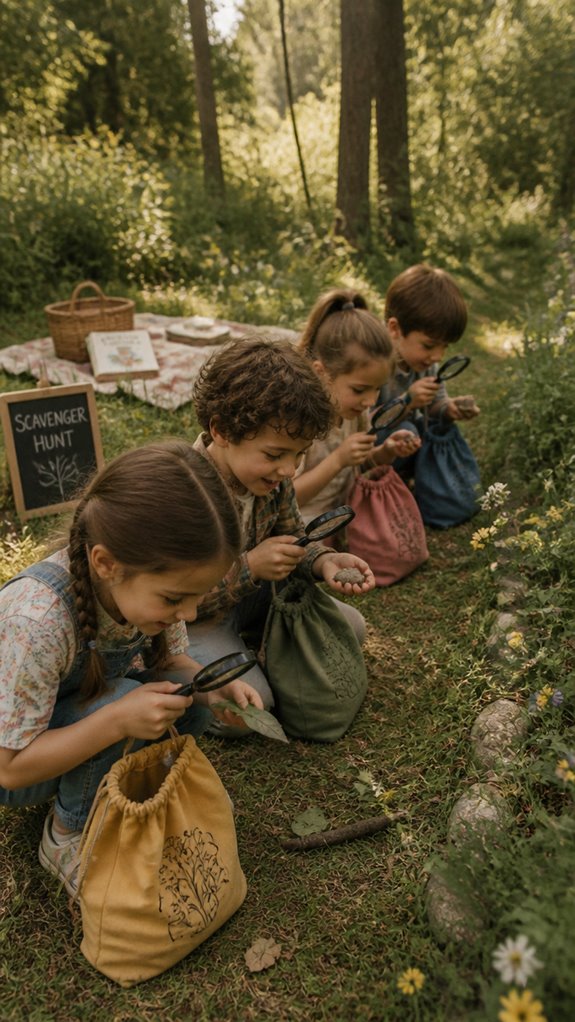
Building resilience in children starts with a foundation focused on handling uncertainty and setbacks. This system, called the Adaptive Atlas Anti-Fragile Child System, helps develop a growth mindset and emotional resilience. Here’s what it emphasizes:
- Embracing challenges as opportunities to grow, not threats.
- Teaching children to stay calm and recover quickly from setbacks.
- Encouraging curiosity and experimentation in learning, building confidence.
- Fostering independence so children trust their ability to adapt.
Fear of an unpredictable future is common, but it’s best reframed as an opportunity for long-term capability building. This approach helps children see setbacks as stepping stones, empowering them to be flexible and future-ready. The anti-fragile child system strengthens children by exposing them to controlled stressors that build confidence rather than diminish it.
It’s about creating a mindset that thrives amid change, not fights against it.
The Full Adaptive Atlas Framework
What if the way we think about raising children needed to change dramatically? The Full Adaptive Atlas Framework offers a clear, practical system for building resilient kids ready for constant change.
It centers on developing emotional resilience—so children can handle uncertainty and setbacks—and fostering autonomous motivation, encouraging kids to learn and grow driven by their curiosity, not external rewards.
Instead of linear plans, the framework flows as connected layers: from building anti-fragility, to enabling self-directed learning, to cultivating future skills.
It adjusts to each child’s unique strengths, with AI as a supportive tool—not a threat.
This long-term approach provides parents with a steady, manageable way to prepare children for an unpredictable, progressively changing future—grounded, intentional, and empowering.
The Adaptive Atlas Framework
Five connected systems designed to help parents raise adaptable, future-ready children in a world shaped by AI, automation, and constant change.
| 🛡️ |
Anti-Fragile Child SystemBuilds resilience, adaptability, and the ability to handle uncertainty without shutting down. |
| 📚 |
Learning Stack ModelDevelops self-directed learning habits and continuous skill acquisition beyond school systems. |
| 🚀 |
Future Skill Stack SystemFocuses on high-value human skills that remain relevant in an AI-driven economy. |
| 🤖 |
AI Learning SystemTeaches children how to use AI as a thinking partner instead of becoming dependent on it. |
| 🧭 |
Child Type Navigator SystemPersonalizes learning and development based on each child’s strengths and personality. |
FAQ
How Can Parents Adapt Discipline Strategies for Different Developmental Stages?
You adapt discipline strategies by using age-appropriate practices, recognizing your child’s developmental needs, and maintaining consistency. This empowers both of you to foster independence, resilience, and adaptability, creating a supportive environment that prepares your child for future challenges.
What Role Does Emotional Intelligence Play in Long-Term Discipline?
Ever wonder how emotional intelligence fuels discipline? By mastering emotional regulation and social awareness, you empower your child to navigate frustrations constructively, fostering resilience and self-control, leading to sustainable, long-term self-discipline and authentic personal growth.
How Do Cultural Differences Influence Discipline Approaches?
Cultural norms shape Parenting styles, influencing discipline approaches based on shared values and beliefs. Embracing these differences allows you to create a flexible, empowering parenting strategy that respects your child’s identity and promotes independent, adaptable growth.
Can Excessive Discipline Lead to Children’s Resistance or Rebellion?
Excessive discipline through punitive measures fosters overcontrol, which can provoke rebellion and resistance. Instead, embrace empowerment and understanding, allowing children to develop autonomy. This approach nurtures long-term resilience, curiosity, and a healthier, more liberated parent-child relationship.
How to Balance Autonomy and Limits Without Creating Confusion?
Studies show that balanced autonomy support and limit setting boost kids’ trust and independence. You can achieve this by clearly communicating boundaries while allowing choices, fostering a sense of liberation without confusion or resentment, encouraging growth and confident decision-making.
References
- https://montessori-academy.com/blog/10-effective-tips-for-teaching-children-self-discipline/
- https://www.militaryonesource.mil/parenting/new-parents/tips-for-disciplining-your-child/
- https://www.healthychildren.org/English/family-life/family-dynamics/communication-discipline/Pages/Disciplining-Your-Child.aspx
- https://pmc.ncbi.nlm.nih.gov/articles/PMC2719514/
- https://academyofscholars.com/wish-your-kids-had-more-discipline-try-these-7-tips/
- https://thrivingkidsconnection.com/helping-children-develop-self-discipline/
- https://www.nyp.org/healthlibrary/multimedia/4-tips-to-encourage-self-discipline-in-kids
- https://www.youtube.com/watch?v=4vUm8xKo-UE
- https://www.cmu.edu/dietrich/sds/docs/loewenstein/HabitChildren.pdf
- https://pmc.ncbi.nlm.nih.gov/articles/PMC11641623/