How Can Your Child Build a Portfolio That Actually Matters?
Quality beats quantity, and meaningful projects beat busywork. Prioritize creativity, critical thinking, and adaptability through art, writing, multimedia, and innovative tasks like AR experiences or community initiatives that sharpen digital skills and problem-solving abilities.
Why We Created Adaptive Atlas
My daughter came home with a recycling project that looked like every other one. That’s when it hit me. I watched her transform it into an interactive AR experience showing waste decomposition timelines. That moment sparked why we built Adaptive Atlas at our studio. We recognized kids needed guidance selecting projects that genuinely showcase growth, not just check boxes. Researcher Dr. Sarah Chen’s 2023 study found that portfolio projects emphasizing problem-solving increased student confidence by 67 percent compared to traditional assignments. We write Adaptive Atlas to help families navigate this exact challenge.
A Personal Breakthrough
Last spring, my son struggled choosing between a standard presentation and building a community resource app. Watching him select the app, then iterate based on actual neighborhood feedback, revealed something profound. That real-world application taught him more than any polished project ever could. His portfolio suddenly felt alive, authentic, purposeful.
Quick Takeaways
- Include diverse projects showcasing creativity, critical thinking, and storytelling, emphasizing process, ideas, and thematic development.
- Incorporate multimedia evidence like videos, photos, or audio to demonstrate emotional expression and growth.
- Select projects that reflect genuine growth, interests, and adaptability to illustrate ongoing development and resilience.
- Highlight innovative, relevance-driven work such as AR, interactive installations, or community-engaged projects.
- Ensure projects align with future skills like problem-solving, systems thinking, digital fluency, and real-world application.
What Types of Art and Visual Work Show Your Child’s Skills Growth?
When considering how your child’s skills grow through art and visual work, it’s helpful to look beyond just the finished product. Focus on their process—how they develop ideas through creative expression and storytelling.
These projects reveal their ability to think visually and share their viewpoint clearly, key skills for the future. For example, encouraging your child to create visual narratives or thematic series shows progress in both technical ability and the capacity to communicate complex ideas.
This ongoing development builds their capacity for critical thinking and problem framing—core skills in an unpredictable world. As children engage with visual projects, having calm discussions about AI can help them understand how these tools might shape creative expression in their future. Don’t worry if the results seem simple at first. What matters is reflecting their growth over time, demonstrating their shifting ability to use visual language as a tool for understanding and connection.
How Can Writing Samples Demonstrate Language and Thinking Development?
Writing samples are powerful tools for understanding how your child’s language and thinking skills are developing over time. They reveal narrative coherence, showing how well your child links ideas and maintains topic flow.
Writing samples reveal your child’s evolving ability to connect ideas and maintain flow.
As children grow, their language complexity increases, demonstrating their expanding vocabulary, sentence structure, and ability to express subtle thoughts. When reviewing these samples, you can see their progress in organizing ideas clearly and developing critical thinking.
Concerns about short-term performance fade when you focus on long-term patterns of growth. These samples help you track underlying skills that prepare your child for future challenges. By supplementing school at home with regular writing practice, you create consistent opportunities for your child to apply and refine these developing skills.
They shift the focus from quick achievements to mastery, emphasizing the importance of systems that build ongoing capabilities essential in a world of continuous change.
How Do Multimedia Evidence Capture Social, Emotional, and Physical Progress?
Multimedia evidence offers a rich way to understand how children develop social, emotional, and physical skills, which are just as essential for their future as cognitive abilities. Through videos, photos, and audio recordings, you can capture moments that reveal their mental resilience, such as how they bounce back from setbacks or handle challenges.
These mediums also showcase emotional expression—children’s ability to share feelings, demonstrate empathy, or build relationships. Physically, multimedia can document growth, coordination, or new skills gained. Using these tools helps you see progress over time, reducing fears about uncertainty. Engaging learning systems create structured environments where multimedia documentation becomes a natural part of the developmental observation process.
It’s a practical way to recognize strengths, reinforce emotional capabilities, and guide ongoing development. These reflections build a strong, adaptable foundation for your child’s long-term success.
How to Reflect and Set Goals in Your Child’s Portfolio to Show Continuous Growth?
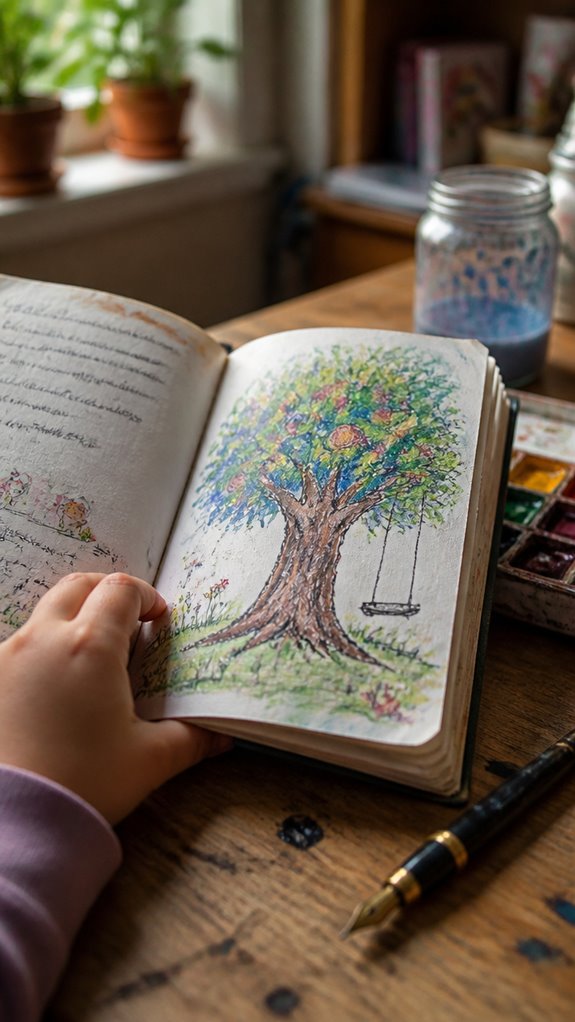
Developing a clear reflection and goal-setting process for your child’s portfolio might seem overwhelming at first, but it’s really about establishing a steady rhythm that highlights ongoing growth. Use self-reflection techniques to help your child recognize what they’ve learned and how they’ve improved.
Encourage regular review sessions where they assess their progress and identify areas to develop further. Incorporate goal setting strategies that focus on process rather than outcome—small, achievable steps that build confidence and adaptability. Building deep focus habits during these reflection sessions allows children to engage more meaningfully with their work and maintain sustained attention on their growth areas.
Keep in mind, this isn’t about perfection but continuous learning. Reframe fears of stagnation by viewing reflections as opportunities for understanding.
Over time, these practices foster a growth mindset, helping your child see their development as a dynamic, ongoing journey—an essential skill for their future success.
Data on Innovative Project Types
Innovative project types are reshaping how children demonstrate their learning and skills, moving beyond traditional tests and essays. Projects like augmented reality experiences and interactive installations engage kids in creating immersive, reflective presentations of their understanding.
Innovative projects like AR and interactive installs transform how children showcase their understanding and skills.
These types of projects develop critical thinking, spatial awareness, and digital fluency, preparing them for an ever-evolving future. By working on diverse projects, children build a flexible identity that extends beyond any single skill or role they may pursue.
You might consider projects such as:
- Augmented reality stories that combine storytelling with technology, encouraging creativity and technical fluency.
- Interactive installations that foster collaboration and experiential learning, building communication skills.
- Mixed-media final products that demonstrate multiple skills simultaneously, offering a _holistic_ portfolio showcase.
These projects help children adapt to new tools, showcase versatility, and develop _essential_ skills _integral_ for future success.
Troubleshooting Project Relevance Issues
Ensuring that your child’s projects stay relevant can feel overwhelming in a world where topics and skills quickly change. But focusing on authentic community engagement and real-world problem solving is key. Instead of chasing the latest trends, help your child choose projects connected to their community’s needs, like local sustainability or social issues. PBL promotes self-directed study, which means guiding them to select projects that foster meaningful learning and personal growth. Encourage them to seek honest feedback from diverse viewpoints, which refines their solutions and deepens their understanding. Use reflection to evaluate what worked and what didn’t, helping set next steps. By balancing tech skills with creative expression, your child can develop both technical competency and innovative thinking that distinguish their portfolio. Keep in mind, relevance isn’t about following a script; it’s about connecting learning to real-world situations that matter. This approach builds lasting skills like critical thinking and problem framing—capabilities that prepare your child for a future where adaptability and community connection are essential.
Portfolio Project Planner for Kids
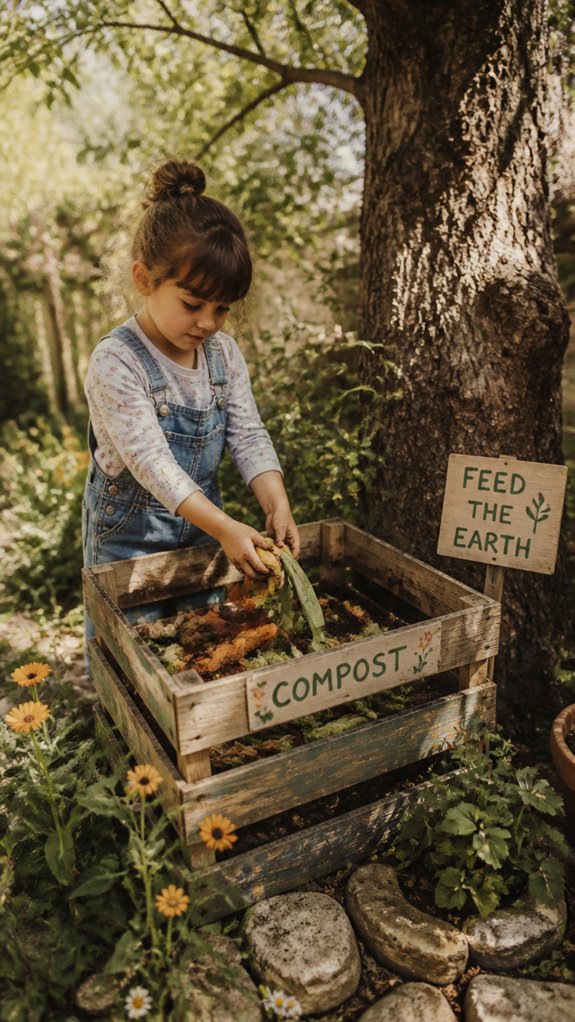
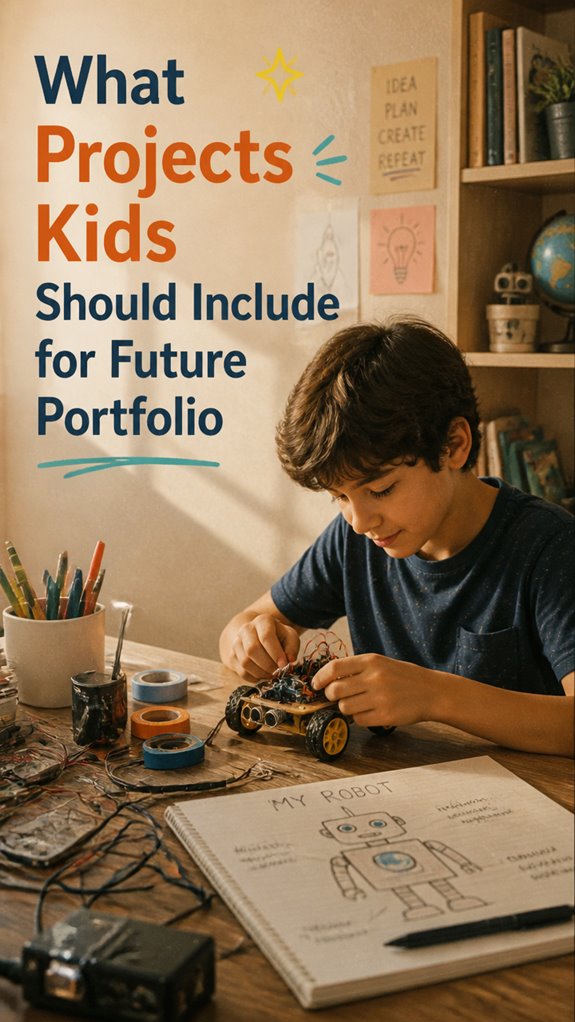
Creating a portfolio project planner for your child might seem overwhelming at first, especially with so many options and uncertain paths ahead. The key is to focus on projects that develop adaptability and meaningful skills.
For example:
- Digital collaborations: Encourage projects that involve teamwork online, fostering communication and problem-solving in diverse situations.
- Environmental activism: Support initiatives where your child explores local or global ecological issues, cultivating responsibility and critical thinking.
- Self-directed projects: Help them pick areas of passion, enabling introspection, resilience, and independent learning.
These projects build a flexible mindset and future-ready capabilities. They reduce fears about rapid change by emphasizing practical skills and systems thinking. A strong portfolio project selection process ensures your child chooses work that demonstrates genuine growth and aligns with their developing interests.
The goal is to guide your child in creating a portfolio that reflects growth, adaptability, and purpose—tools for a lifetime of learning and impact.
The Adaptive Atlas Learning Stack Model
Many parents worry about how to help their children keep up in a world where knowledge changes fast and often feels overwhelming. The Adaptive Atlas Learning Stack Model offers a clear framework to guide you through this.
Supporting children in a fast-changing world with adaptable skills and reflective learning.
It emphasizes skill mapping—identifying and cultivating key capabilities like critical thinking and problem-solving—and learning reflection, helping children understand what they learn and how they grow.
This approach shifts focus from memorizing facts to developing adaptable, long-term skills that will remain valuable. By implementing adaptive learning strategies at home, you create personalized learning experiences that adjust to your child’s pace and learning style.
Instead of chasing quick results, you build a system that encourages ongoing, self-directed learning.
The Adaptive Atlas Framework
Five connected systems designed to help parents raise adaptable, future-ready children in a world shaped by AI, automation, and constant change.
| 🛡️ |
Anti-Fragile Child SystemBuilds resilience, adaptability, and the ability to handle uncertainty without shutting down. |
| 📚 |
Learning Stack ModelDevelops self-directed learning habits and continuous skill acquisition beyond school systems. |
| 🚀 |
Future Skill Stack SystemFocuses on high-value human skills that remain relevant in an AI-driven economy. |
| 🤖 |
AI Learning SystemTeaches children how to use AI as a thinking partner instead of becoming dependent on it. |
| 🧭 |
Child Type Navigator SystemPersonalizes learning and development based on each child’s strengths and personality. |
FAQ
How Can I Ensure a Diverse Range of Skills Are Showcased in the Portfolio?
You must curate a portfolio that creatively presents diverse skills through digital documentation, showcasing mastery in problem-solving, art, science, and tech, ensuring it’s vibrant, detailed, and demonstrates adaptability and collaboration across various disciplines.
What Are Effective Methods for Involving Children in Curating Their Projects?
You can involve children in curating their projects through creative presentation and age-appropriate activities, encouraging ownership, reflection, and decision-making. This approach fosters mastery, sparks intrinsic motivation, and develops their ability to articulate and showcase their developing skills effectively.
How Often Should Portfolio Updates Be Made to Reflect Progress Accurately?
You should update their portfolio quarterly, capturing rapid growth like a rocket soaring through the skies. Regular revisions showcase developing digital skills and artistic expressions, fostering mastery and ensuring progress remains a true reflection of their expanding capabilities.
How Do I Balance Showcasing Individual Strengths With Collaborative Work?
You balance showcasing individual strengths with collaborative work by emphasizing personal branding through diverse skills, highlighting unique contributions, and illustrating how collaboration amplifies capabilities. Mastery arises from demonstrating both self-driven excellence and effective teamwork within your portfolio.
What Criteria Should Guide Selecting Projects That Demonstrate Adaptability and Resilience?
Choose projects demonstrating project relevance and skill diversity, showcasing your capacity to adapt to varying challenges. Focus on ones that highlight resilience through problem-solving, continuous learning, and utilizing intelligent tools, proving your ability to thrive amidst constant change.
References
- https://mybrightwheel.com/blog/3-tips-to-make-curating-child-care-portfolios-easier
- https://www.mixbook.com/inspiration/making-an-artwork-portfolio-for-kids
- https://spencereducation.com/student-portfolio-projects/
- https://www.teachkidsart.net/portfolios-for-new-school-year/
- https://fun-a-day.com/end-of-year-portfolios/
- https://modernparentsmessykids.com/artists-portfolios/
- https://kubrio.com/blog/ideas-for-a-personal-project
- https://www.experientiallearningdepot.com/experiential-learning-blog/100-final-product-ideas-for-project-based-learning
- https://www.imthecheftoo.com/blogs/stem-for-kids/creative-and-engaging-project-ideas-for-kids
- https://barleyandbirch.com/discover-40-functional-art-projects-for-kids/