
How Can Parents Actually Bridge the Gap Between School and Home Learning?
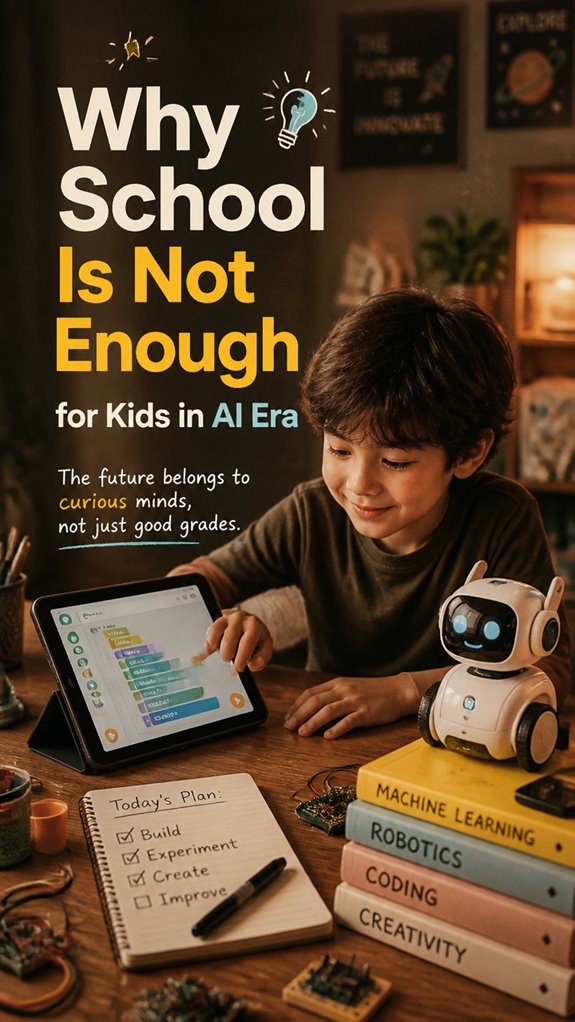
Create a structured home environment with clear routines. Use hands-on activities like building projects and experiments. Mix in digital tools strategically. Celebrate wins frequently. Connect learning to what your kid actually cares about.
Why We Built Adaptive Atlas for Real Families
My daughter spent three months stuck on fractions. Not because she lacked ability, but because worksheets felt pointless. One afternoon, we baked together. Suddenly fractions clicked. That moment sparked why we created Adaptive Atlas. We wanted families to skip the frustration and hit the “aha” moments faster. The platform adapts to your child’s actual learning pace, not some one-size-fits-all schedule.
The Kitchen Experiment That Changed Everything
Last Tuesday, my son refused math homework. We grabbed baking soda, vinegar, food coloring. Thirty minutes later, he’d discovered volume, reaction rates, and viscosity without realizing it. His attitude shifted instantly. Now he asks when we’re doing “kitchen science” again. That’s when learning sticks.
Quick Takeaways
- Create a structured, calm learning environment with clear routines and designated sensory zones to support independence and emotional regulation.
- Incorporate hands-on, exploratory activities like building and art to reinforce learning and foster creative problem-solving.
- Use digital tools and AI responsibly to scaffold skills and promote critical thinking and responsible technology use.
- Encourage a growth mindset by celebrating effort, setting achievable goals, and connecting learning to children’s passions.
- Focus on developing resilience and self-directed mastery through continuous exploration and adaptable skill-building strategies.
How to Identify and Fill Gaps in Your Child’s Learning
Noticing gaps in your child’s learning can feel overwhelming, but it’s an important step toward future-ready capability. Instead of focusing on what they lack, use skill assessment as a clear tool to identify areas for growth.
Recognizing learning gaps is key to nurturing resilience and adaptability for an uncertain future.
Observe how your child approaches new challenges and note where they hesitate or struggle. These signals highlight which skills need reinforcement—like critical thinking, problem-solving, or self-directed learning.
By diagnosing learning gaps calmly and systematically, you gain control over their development, shifting from reactive to proactive. Remember, every child has unique strengths. Filling gaps isn’t about fixing flaws, but about building resilience and adaptability that prepare them for an uncertain future. Understanding how AI is changing work can help you prioritize which skills matter most for your child’s long-term success.
This process creates a foundation for long-term growth and confidence, essential for steering through constant change.
Setting Up a Calm, Organized Space for Home Learning
Creating a calm, organized space for your child’s home learning is a key step toward supporting their ability to adapt and succeed in a rapidly changing world. Establishing clear organizational routines helps your child know what to expect, reducing stress and fostering independence.
Designate specific sensory zones—such as a quiet corner or a textured area—to help them regulate emotions and focus. Many parents worry about providing the perfect environment, but consistent routines and simple sensory zones create stability that fuels long-term capability.
This setup encourages your child to build resilience and problem-solving skills, essential for steering through uncertainty. As the world becomes increasingly driven by technology, developing critical thinking abilities alongside structured learning spaces prepares children to thrive in unpredictable environments. Remember, a structured space isn’t just about cleanliness—it’s about creating a foundation for adaptable, confident learners prepared for the future.
Fun Hands-On Activities to Reinforce What They Learn
Engaging children in fun, hands-on activities is a powerful way to reinforce what they learn and build essential skills for the future. These activities foster creative problem solving and hands-on experimentation, helping your child develop critical thinking in a natural way.
You might encourage them to build simple machines, experiment with cooking, or create art projects that connect with their school lessons.
This approach shifts focus from rote memorization to exploring ideas actively, which strengthens their capacity to adapt and learn new skills. Research shows that project-based learning significantly outperforms traditional instruction methods in developing deeper understanding and retention.
Keep in mind, it’s normal to feel unsure about balancing fun and learning. By staying calm and intentional, you set a foundation for your child to become a confident, flexible thinker, ready for the challenges ahead.
Using Digital Tools and Resources to Support Growth
Using digital tools and resources can feel overwhelming at first, especially when many platforms promise quick fixes or instant results. But as a parent, your goal is to focus on supporting growth through digital scaffolding—building your child’s skills step by step.
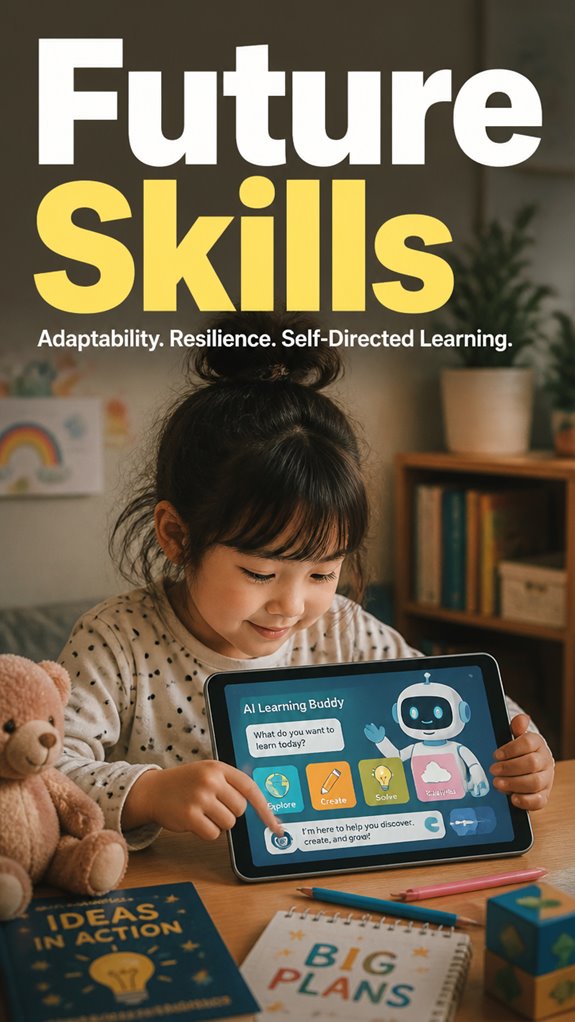
Skill scaffolding involves providing just enough challenge and support so they learn independently and adapt to new situations. Think of AI-driven apps or online learning platforms as tools to activate this process, not replace it.
By intentionally selecting resources aligned with your child’s development, you help them hone critical thinking, problem-solving, and adaptability—key capabilities for the future. When children engage with these tools while exploring their purpose and direction, they develop a stronger sense of meaning alongside their academic skills.
Keep in mind, it’s about creating a connected system that fosters long-term resilience, not quick fixes. Your consistent approach builds a foundation anyone can rely on in an uncertain world.
Motivating Your Child to Stay Curious and Engaged

It’s natural for parents to worry when children seem distracted or disinterested, especially in a world filled with endless entertainment. But instead of focusing on controlling their attention, shift toward fostering intrinsic motivation.
When children see value in learning for its own sake, they develop a growth mindset—believing effort leads to improvement. Encouraging curiosity as a core driver helps children stay engaged long-term.
Set challenging but achievable goals, celebrate progress, and emphasize learning as a journey, not just a score. This approach builds resilience and independence, essentials for future adaptability.
Tools like AI-powered creative platforms can help supplement traditional learning by providing interactive ways for children to explore subjects hands-on. Keep in mind, the goal isn’t immediate compliance, but cultivating a love for discovery that empowers children to navigate constant change confidently and stay connected to their curiosity.
Parent-Led AI Integration Strategies
Many parents worry about balancing their child’s screen time with learning, especially as AI tools become more accessible. It’s natural to feel uncertain about integrating these new tools responsibly.
Focus on AI ethical considerations—teach your child about thoughtful use, respecting privacy, and understanding AI’s impact on society.
Instead of just using AI for quick answers, guide them toward future skill assessments like critical thinking and decision-making, which remain valuable even as technology evolves. Building future-ready skills early prepares children to adapt and thrive as technology continues to transform the workplace and society.
Use AI as a partner in learning, not a replacement for independence. Maintain a calm, confident approach to technology, emphasizing long-term capabilities over short-term fixes.
This helps your child develop resilience and adaptability, essential skills for steering through a world shaped by AI and constant change.
Child-Centered Inquiry-Based Methods
Parenting in the modern world can feel overwhelming, especially when it comes to supporting your child’s learning in a way that genuinely prepares them for the future.
Child-centered inquiry-based methods put your child in the driver’s seat, fostering curiosity and critical thinking. Use question scaffolding to guide their exploration without giving answers, helping them build confidence in their ability to discover solutions independently.
Inquiry journaling encourages your child to record questions, hypotheses, and findings, turning exploration into a habit that develops resilience and love for learning. Understanding how children recognize and process emotions during this exploratory process helps parents provide appropriate support and encouragement.
This approach shifts focus from passive listening to active participation, equipping your child with skills essential for steering constant change.
By promoting active engagement through inquiry, parents can create a growth mindset environment that nurtures their child’s adaptability and problem-solving skills.
It’s a practical way to help them become adaptable thinkers, ready to thrive in an uncertain future.
Addressing Motivation and Persistence
2. Break tasks into manageable steps, celebrating each achievement to build momentum. This approach reduces feelings of overwhelm and encourages ongoing effort through small, achievable milestones. Limiting excessive screen time during study sessions helps children maintain better concentration and engagement with academic content.
3. Praise effort and strategies instead of innate ability, encouraging resilience and continuous improvement. Recognizing the process fosters a growth mindset and motivates children to persist through challenges.
4. Allow children to connect tasks to their passions and give them choices, fostering a sense of agency. This engagement increases motivation and helps children see the relevance of their learning experiences.
Home Learning Upgrade Toolkit

In today’s world, supporting your child’s learning at home isn’t about adding more tasks; it’s about upgrading the way they learn daily. The Home Learning Upgrade Toolkit focuses on building a strong mindset and effective time management.
Kids need to see learning as a continuous, adaptable journey—not just isolated tasks. By fostering a growth mindset, you help them embrace challenges, see failure as feedback, and develop resilience.
Simultaneously, teaching simple time management skills empower them to take ownership of their learning process. These systems give your child clarity and confidence, helping them navigate uncertainty and change. Selecting effective learning tools tailored to your child’s needs can significantly enhance their ability to practice these skills independently at home.
Keep in mind, your role is to guide, not to control. A structured, calm approach creates the focus needed for your child to thrive now and in the future.
The Adaptive Atlas Learning Stack Model
The Adaptive Atlas Learning Stack Model offers a clear framework for helping children thrive in a world where knowledge is constantly changing. You might worry about keeping up with rapid change, but this system focuses on empowering your child to develop cognitive resilience and self-directed mastery. While traditional education provides structure and foundational knowledge, supplementing it with this model ensures your child develops the adaptability needed for modern success.
Here’s what it emphasizes:
- Building Anti-Fragile Kids – fostering the ability to handle uncertainty and bounce back from setbacks.
- Creating Learning Loops – encouraging independent exploration and continuous skill growth.
- Prioritizing Future-Relevant Skills – cultivating critical thinking, creativity, and decision-making.
- Integrating AI as a Partner – teaching children to use intelligent tools for leverage, not dependence.
This approach shifts your focus from fixed knowledge to adaptable skills, helping your child confidently navigate an uncertain future.
The Adaptive Atlas Framework
Five connected systems designed to help parents raise adaptable, future-ready children in a world shaped by AI, automation, and constant change.
| 🛡️ |
Anti-Fragile Child SystemBuilds resilience, adaptability, and the ability to handle uncertainty without shutting down. |
| 📚 |
Learning Stack ModelDevelops self-directed learning habits and continuous skill acquisition beyond school systems. |
| 🚀 |
Future Skill Stack SystemFocuses on high-value human skills that remain relevant in an AI-driven economy. |
| 🤖 |
AI Learning SystemTeaches children how to use AI as a thinking partner instead of becoming dependent on it. |
| 🧭 |
Child Type Navigator SystemPersonalizes learning and development based on each child’s strengths and personality. |
FAQ
How Can Parents Effectively Monitor Their Child’s Progress Outside of School Assessments?
Keep in mind, “what gets measured gets managed.” Use home-based assessments to gauge growth and foster parent-teacher collaboration, empowering you to track progress actively, identify gaps, and strengthen your child’s developing capabilities confidently and intentionally.
What Are Signs That a Child Is Struggling With Specific Subjects or Skills?
Watch for early warning signs like withdrawing from tasks, inconsistent performance, or repeated errors—these indicate academic difficulties. Recognizing these signals empowers you to intervene early, reinforcing skills and reinforcing your child’s resilience and mastery in specific subjects.
How Can Parents Balance Screen Time With Offline Learning Activities?
You set clear digital boundaries and implement activity scheduling, like dedicating tech-free evenings for family games, empowering your child to balance screen time with offline learning activities, cultivating independence, focus, and adaptability in a rapidly changing world.
What Strategies Help Children Develop Resilience in Face of Learning Setbacks?
You empower your child by providing consistent emotional support, fostering a growth mindset that views setbacks as opportunities. Encourage perseverance, celebrate effort, and model resilience to develop their capacity to face challenges confidently.
How Can Parents Tailor Learning Activities to Match Their Child’s Unique Interests?
You unleash your child’s potential by designing creative projects that resonate with their interests, transforming personalized learning into a powerful catalyst for growth. Harness this approach to ignite passion, cultivate independence, and shape a future-proof, adaptable learner.
References
- https://www.yourmodernfamily.com/supplement-learning/
- https://blogs.studentlife.utoronto.ca/intersections/2020/09/01/resources-to-supplement-your-childs-remote-learning/
- https://outschool.com/articles/5-ways-supplement-homeschooling
- https://www.focusonthefamily.ca/content/10-ways-to-boost-your-childs-academic-potential
- https://www.flexed.ca/strategies-for-parents-of-home-based-students/
- https://www.tuttletwins.com/blogs/blog/how-to-supplement-public-education-with-home-learning
- https://www.theartofsimple.net/the-public-school-parents-guide-to-learning-at-home/
- https://www.myteachingcupboard.com/blog/what-is-inquiry-based-learning-in-early-childhood
- https://childrensdiscoverycenters.com/blog/inquiry-based-learning/
- https://academyofscholars.com/boost-your-childs-education-with-inquiry-based-learning/