How Can You Strengthen Your Child’s Emotional Resilience?
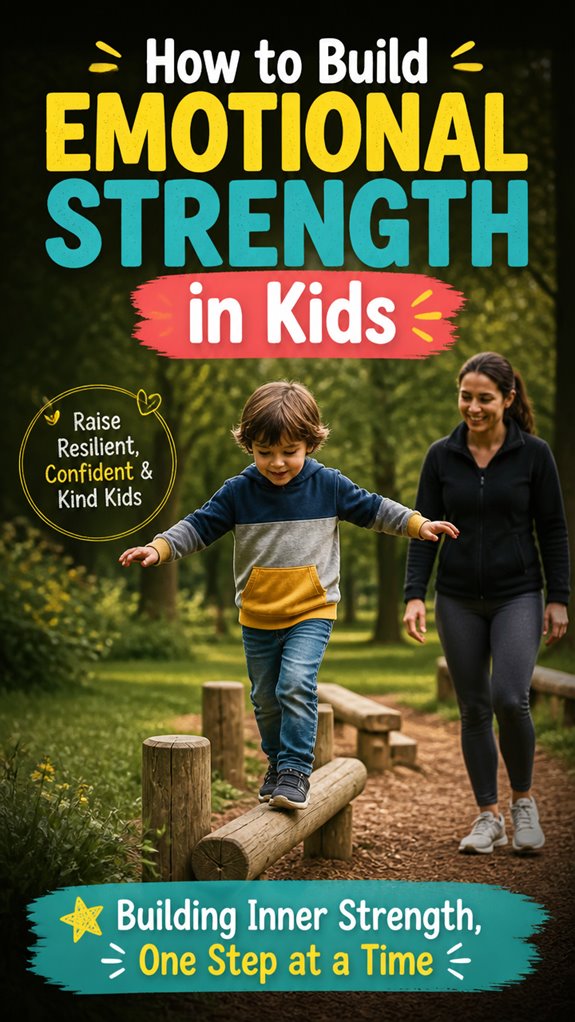
Building emotional strength means teaching kids to recognize feelings, problem-solve independently, and view setbacks as growth. Creative outlets, mindfulness practices, and consistent routines create the foundation. When you normalize stress through storytelling and empathy, you equip children with actual tools for life’s curveballs.
A Moment That Changed Everything
My daughter froze during her soccer match. Tears. The works. Instead of fixing it, I sat with her afterward and asked what happened inside her body. She named it: scared, frustrated, small. That conversation sparked something. I realized kids don’t need rescue missions. They need witnesses. That’s why we created Adaptive Atlas. We wanted to give parents and educators a resource that doesn’t sugarcoat emotional development but actually maps it. Real strategies. Real stories. Real change.
When Naming Feelings Became the Turning Point
Last month, my son refused to attempt his math test. Rather than push, we paused. He admitted he felt “stupid.” We replaced that word with specific ones: uncertain, unprepared, overwhelmed. Suddenly the problem became solvable. He studied. He tried. He didn’t ace it, but he showed up differently. That’s emotional strength in action.
Quick Takeaways
- Foster emotional awareness by teaching kids to recognize, name, and understand their feelings.
- Create a safe environment for facing challenges, emphasizing growth and learning from setbacks.
- Practice mindfulness and relaxation techniques to help kids manage stress and stay centered.
- Encourage problem-solving, independence, and adaptability to build confidence and resilience.
- Use empathetic communication, active listening, and storytelling to develop emotional intelligence.
How Building Resilience Helps Kids Handle Stress Better
Building resilience is essential because it helps kids handle stress more effectively as they face an unpredictable future.
When children develop emotional intelligence and inner strength, they become better equipped to navigate challenges without feeling overwhelmed.
Instead of avoiding difficulty, resilient kids see setbacks as opportunities to grow. This approach frames stress as a normal part of learning, empowering children to recover quickly and stay engaged.
As a parent, you can foster this by modeling calm responses and encouraging reflection. Keep in mind, resilience isn’t about eliminating stress but building your child’s capacity to manage it.
Structured resilience exercises can significantly enhance your child’s ability to develop these critical coping skills and emotional strength.
In a world of constant change, those with strong emotional skills and inner resilience will adapt and thrive. This long-term ability shapes a confident, capable, and future-ready child.
Daily Routines That Strengthen Your Child’s Emotional Resilience
Daily routines can play a crucial role in strengthening your child’s emotional resilience, especially as they face an unpredictable future. Consistency creates a sense of stability and control, helping your child feel more confident. Here are three routines to preferably:
- Incorporate creative outlets like drawing, writing, or music. These help children process feelings and build confidence in self-expression.
- Practice mindfulness practices such as breathing exercises or quiet reflection. These encourage awareness, reduce anxiety, and foster emotional regulation.
- Establish regular check-ins to discuss feelings and thoughts openly. This builds trust and emotional intelligence, preparing your child for future challenges.
These routines empower children, giving them skills to navigate complexity—building resilience by focusing on systems, patterns, and long-term growth. Learning freelancing skills early can further develop independence and adaptability, essential components of emotional strength as children learn to manage their own projects and responsibilities.
Teaching Problem-Solving and Self-Regulation for Independence
Teaching problem-solving and self-regulation may feel overwhelming at first, especially when you want your child to be independent and resilient. The key is to build their self-awareness and emotional recognition — understanding what they feel and why. When children recognize their emotions, they start managing them better.
Instead of rushing to fix every problem, encourage them to pause and reflect. This helps turn challenges into opportunities for growth. Keep in mind, resilience isn’t about avoiding setbacks but learning how to navigate them.
Foster a calm environment where mistakes are seen as part of learning. Long-term, this develops a child’s ability to stay centered, make thoughtful decisions, and adapt to change. These skills set the foundation for genuine independence and lifelong emotional strength. By intentionally cultivating future-ready skills, you equip your child with the emotional tools they need to thrive in an increasingly complex world.
Using Words and Empathy to Help Kids Manage Stress

In today’s world, stress is an inevitable part of childhood, and it can feel overwhelming—for kids and parents alike.
To help children manage this, focus on mindful communication and empathy cultivation. Here are three effective ways:
- Use gentle words to validate their feelings, making stress feel understood instead of dismissed.
- Practice active listening, showing that their worries matter and fostering trust.
- Teach them to name their emotions—”It sounds like you’re frustrated”—which helps them gain clarity and control.
Building these emotional skills early contributes to personal branding development that will benefit your child throughout their entire life.
Resilience Through Emotional Storytelling
Stories have a quiet power to build resilience in children, especially when they create safe spaces for emotional expression. By engaging in narrative empathy, your child learns to understand others’ feelings and experiences, fostering compassion and connection. Resilience involves mental, emotional, and behavioral flexibility, which stories can help nurture.
Emotional reflection through stories helps kids recognize their own emotions and develop better self-awareness. When children relate to characters facing challenges, they see themselves in new ways, reducing shame and loneliness. Through this process, children naturally begin to form their own opinions about how to handle adversity, building confidence in their independent thinking.
Carefully chosen stories that highlight characters’ emotional journeys teach valuable coping skills. Group storytelling also strengthens social bonds, nurturing a community of support.
As a parent or teacher, your role is to facilitate these stories thoughtfully, guiding children to see challenges as opportunities for growth, shaping resilient, emotionally capable adults.
Navigating Social Media Pressures
As children learn to navigate their emotional worlds through storytelling, they also face the realities of social media pressures that can challenge their sense of self. To help them stay grounded, focus on these core practices:
- Establish clear *digital boundaries*—teach your child when and how long to engage online, emphasizing balance over restriction.
- Promote *self-awareness*—encourage reflection on how social media makes them feel and why. This builds resilience and independence.
- Model confident, calm responses—show them how to handle criticism or comparison without blame or shame, fostering a secure sense of self.
Engaging with cultural exploration can also strengthen emotional resilience by helping children develop a secure sense of identity beyond social comparison. Outdated beliefs push for total control, but true strength comes from empowering your child to set boundaries and understand their inner world.
This foundation will support their long-term ability to stay focused and adaptable in a shifting digital terrain.
none

Many parents worry about how to prepare their children for a future filled with constant change and uncertainty. The key isn’t predicting the future but building emotional intelligence and resilience. These qualities help kids navigate setbacks and adapt calmly. Resilience training encourages children to embrace challenges as growth opportunities, not threats. Learning to bounce back from failure is a fundamental skill that helps children develop the confidence needed to face adversity.
| Emotional Intelligence | Resilience Training | Future-Ready Skills |
|---|---|---|
| Recognize feelings | Bounce back from failures | Critical thinking |
| Manage emotions | Develop grit | Problem-solving |
| Empathy for others | Stay engaged under pressure | Adaptability |
| Self-awareness | Learn from setbacks | Creativity |
| Communicate effectively | Maintain confidence | Independent learning |
Focusing on these areas instills confidence, helping your child face the unknown with calm clarity and long-term resilience.
Fostering Adaptability and Resilience
Building adaptability and resilience in children is essential because the world they’ll grow into is unpredictable and rapidly changing.
When you focus on developing emotional awareness and a growth mindset, you equip your child to handle setbacks without losing confidence.
Research shows that children who develop emotional strength early are better equipped to navigate life’s challenges with greater ease and confidence.
Here are three ways to foster this:
- Encourage self-awareness by helping your child recognize their emotions. This builds emotional resilience and allows them to manage stress better.
- Model a growth mindset by praising effort, not just success. Show that failures are opportunities to learn and grow.
- Create safe space for challenge. When children face difficulties, guide them to see these as chances to develop new skills, cultivating adaptability for the future.
The Adaptive Atlas Anti-Fragile Child System
It might seem natural to protect children from failure or frustration, but true resilience grows when they learn to handle uncertainty and setbacks in a healthy way. The Adaptive Atlas Anti-Fragile Child System helps children develop emotional agility—that is, they become flexible in managing their feelings and thoughts during challenging times.
Trust building plays a crucial role here; children need to feel safe enough to experiment, take risks, and learn from mistakes without fear of punishment. Instead of shielding them from every difficulty, you can create environments where they face manageable challenges that foster growth. Anti-fragile systems actually improve when exposed to stressors, allowing children to build strength through adversity rather than despite it.
This approach empowers children to view setbacks as opportunities, building confidence that they’re capable of maneuvering an unpredictable future. Over time, they develop the emotional strength necessary for lifelong adaptability.
The Adaptive Atlas Framework
Five connected systems designed to help parents raise adaptable, future-ready children in a world shaped by AI, automation, and constant change.
| 🛡️ |
Anti-Fragile Child SystemBuilds resilience, adaptability, and the ability to handle uncertainty without shutting down. |
| 📚 |
Learning Stack ModelDevelops self-directed learning habits and continuous skill acquisition beyond school systems. |
| 🚀 |
Future Skill Stack SystemFocuses on high-value human skills that remain relevant in an AI-driven economy. |
| 🤖 |
AI Learning SystemTeaches children how to use AI as a thinking partner instead of becoming dependent on it. |
| 🧭 |
Child Type Navigator SystemPersonalizes learning and development based on each child’s strengths and personality. |
FAQ
How Can I Tell if My Child’s Emotional Strength Is Developing Properly?
You’ll know your child’s emotional strength develops when they handle setbacks with resilience, communicate feelings clearly using emotional vocabulary, and bounce back fast—showing you’re empowering them with effective parenting strategies that foster independence and confidence.
What Signs Indicate My Child Is Struggling With Emotional Resilience?
You’ll notice signs of anxiety or behavioral regression, like withdrawal or persistent worry, indicating your child struggles with emotional resilience. These signals show they’re having difficulty managing emotions, highlighting the need to support their resilience development urgently.
How Do I Balance Independence and Support in Emotional Growth?
You balance independence and support by fostering independent decision making, encouraging emotional autonomy, and providing safe spaces for exploration. Trust their choices, guide gently, and celebrate growth—empowering your child’s confidence to navigate challenges confidently and freely.
Can Emotional Resilience Be Taught to Very Young Children?
You can teach emotional resilience to very young children by parental modeling emotionally intelligent behavior, encouraging expression, and helping them understand feelings. This approach liberates them, fostering strong, adaptable minds capable of steering through inevitable life challenges confidently.
How Does Screen Time Affect a Child’s Emotional Strength?
Screen time can turn your child’s emotional strength into a fragile leaf, fostering digital dependency and emotional detachment. Limiting it allows your child to grow roots of resilience, fostering authentic connections and emotional independence in a world full of distractions.
References
- https://www.healthychildren.org/English/healthy-living/emotional-wellness/Building-Resilience/Pages/healthy-mental-and-emotional-development-in-children-key-building-blocks.aspx
- https://www.usmc-mccs.org/news/build-your-kid-s-mental-strength
- https://www.childtherapychicago.com/2025/10/helping-kids-build-emotional-strength.html?m=1
- https://www.psychologytoday.com/us/blog/what-mentally-strong-people-dont-do/202409/cultivating-emotional-intelligence-in-kids-a
- https://primarypediatricsmd.com/blog/raising-emotionally-resilient-kids-how-to-build-mental-strength-from-a-young-age
- https://www.helpguide.org/family/parenting/raising-emotionally-intelligent-children
- https://www.apa.org/topics/resilience/guide-parents-teachers
- https://www.wonderseedfoundation.org/building-resilience-through-storytelling/
- https://mentalhealthcenterkids.com/blogs/articles/research-on-storytelling-and-resilience-in-children
- https://www.globalkidsdaycare.co.uk/building-emotional-resilience-through-story-time