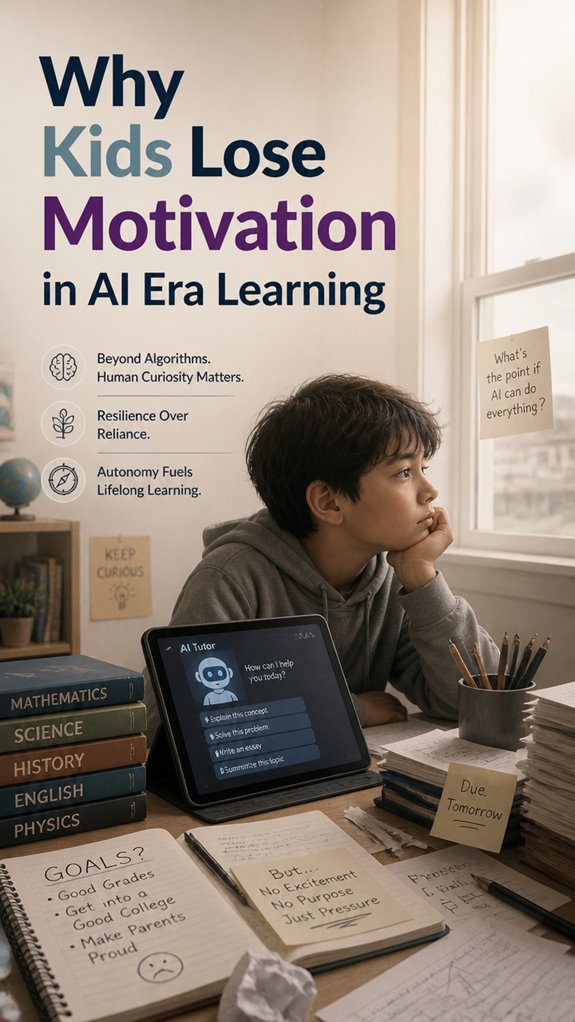

Why Your Child’s Stress Management Shapes Their Future
Did you know that children who learn stress regulation skills early develop stronger emotional resilience? Yes, and it starts with you recognizing their feelings before burnout takes hold.
I discovered this truth when my daughter came home exhausted from school. She couldn’t articulate why she felt overwhelmed. That moment sparked why I created Adaptive Atlas. We designed it to give parents and educators concrete tools for recognizing stress signals in kids. The platform transforms overwhelming feelings into manageable moments through practical routines and brain-based strategies.
Last summer, I watched my son freeze during a simple test. His body tensed. His breathing quickened. Instead of pushing through, we paused. We named what was happening. That single conversation taught him his brain could shift gears. He went from frozen to focused in minutes.
Quick Takeaways
- Effective stress management supports children’s emotional health, resilience, and ability to adapt to challenges.
- Learning emotional awareness helps kids recognize early signs of stress, preventing burnout and long-term issues.
- Building coping skills like mindfulness and routines fosters emotional stability and confidence in uncertain situations.
- Strengthening neuroplasticity through nurturing experiences enhances kids’ capacity to recover from adversity.
- Addressing stress early improves focus, motivation, and overall well-being, setting a foundation for future success.
Why Managing Stress Is Critical for Your Child’s Well-Being
Managing stress is essential for your child’s well-being because it directly affects their ability to learn, adapt, and build resilience in a changing world. When children practice mindful breathing, they develop emotional awareness, which helps them recognize and manage their feelings before stress takes over. This skill creates a foundation for long-term mental health and confidence, essential in a world that constantly shifts.
Instead of fearing chaos or uncertainty, focus on giving your child tools to stay centered. Teaching simple routines like deep breathing or pausing to reflect empowers them to navigate challenges calmly. Research shows that artificial intelligence tools can support children in processing their thoughts and emotions through guided journaling and reflective writing exercises.
Keep in mind, it’s not about eliminating stress but learning to respond effectively. Building this awareness now prepares them to face an unpredictable future with strength and clarity.
How Building Resilience Sets Kids Up for Future Success
When children learn to build resilience, they develop a vital foundation that prepares them to handle future challenges with confidence and adaptability. Emotional resilience allows them to stay steady under pressure, recover from setbacks, and keep moving forward.
An adaptive mindset shifts their view of difficulties from threats to opportunities for growth. This isn’t about avoiding adversity but learning how to face it with calm and clarity.
Building resilience isn’t about quick fixes; it’s a pattern that grows over time through daily experiences. As a parent, your role is to support this process, providing safe spaces for failure and encouraging reflection. By learning to read your child’s progress data, you can better understand their emotional patterns and identify moments when they’re building resilience through challenges.
These skills help your child see change not as a risk, but as a chance to develop the versatility and strength needed to create their future.
Practical Tips to Help Your Child Cope With Stress Today
Have you ever wondered how to help your child handle stress better today? Simple practices like mindfulness exercises can make a big difference. Encourage your child to focus on their breath or sensations in their body—these moments help them stay grounded.
Also, provide creative outlets like drawing, music, or storytelling, which allow them to express feelings safely. These approaches build a sense of control amid the chaos of constant change. They teach children that stress is normal and manageable, not something to fear.
Building emotional regulation skills through consistent practice helps children develop the capacity to recognize and manage their emotional responses to stressors. Over time, these habits cultivate resilience and adaptability, setting them up for future success. Keep in mind, you’re guiding your child to develop systematized skills that foster long-term well-being, not just quick fixes.
Neuroplasticity and Resilience Development

Neuroplasticity is the brain’s remarkable ability to reorganize itself in response to experiences, especially during childhood and adolescence. You can influence this process by creating positive, supportive environments.
Neuroplasticity allows the brain to grow and adapt, especially in early years, through positive, nurturing experiences.
When a child encounters challenges, their brain remodels neural pathways related to emotion regulation, problem-solving, and social skills. This rewiring builds resilience over time. Measurement approaches, such as longitudinal studies, have shown that the brain’s ability to adapt is especially strong during these critical developmental periods. Understanding why kids lose motivation helps parents and educators design interventions that support neuroplastic development during these formative years.
Consider these important points:
- Repeated positive experiences strengthen neural pathways, making coping feel easier.
- Brain remodeling responds best when stress is managed within a safe, nurturing setting.
- Supportive environments help children recover from adversity, fostering long-term resilience.
- Mindfulness and mental training can enhance neural plasticity, deepening emotional strength.
Your role is pivotal in shaping a child’s brain, guiding them toward flexibility, confidence, and resilience for the future.
Identifying Burnout Symptoms Early
Burnout can creep in quietly before your child even realizes it’s happening. They might show signs of exhaustion, irritability, or withdrawal—clear signals that stress triggers are building up. Recognizing these early symptoms means paying attention to patterns, not just isolated behaviors. Some common signs include declining focus, mood swings, and a loss of motivation. Having effective coping mechanisms becomes essential before burnout deepens, which can hinder future resilience and adaptability. When children develop emotional awareness skills, they become better equipped to identify their own stress signals before they escalate into burnout. Use this table to identify symptoms and consider simple responses:
| Symptom | Possible Stress Trigger |
|---|---|
| Fatigue, withdrawal | Overloaded schedule, pressure |
| Mood swings | Lack of rest, unmet needs |
| Poor concentration | Anxiety, fatigue |
| Loss of motivation | Boredom, feeling overwhelmed |
| Irritability | Frustration, misaligned goals |
Early awareness helps you guide your child toward balanced strategies and long-term well-being.
Stress Awareness Guide for Parents
Understanding your child’s stress is a vital step in preparing them for a future marked by constant change. Recognize that stress isn’t a problem to eliminate but a signal to develop emotional awareness. Teaching children emotional regulation techniques equips them with practical tools to manage their responses to stress effectively.
Here are four key points for your stress awareness guide:
- Practice mindfulness techniques daily to help your child stay present and reduce overwhelm.
- Foster emotional awareness by encouraging open conversations about feelings, not avoidance.
- Create routines that build stability and predictability, offering safe spaces for expression.
- Model calm, confident behavior, showing resilience in facing challenges.
Childhood Emotional Regulation Techniques

Teaching your child to regulate their emotions is a foundational skill that shapes their ability to navigate a world filled with uncertainty and rapid change. Developing emotional intelligence helps kids understand their feelings and respond thoughtfully rather than react impulsively.
Mindfulness exercises are powerful tools for this. Simple practices like deep breathing or paying attention to their senses build awareness and calm their mind, especially during stress. These techniques aren’t about suppressing emotions but understanding and managing them. By fostering curiosity about their emotions, children learn to explore what they’re feeling rather than dismiss it.
When children learn to stay centered amid turbulence, they gain confidence and resilience. This isn’t about quick fixes; it’s about creating routines that foster long-term emotional strength.
The Adaptive Atlas Anti-Fragile Child System
In a world that’s constantly unpredictable, helping your child become anti-fragile means teaching them to thrive amid challenge and change. The Adaptive Atlas Anti-Fragile Child System emphasizes building resilience through practical steps—like mindfulness exercises and peer support—that help them stay grounded. The concept of anti-fragility, which goes beyond mere resilience by allowing systems to gain from disorder, forms the foundation of this transformative approach.
Keep in mind, fears about instability are natural, but they can be transformed into opportunities for growth. Here’s what this system offers:
Fears about instability can become doors to growth with the right mindset and tools.
- Cultivating calm through mindfulness to handle stress effectively.
- Fostering peer support for social resilience and shared learning.
- Encouraging a mindset that grows stronger with adversity, not weaker.
- Adapting to change by focusing on capability, not fixed knowledge.
This approach gives your child the tools to navigate uncertainty with confidence, ensuring they build long-term strength for the future.
The Adaptive Atlas Framework
Five connected systems designed to help parents raise adaptable, future-ready children in a world shaped by AI, automation, and constant change.
| 🛡️ |
Anti-Fragile Child SystemBuilds resilience, adaptability, and the ability to handle uncertainty without shutting down. |
| 📚 |
Learning Stack ModelDevelops self-directed learning habits and continuous skill acquisition beyond school systems. |
| 🚀 |
Future Skill Stack SystemFocuses on high-value human skills that remain relevant in an AI-driven economy. |
| 🤖 |
AI Learning SystemTeaches children how to use AI as a thinking partner instead of becoming dependent on it. |
| 🧭 |
Child Type Navigator SystemPersonalizes learning and development based on each child’s strengths and personality. |
FAQ
How Does Stress Affect a Child’s Long-Term Brain Development?
When stress hormones flood a child’s brain, it can hinder brain plasticity, stifling growth and adaptability. You need to break the chain, empowering them to thrive long-term and unleash their full potential despite life’s hurdles.
What Role Do Peers Play in a Child’s Stress Levels?
Peers influence your child’s stress levels through peer pressure, but social support from friends can be a powerful balm. Encouraging positive connections helps kids feel empowered, resilient, and more capable of handling life’s challenges without feeling overwhelmed.
Can Technology Help or Hinder Stress Management in Kids?
Technology can help or hinder stress management in kids by shaping screen time and digital connection. It liberates through supportive tools or traps through overload, empowering independence or fueling anxiety—making mindful use essential for children’s well-being.
How Can Parents Model Healthy Stress Coping Strategies Effectively?
You can model effective coping mechanisms by openly sharing your stress management techniques, demonstrating resilience, and practicing calmness during challenges. Embrace modeling techniques that highlight vulnerability and adaptability, empowering your children to develop their own healthy stress responses confidently.
What Are Subtle Signs of Rising Stress in Children That Parents Might Miss?
You might overlook subtle signs like behavioral changes—withdrawal, irritability—or emotional cues such as sadness or anxiety. Stay attuned, as these quiet shifts can reveal rising stress that needs your understanding and support to foster freedom and resilience.
References
- https://wbma.cc/stress-management-for-kids/
- https://childrensdayton.org/onoursleeves/hidden-benefits-of-stress/
- https://www.divinoninopeds.com/blog/the-importance-of-helping-children-manage-stress-and-anxiety/
- https://www.childrens.com/health-wellness/stress-management-tips-for-teens-and-children
- https://pubmed.ncbi.nlm.nih.gov/36096110/
- https://www.apa.org/topics/children/stress
- https://www.childrenscolorado.org/just-ask-childrens/articles/stress-management-kids/
- https://web.dusd.net/gauldin/2024/04/08/the-importance-of-learning-stress-management/
- https://extension.psu.edu/helping-children-to-shake-it-off-releasing-and-reducing-stress/
- https://kidshealth.org/en/kids/stress.html