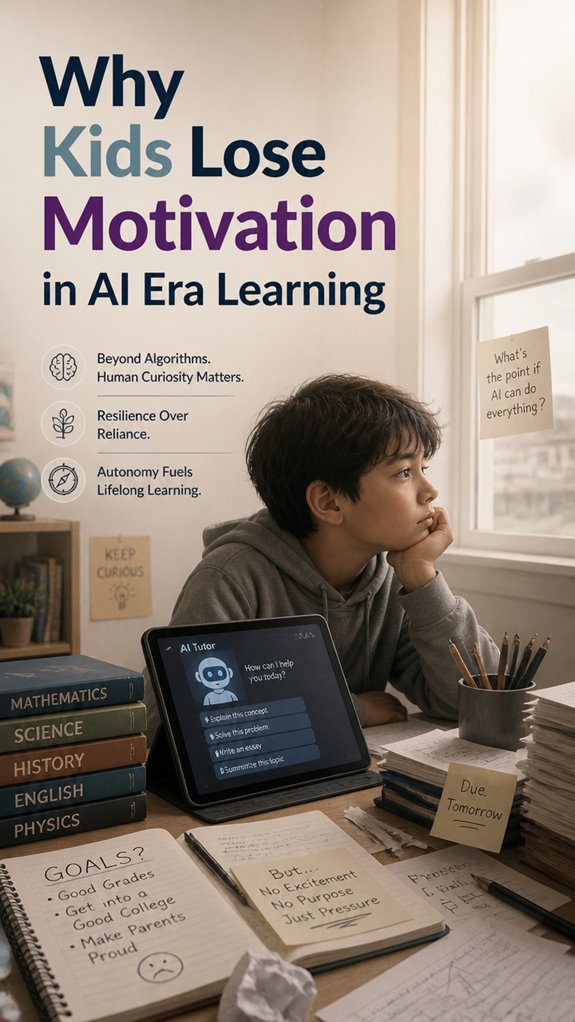
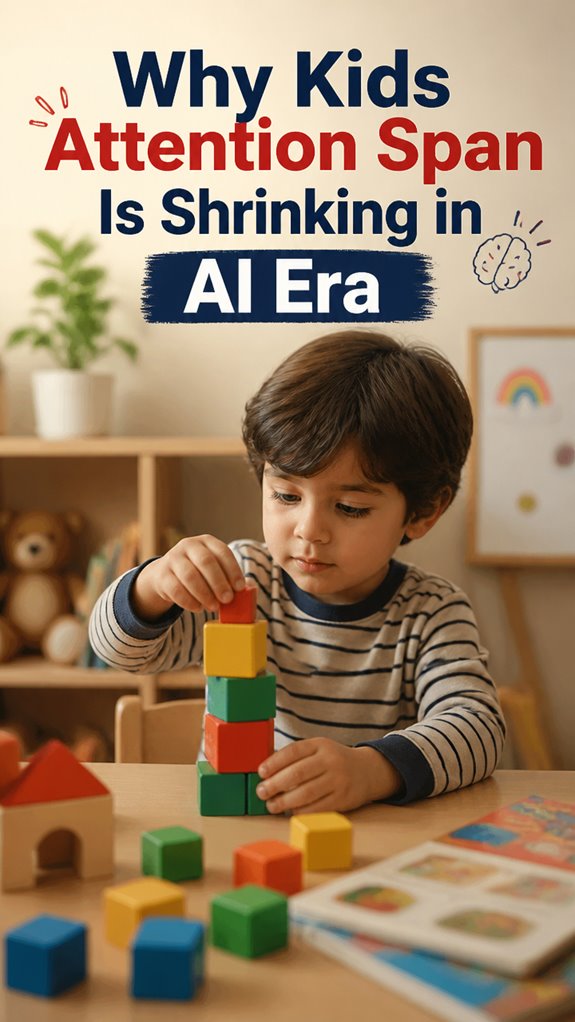
Why Your Child’s Focus Keeps Vanishing Online
Are your kids struggling to concentrate longer than five minutes? Digital platforms engineer addictive patterns. Notifications, autoplay, and infinite scrolls rewire young brains for instant payoffs rather than sustained attention.
How Real Experience Shaped Our Adaptive Atlas Mission
Last summer, I watched my nephew ignore a book he loved because YouTube kept auto-launching videos. That moment sparked something. I realized we needed tools helping families navigate this chaos, not surrender to it. That’s why we built Adaptive Atlas. We wanted resources teaching kids metacognition and intentional focus strategies, not lecturing about “screen time.” The platform combines neuroscience with practical exercises so children actually develop concentration resilience.
A Wake-Up Call That Changed Everything
My daughter once told me her brain felt “sticky” after scrolling. She couldn’t switch tasks for hours. We implemented focused work blocks and dopamine-fasting weekends. Within weeks, she returned to deep reading. That vocabulary shift from her proved something simple: kids know when their attention feels broken. They just need adults who listen and offer actual solutions.
Quick Takeaways
- Digital media’s constant stimulation and instant rewards train children for quick gratification, reducing their ability to focus long-term.
- Designed features like notifications and autoplay ads create frequent distractions that interrupt natural curiosity and attention flow.
- Excessive screen time hampers the development of the prefrontal cortex, affecting impulse control and sustained attention.
- The attention economy’s addictive design tactics make it harder for children to concentrate and resist digital distractions.
- Building resilience and mindful digital habits helps children regain focus and adapt amidst pervasive technological interruptions.
How Digital Media Shortens Kids’ Attention Spans
Have you ever noticed how kids today seem to shift focus quickly or get bored with long tasks? Digital media plays a big role in this shift. It offers constant stimulation—short videos, quick messages—that can train the brain to expect rapid rewards.
Over time, this can weaken a child’s attention span resilience, making it harder to stay engaged with deeper, more meaningful work. Yet, understanding this pattern helps you focus on building skills like digital literacy, so children learn how to navigate and manage distractions intentionally. Parents should be mindful of avoiding outdated skills that no longer serve children in today’s technology-driven world, focusing instead on adaptive capabilities.
Instead of trying to eliminate media, teach them to use it mindfully. This broader approach shifts the focus from controlling media to empowering children with long-term capabilities—ensuring they can adapt, focus, and thrive in an environment of ongoing change.
What Causes Attention Decline in Children? (Biological and Neurobiological Factors)
The decline in children’s attention spans isn’t just a distraction problem—it’s rooted in biological and neurobiological changes that occur as their brains develop. Neuroplasticity development, the brain’s ability to rewire itself, means children’s brains are especially adaptable but also more sensitive to their environment.
This flexibility can lead to fluctuations in attentional control—the ability to focus and shift attention intentionally. When kids are constantly exposed to rapid digital stimuli, their brains learn to expect quick rewards, making sustained attention harder. Research shows that excessive screen time exposure during critical developmental periods can interfere with the prefrontal cortex’s maturation, which is responsible for executive function and impulse control.
This isn’t a sign of failure but a natural response to their progressive brains. By understanding these processes, you can shape environments that strengthen attentional control, helping your child adapt and thrive in a world full of change.
How Design and Instant Gratification Keep Kids Distracted
Design decisions and the allure of instant gratification have a powerful influence on children’s attention today. Many devices and apps are intentionally designed to be distracting, offering continuous bursts of gratification instant and easy to access. This design distraction pulls kids away from sustained focus, making it harder for them to develop deep attention skills.
The goal of these deliberately crafted experiences is to keep kids engaged through quick rewards, but it weakens their ability to concentrate over time. Instead of nurturing patience and perseverance, this pattern promotes seeking immediate pleasure.
Parents can implement distraction control systems to help children build awareness of these design tactics and regain focus. As parents, understanding this helps you see that long-term attention and resilience are built through systems that prioritize meaningful engagement. It’s about shaping environments that foster focus, not just fleeting hits of gratification instant.
How the Attention Economy Encourages Digital Distraction in Kids

Many apps and digital platforms actively compete for your child’s attention, designed to be addictive and engaging. This is part of the Attention Economy, where every second spent on a screen is a valuable asset.
It’s understandable to worry about digital distraction limiting your child’s focus and growth. But instead of viewing this as an uncontrollable force, think of it as a pattern that can be reshaped.
The key is recognizing how constant notifications, autoplay videos, and infinite scrolls keep kids tuning in. They do this not necessarily because they want to, but because these systems are optimized to hold attention. When children’s focus and learning are compromised by these design tactics, developing strategies to counteract the attention economy becomes essential for parents and educators.
Practical Parent Strategies to Improve Kids’ Focus and Attention
Addressing digital distractions today starts with understanding that your child’s attention isn’t just about willpower—it’s shaped by systems designed to captivate. To support focus, you can foster emotional resilience and encourage healthy social dynamics. Exploring alternative career paths can also help children develop sustained interest in meaningful pursuits beyond screen-based activities. Here’s a visual to help you see the influence:
| System Aspect | Practical Application |
|---|---|
| Emotional Resilience | Teach your child to embrace setbacks and frustration as growth opportunities. |
| Social Dynamics | Create tech-free zones for real connection and communication. |
| System Awareness | Explain that many digital cues aim to distract; empower your child to recognize and manage them. |
Building focus isn’t about rigid rules; it’s about shaping environments and habits that strengthen your child’s ability to concentrate and adapt for a future where control is shared and resilience is key.
Why Audio Content Might Help Kids Focus Better Than Video
In a world full of screens, it’s easy to assume that videos can keep a child’s attention longer, but that’s not always true. Audio content promotes better auditory focus and supports cognitive development by encouraging children to listen carefully and think actively.
Unlike videos, which often demand visual engagement and can lead to distraction, audio allows kids to focus on what’s being said, helping their minds process information more deeply. This approach reduces the constant sensory overload that often shortens attention spans. By incorporating lifelong learning skills into audio-based instruction, children develop stronger foundational habits for sustained concentration and independent thinking.
Neuroscience on Digital Overstimulation

Digital overstimulation affects your child’s brain in ways that might seem subtle but can have lasting impacts. When kids spend a lot of time immersed in screens and rapid content, their brains undergo cortical rewiring, changing how they process information. This is due to neural plasticity — the brain’s ability to adapt.
During constant engagement, waves like Beta and Gamma increase, signaling extended cognitive excitement. This can make it harder to focus on calmer, deeper tasks later. Repetitive digital use can also weaken networks involved in emotional regulation and attention.
While these changes might sound alarming, they’re also reversible with mindful shifts in activity. By understanding how digital overstimulation reshapes the brain, you can support your child’s capacity to adapt, focus, and build resilience over time. Creating structured home learning environments helps counter the effects of overstimulation by providing balanced, intentional engagement with educational content.
Distraction Mitigation Techniques
Children’s ability to focus can be challenged not just by their digital environments, but by how easily distractions interrupt their natural curiosity and learning flow. To help, you can instill digital mindfulness—encouraging mindful use of screens—and establish focused routines. These practices create a sense of control and stability. Developing future-ready skills alongside these attention-building strategies ensures children are prepared for success in an increasingly digital world.
You might consider:
- Setting clear boundaries for screen time and digital breaks
- Creating distraction-free zones for deep work or play
- Incorporating regular moments of silent reflection and mindful breathing
- Prioritizing real-world experiences over passive digital content
These systems build resilience and promote sustained attention. Recall it’s about shaping habits that foster long-term focus, not quick fixes.
Attention Recovery Toolkit for Kids
Have you ever wondered how kids can regain focus after being pulled into a whirlwind of distractions? Building attention resilience is key.
Instead of quick fixes, develop a steady attention recovery toolkit that fosters focus cultivation over time.
Create a lasting attention recovery toolkit to nurture focus and resilience over time.
Encourage children to pause and reset, practicing simple breathing or grounding exercises when their attention drifts. These techniques strengthen their ability to stay engaged amid constant change. By incorporating adaptability skills training, children learn to flexibly adjust their attention strategies as circumstances demand.
Remember, the goal isn’t to eliminate distractions but to help kids develop a calm, confident approach to refocusing. This process builds long-term capability, preparing them for an unpredictable future.
When children learn how to recover their attention intentionally, they gain an essential skill—one that promotes adaptability, independence, and a stronger sense of mastery for whatever challenges lie ahead.
Future Skills for Evolving Workplaces
As kids learn to recover their focus and reset after distractions, they develop skills essential for the workplace of the future. These include attention resilience, the ability to stay engaged despite interruptions, and the habit of digital detox, which reduces dependency on screens.
These skills allow children to adapt, learn quickly, and navigate constant change confidently. Adaptability is particularly critical as it enables children to thrive in evolving work environments that demand continuous learning and flexibility.
To foster this, you can encourage practices like:
- Creating tech-free times for reflection
- Teaching self-awareness about attention spans
- Building routines that promote focus
- Supporting resilience through challenges
The Adaptive Atlas Anti-Fragile Child System
Building resilience in children is more important than ever, especially in a world full of uncertainty and rapid change. The Adaptive Atlas Anti-Fragile Child System helps you foster children’s emotional robustness, so they can face challenges without feeling overwhelmed.
Instead of shielding them from difficulties, you guide them to grow through setbacks, building confidence and adaptability. This approach shifts focus from controlling outcomes to strengthening core capabilities. Parental guidance becomes about creating environments where children learn to handle frustration and uncertainty calmly. The anti-fragile child system provides a structured framework for parents to implement these principles consistently across different life situations.
It’s natural to worry about their future, but by developing resilience now, you set a foundation for lifelong growth. This system encourages a steady mindset and long-term thinking, empowering children to thrive in any progressive world—regardless of what changes come next.
The Adaptive Atlas Framework
Five connected systems designed to help parents raise adaptable, future-ready children in a world shaped by AI, automation, and constant change.
| 🛡️ |
Anti-Fragile Child SystemBuilds resilience, adaptability, and the ability to handle uncertainty without shutting down. |
| 📚 |
Learning Stack ModelDevelops self-directed learning habits and continuous skill acquisition beyond school systems. |
| 🚀 |
Future Skill Stack SystemFocuses on high-value human skills that remain relevant in an AI-driven economy. |
| 🤖 |
AI Learning SystemTeaches children how to use AI as a thinking partner instead of becoming dependent on it. |
| 🧭 |
Child Type Navigator SystemPersonalizes learning and development based on each child’s strengths and personality. |
FAQ
How Does Digital Overstimulation Affect Children’s Long-Term Brain Development?
You think digital overstimulation’s harmless, but neuroscience research shows it impairs long-term brain development. Ironically, it weakens your child’s cognitive resilience, trapping them in distraction, making real-world focus and deep thinking a distant, forgotten skill.
Can Improving Attention Span Counteract Negative Effects of Screen Time?
Yes, you can counteract negative screen time effects by practicing mindfulness training and choosing educational apps that promote focus. This approach helps children develop resilience, regain attention, and foster a sense of liberation from digital distraction.
What Role Does Parental Regulation Play in Managing Digital Distraction?
Think of parental boundaries as a lighthouse guiding a ship through foggy waters—your tech supervision sets clear limits, empowering your child to navigate digital distractions confidently, fostering independence and focus while freeing them from chaos.
Are Certain Digital Content Types Better for Maintaining Focus?
Interactive storytelling and educational apps foster focus by engaging kids actively, encouraging independent exploration, and stimulating curiosity. They promote autonomous learning, helping children develop sustained attention and a love for knowledge, which supports long-term adaptability in a constantly changing world.
How Will Future Technological Advancements Influence Kids’ Attention Abilities?
Future technological advancements, combined with behavioral interventions and innovative educational strategies, will empower you to help kids develop focus, resilience, and adaptability. You can liberate their potential by shaping environments that foster sustained engagement and lifelong learning skills.
References
- https://vobble.us/post/attention-spans-are-shrinking-can-audio-help-gen-alpha-focus-better
- https://www.oxjournal.org/how-does-technology-affect-the-attention-spans-of-different-age-groups/
- https://www.childrenandscreens.org/learn-explore/research/attention-media-use-and-children/
- https://santamaria.wa.edu.au/decreasing-attention-spans-jennifer-oaten/
- https://www.nami.org/Blogs/NAMI-Blog/August-2017/Attention-Spans-in-the-Age-of-Technology
- https://www.aft.org/ae/spring2026/willingham
- https://pubmed.ncbi.nlm.nih.gov/35430923/
- https://papers.ssrn.com/sol3/papers.cfm?abstract_id=5348745
- https://pmc.ncbi.nlm.nih.gov/articles/PMC12329480/
- https://www.youtube.com/watch?v=8GJwNxcrDT8