How Can Open Communication Transform Your Child’s Development?
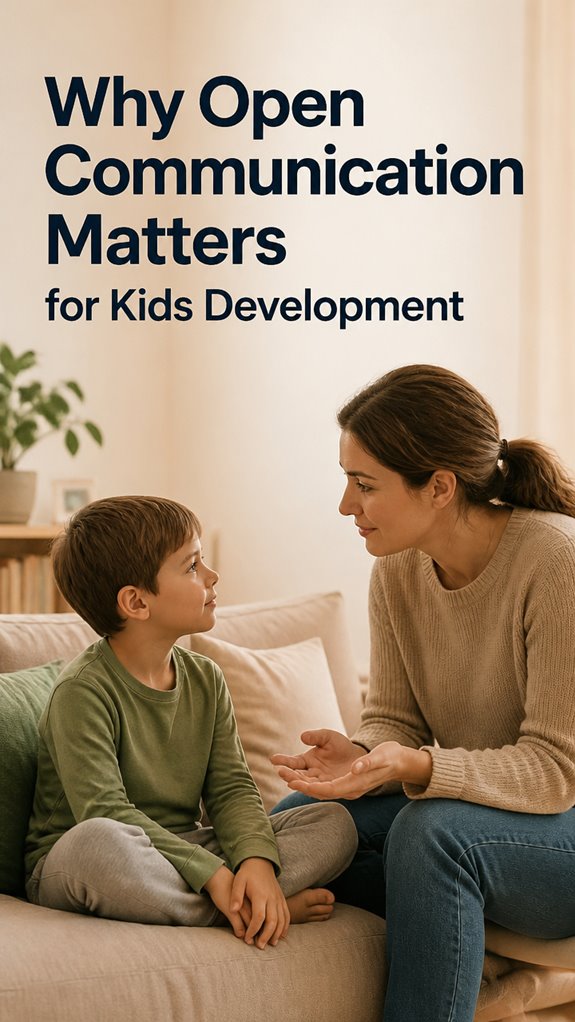
Open communication builds trust, confidence, and resilience in kids. When you listen actively and speak honestly, children develop emotional literacy and learn to navigate relationships and change with greater ease.
A Real Moment That Changed Everything
I watched my daughter shut down completely after a tough day at school. Instead of pushing, I created space for her to talk without judgment. She opened up about friendship conflicts I never knew existed. That conversation taught me something Adaptive Atlas emphasizes: kids need consistent, safe spaces to express themselves. We write about these topics because parents deserve frameworks that actually work, not generic advice that sounds nice but crumbles under real pressure.
The Shift Happens Quietly
Last month, my son came to me voluntarily about a mistake he made. He didn’t fear punishment because our home prioritizes honest dialogue over control. That moment proved fears about giving kids “free reign” dissolve when boundaries remain clear and compassionate. The trust builds gradually, but the payoff transforms everything.
Quick Takeaways
- Open communication builds trust and emotional safety, helping children express feelings and develop emotional literacy.
- It fosters social skills like empathy, resilience, and effective conflict resolution through honest, ongoing dialogue.
- Consistent, responsive interactions strengthen neural connections, supporting brain development and emotional regulation.
- Encouraging open dialogue allows children to explore and understand their emotions, boosting confidence and social awareness.
- It prepares kids for future challenges by cultivating adaptability, decision-making, and resilience through a trusting environment.
Why Open Communication Matters for Your Child’s Emotional and Social Growth
Open communication is essential for your child’s emotional and social growth because it creates a safe space for them to express their feelings and thoughts.
When your child feels heard, they gain confidence in sharing ideas, even across cultural differences or when working with peers. This openness helps build trust, fostering their ability to collaborate and navigate diverse viewpoints.
It reduces fears around misunderstanding or rejection, replacing these with a sense of control and belonging. Instead of fearing missteps, encourage honest conversations that teach resilience and empathy. Fostering trust and openness through consistent, active listening strengthens the parent-child relationship and demonstrates that their voice matters.
The Scientific Evidence Linking Responsive Talk and Brain Development
Scientific research shows that responsive talk — conversations where adults listen actively and respond thoughtfully to your child’s words — actually changes how a child’s brain develops. It fosters stronger neural connectivity, essential for language acquisition and overall growth. When you engage in meaningful dialogue, you help build the brain’s wiring for understanding and expressing ideas confidently, shaping the foundation for future learning. Many parents fear they’re not doing enough, but consistent, intentional interaction makes a real difference over time. Here’s a simple visual to understand this process:
| Idea | Impact |
|---|---|
| Responsive talk | Strengthens neural pathways |
| Active listening | Boosts language skills |
| Thoughtful responses | Enhances brain connectivity |
| Continuous dialogue | Builds resilience and learning capacity |
This process isn’t about perfection; it’s about connection, paving a path toward your child’s adaptable, capable future.
Simple Ways to Foster Open, Trusting Conversations at Home
Many parents worry they mightn’t always know how to connect meaningfully with their children or create spaces for honest conversation. But it’s possible to build trust through simple, intentional actions.
Start by setting clear parent boundaries—be consistent and honest about what’s okay and what’s not. This creates a safe environment where children feel secure to share.
Set consistent boundaries for honesty and safety to foster secure, open-sharing environments with your children.
Incorporate play therapy-like activities—games, storytelling, or creative play—to encourage open dialogue without pressure. Listen without judgment, and show genuine curiosity. These conversations also help children develop future-ready skills like critical thinking and emotional intelligence.
Keep in mind, trust grows over time through small, predictable interactions. Your calm presence and respect for their feelings teach children that their voice matters, helping them develop the confidence and resilience they’ll need for the future.
How to Use Strategies That Encourage Emotional Expression and Learning

Fostering emotional expression in children isn’t about avoiding difficult feelings—it’s about creating safe spaces where they can explore and understand those emotions. An expressive environment helps build emotional literacy, giving kids the tools to identify and share what they’re feeling.
This isn’t about fixing every upset or offering quick solutions, but about encouraging their confidence to express without judgment. Be patient, listen actively, and validate their feelings, showing that emotions are a natural part of growth.
Reframing fears about “opening up” helps you see it as a long-term system that supports resilience and self-awareness. When children learn to articulate their emotions, they’re better prepared for future challenges and more adaptable to change. Developing social awareness skills allows children to recognize emotions in themselves and others, deepening their understanding of human connection.
It’s a foundational skill for their ongoing development and independence.
Communication Growth Guide for Parents
Children’s communication skills can often feel like a moving target, especially as they grow and face new challenges. As a parent, your guidance with language strategies plays a key role in shaping their confidence and ability to express themselves.
Instead of worrying about the perfect method, focus on creating a safe space for open dialogue. Consistently model active listening and clear, simple language. This helps children learn how to articulate their thoughts and emotions, building skills that will serve them in every aspect of life.
Keep in mind, your consistency builds trust and stability, even when progress seems slow. Acknowledge setbacks as part of growth. When you prioritize open communication with kids, you establish a foundation that strengthens your relationship and empowers them to navigate challenges with confidence.
Neuroscience Findings on Brain Plasticity
Understanding brain plasticity helps you see how your child’s experiences shape their development over time. In childhood, sensory-motor regions like visual and auditory areas are highly receptive, supporting cortical refinement, which shapes neural connectivity. Plasticity refers to the brain’s capacity for structural and functional change, including synaptic formation/elimination and network reorganization, making these early periods especially dynamic. As kids grow, this plasticity gradually shifts, mainly supporting higher-order thinking during adolescence. Early experiences, including interactions, environment, and sensory input, create lasting changes in the brain. These experiences influence how connections strengthen or fade, affecting skills like language and social understanding. Knowing this, you can see that your child’s brain isn’t fixed—it’s adaptable. Providing rich, supportive environments during these sensitive periods can boost neural connectivity, helping your child develop resilient, flexible thinking skills for the future.
This rooted understanding offers valuable direction, empowering you to foster long-term growth.
Addressing Child’s Emotional Resilience

Building emotional resilience doesn’t happen by accident—it’s something you can actively nurture in your child. When you foster emotional intelligence, you help them recognize their feelings and understand others’ emotions. Vulnerability awareness teaches children that showing their true feelings isn’t a weakness but a strength. Encourage open conversations, listen actively, and validate their experiences. This creates a safe space where they learn to handle setbacks without shutting down. In doing so, you’re building a foundation that prepares them for a future of continuous change, where resilience is key. These genuine connections formed through emotional openness are essential for developing meaningful relationships that sustain children through life’s challenges. Here’s a simple way to visualize this process:
| Emotion Recognition | Vulnerability Acceptance | Resilience Building |
|---|---|---|
| Name feelings | Share honestly | Bounce back faster |
| Empathy development | Accept mistakes | Stay engaged |
| Self-regulation | Seek support | Grow through challenge |
The Adaptive Atlas Anti-Fragile Child System
In today’s world of constant change, it’s natural to worry about your child’s ability to handle setbacks and uncertainty. But the key isn’t to shield them from difficulty; it’s to build resilience. The Adaptive Atlas Anti-Fragile Child System focuses on developing your child’s capacity to stay steady amid challenges.
It emphasizes language development—helping children express their feelings and thoughts clearly—and empathy cultivation, so they can understand others’ viewpoints. This approach encourages your child to see setbacks as opportunities for growth, rather than threats. By strengthening antifragility through adversity, children learn to not just survive challenges but to grow stronger from them.
The Full Adaptive Atlas Framework
Parents often fear the future will leave their kids behind as AI and change accelerate. You don’t need to. The Full Adaptive Atlas Framework liberates you from outdated linear paths, building your child’s adaptability through five connected systems: Anti-Fragile foundation, self-directed Learning Stack, Future Skill Stack, AI as cognitive partner, and personalized Child Type Navigator.
Open communication frees this—you tune into their non-verbal cues and cultural nuances, fostering trust for independent growth. Like Nassim Taleb’s antifragility, it turns volatility into strength. You’re not predicting jobs; you’re crafting versatile capability that compounds over decades.
Ditch memorization—AI handles that. You guide them to think, decide, and create across contexts. This system hands you control, ensuring your child thrives amid flux, not despite it.
The Adaptive Atlas Framework
Five connected systems designed to help parents raise adaptable, future-ready children in a world shaped by AI, automation, and constant change.
| 🛡️ |
Anti-Fragile Child SystemBuilds resilience, adaptability, and the ability to handle uncertainty without shutting down. |
| 📚 |
Learning Stack ModelDevelops self-directed learning habits and continuous skill acquisition beyond school systems. |
| 🚀 |
Future Skill Stack SystemFocuses on high-value human skills that remain relevant in an AI-driven economy. |
| 🤖 |
AI Learning SystemTeaches children how to use AI as a thinking partner instead of becoming dependent on it. |
| 🧭 |
Child Type Navigator SystemPersonalizes learning and development based on each child’s strengths and personality. |
FAQ
How Does Open Communication Impact My Child’s Long-Term Mental Health?
Like opening the gates at dawn, open communication fosters emotional resilience and trust development, empowering your child to navigate life’s chaos confidently. This liberation from silence strengthens their mental health, creating a resilient, self-aware future-maker.
What Are Common Barriers Parents Face in Maintaining Open Dialogue?
You might face cultural differences, making open dialogue challenging, or struggle with age-appropriate language that feels restrictive, but embracing authenticity and tailored communication empowers you to foster liberation and genuine connection, breaking down barriers naturally.
How Early Should Parents Start Fostering Open Communication With Their Kids?
Start fostering open communication early, building trust through active listening from the moment your child begins speaking. This creates a liberated environment where they feel safe to express themselves, strengthening your connection and supporting their growth into confident, adaptable individuals.
Can Open Communication Prevent Behavioral Issues Later in Childhood?
Open communication helps prevent behavioral issues by fostering a parenting approach rooted in emotional expression, promoting trust, understanding, and resilience, and empowering your child to navigate feelings confidently, reducing frustration and behavioral challenges before they escalate.
What Signs Indicate My Child Feels Safe Sharing Their Feelings?
You’ll notice your child feels safe sharing feelings when they use emotional vocabulary comfortably and open up without hesitation, strengthened by trust-building techniques you consistently practice, creating an environment where vulnerability feels natural and supported.
References
- https://www.excellenceproject.org/post/how-to-foster-open-communication-with-your-kids
- https://talents123.ca/importance-of-communication-with-children-building-strong-relationships/
- https://headstart.gov/publication/early-social-interactions-build-connections-brain
- https://teachingstrategies.com/blog/making-learning-visible-the-role-of-communication-in-early-childhood/
- https://collabforchildren.org/resources-for-families/resource-library/encouraging-open-communication-with-children/
- https://effectivestudents.com/articles/open-communication-about-emotions-means-positive-outcomes-for-kids/
- https://pmc.ncbi.nlm.nih.gov/articles/PMC4869776/
- https://www.pennmedicine.org/news/penn-medicine-study-reveals-new-insights-on-brain-development
- https://pmc.ncbi.nlm.nih.gov/articles/PMC7013153/
- https://pmc.ncbi.nlm.nih.gov/articles/PMC3222570/