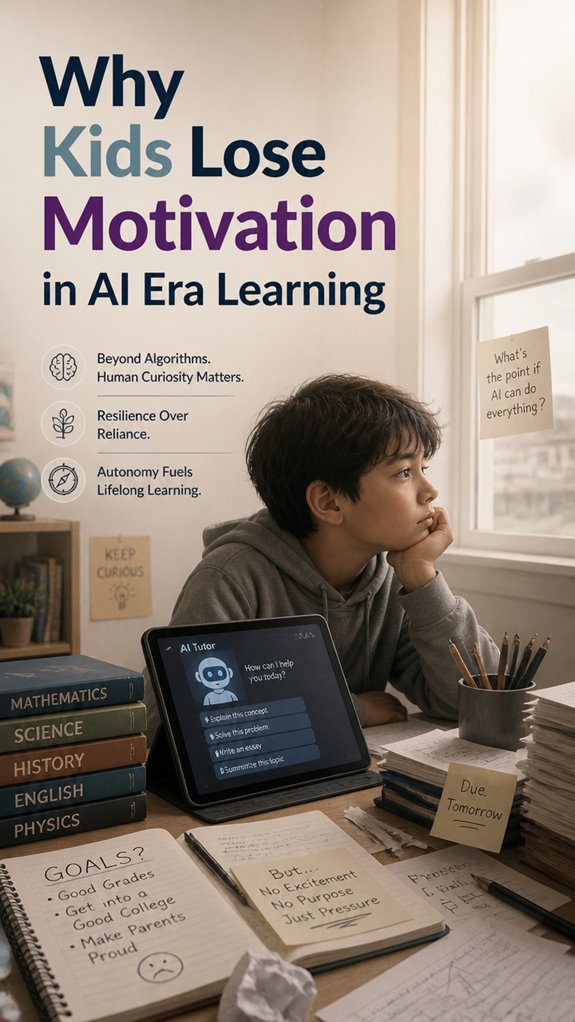
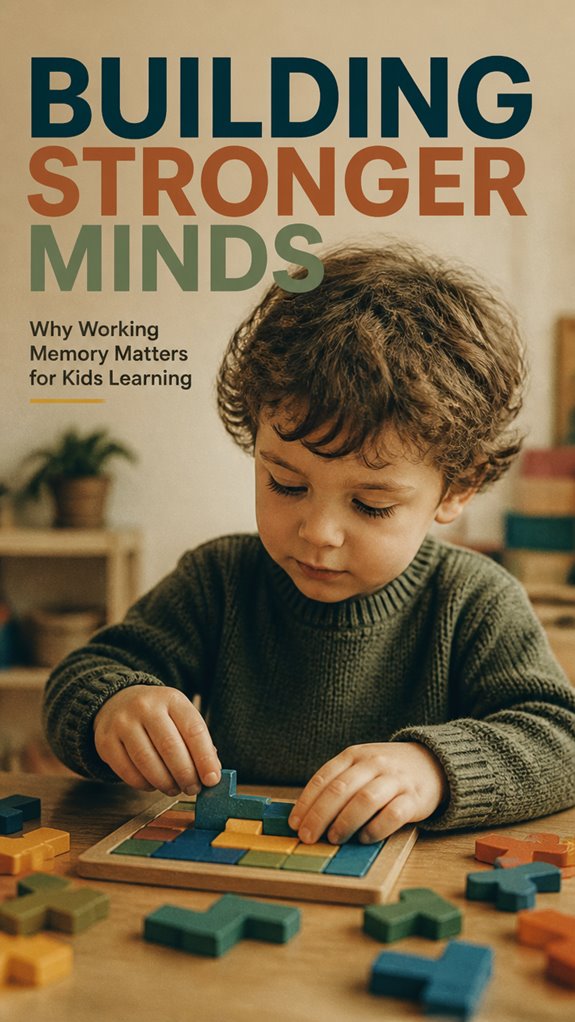
Why Does Working Memory Make or Break Your Child’s Learning?
Working memory is the mental workspace where your child holds information, follows instructions, and tackles problems. Without it, learning becomes fragmented and frustrating.
I watched my daughter Maya struggle through third grade until I realized her working memory needed training, not scolding. She’d forget the middle steps of math problems despite understanding each part. That’s when I discovered Adaptive Atlas. We created it because parents and educators deserve tools that actually work, not generic advice. The platform targets working memory with games that feel like play but build real cognitive strength.
Last month, I sat with Maya while she completed a sequencing task on Adaptive Atlas. She held four steps in her mind simultaneously for the first time. Her shoulders relaxed. That moment crystallized why we built this. Not every child thinks the same way, and that’s precisely the point.
Quick Takeaways
- Working memory is essential for processing and retaining information needed for effective learning and academic success.
- Strong working memory correlates more with achievement than IQ, especially in reading, math, and problem-solving skills.
- Limitations in working memory can cause learning difficulties, forgetfulness, and challenges in following multi-step instructions.
- Developing working memory through targeted strategies enhances focus, resilience, and long-term educational growth.
- Supporting flexible thinking and adaptive learning relies heavily on a child’s ability to hold and manipulate information mentally.
How Does Working Memory Affect Kids’ Learning and School Success?
Working memory plays an essential role in how children learn and succeed in school, especially as they face increasingly complex tasks. Its neuroplasticity potential means that, with the right support, children can strengthen this crucial skill over time.
Understanding cognitive load is key: when children try to juggle too much information at once, their working memory becomes overwhelmed, slowing their learning process. By reducing unnecessary mental effort and breaking tasks into manageable pieces, you help optimize their learning capacity.
This approach aligns with research from cognitive scientists like John Sweller and Robert Bjork, emphasizing long-term development. Instead of stressing about innate ability, focus on creating systems that build a child’s adaptability and resilience—preparing them for a future where mastery depends on continual growth, not fixed knowledge. When children can articulate their learning process and understand how they think, communication impact becomes a powerful tool for deepening their metacognitive awareness and strengthening their working memory strategies.
What Are Common Signs of Working Memory Difficulties in Children?
Children who struggle with holding and manipulating information in their minds may show signs of working memory difficulties. These signs often appear early in child development and can impact learning progress.
Signs of working memory struggles can appear early and affect a child’s learning development.
For example, your child might forget instructions quickly or have trouble following multi-step directions. They may also lose track of what they’re doing during tasks or need frequent reminders.
Inconsistent performance on similar tasks can also indicate working memory challenges. Using cognitive strategies—like breaking information into smaller parts or repeating key points—can help children build skills over time.
Recognizing these signs isn’t about labeling your child as “disordered,” but understanding how their brain processes information. With patience and targeted support, you can help your child develop stronger working memory, setting a foundation for future learning success. Strong working memory is essential for decision making abilities that will serve your child throughout their academic journey and beyond.
How Can Parents Support and Improve Their Child’s Working Memory at Home?
Supporting your child’s working memory at home doesn’t have to be complicated or overwhelming. You can start with simple activities like memory games that challenge your child to remember sequences or details, helping them strengthen retention.
Focus exercises—such as asking your child to repeat instructions or recall steps—can also build their ability to hold information while completing a task. These practices encourage mental flexibility and attention, which are essential skills in an unpredictable future.
Keep in mind, consistency matters more than intensity. A few minutes daily can lead to meaningful growth over time. As your child develops stronger working memory skills, they’ll be better equipped for remote collaboration with peers, which requires holding multiple instructions and information in mind while communicating with teammates.
Memory Capacity Predicts Academic Success

Research shows that memory capacity, especially working memory, plays a crucial role in a child’s academic success—often more than IQ itself. Children with strong working memory tend to excel in reading, math, and problem-solving because they can hold and manipulate information actively. Empirical evidence supports this, indicating that working memory is a better predictor of academic achievement than IQ. Building this capacity involves using targeted memory strategies and engaging in cognitive exercises designed to strengthen working memory over time. It’s important to understand that these skills can be improved through consistent practice, which means parents and teachers can support long-term growth rather than relying on fixed traits. Developing structured thinking habits early on creates a foundation for mental organization that extends beyond memory into all learning domains. Rather than fearing learning difficulties, focus on creating a supportive environment where children develop their internal learning system. This approach helps children build confidence and prepares them for future challenges, turning early success into lifelong adaptability.
Memory Overload Hampers Focus
When your child’s working memory hits overload, focus vanishes and learning stalls—watch for signs like unfinished work, sloppy output, or sudden anxiety during tasks. You don’t need to fear this as a permanent barrier; it’s a signal to intervene early, building resilience for lifelong learning. Sensory overload from noise or hunger compounds memory fatigue, draining cognitive resources just when kids need them most.
Spot these overload triggers to master prevention:
- Multistep instructions that exceed capacity, blocking problem-solving like in ADHD cases.
- Distractions clogging limited space, halting attention as researcher Alan Baddeley notes in working memory models.
- Single-modality input overwhelming brain networks, unlike balanced verbal-visual tasks.
- Unmanaged discomfort diverting energy from storage to survival.
- Break tasks into smaller steps to reduce cognitive overload and enhance focus.
Creative outlets like online creative tools can provide a restorative counterbalance when working memory feels taxed, offering kids space to express themselves without the pressure of structured problem-solving. Decompose tasks now; you’ll equip them to thrive amid future demands. (141 words)
Working Memory Guide for Parents
Understanding your child’s working memory can feel overwhelming, but it’s a powerful tool for supporting their long-term success. Working memory is what allows children to hold and process information temporarily.
Supporting your child’s working memory boosts their ability to learn and adapt for long-term success.
When cognitive load is high—meaning too much information at once—their working memory can struggle, leading to frustration or forgetfulness. As a parent, your role is to help reduce that load. Break tasks into smaller steps, repeat instructions, and give your child time to process.
Recognize that an overstimulating environment can hinder learning, making it harder for them to focus and build skills. Instead, create calm, clear routines that support steady development. Understanding how working memory affects learning performance can help you identify when your child needs additional support or modifications to their environment.
Over time, these strategies strengthen working memory, equipping your child with lasting abilities to adapt, learn, and thrive amid ongoing change.
The Adaptive Atlas Learning Stack Model

The Adaptive Atlas Learning Stack Model offers a clear way to understand how children develop adaptable minds in a world that’s constantly changing. It emphasizes building cognitive development through memory strategies that foster resilience and independence. Instead of focusing solely on memorization, you help your child develop self-directed learning skills that adapt to new knowledge. By balancing exploration and focused learning, children can discover their interests while maintaining the discipline needed to master complex skills.
Key principles include:
- Cultivating anti-fragile traits so children handle uncertainty confidently
- Encouraging critical thinking and creativity as core future skills
- Teaching how to use AI as a cognitive partner, not a crutch
- Personalizing learning approaches to match your child’s strengths
The Adaptive Atlas Framework
Five connected systems designed to help parents raise adaptable, future-ready children in a world shaped by AI, automation, and constant change.
| 🛡️ |
Anti-Fragile Child SystemBuilds resilience, adaptability, and the ability to handle uncertainty without shutting down. |
| 📚 |
Learning Stack ModelDevelops self-directed learning habits and continuous skill acquisition beyond school systems. |
| 🚀 |
Future Skill Stack SystemFocuses on high-value human skills that remain relevant in an AI-driven economy. |
| 🤖 |
AI Learning SystemTeaches children how to use AI as a thinking partner instead of becoming dependent on it. |
| 🧭 |
Child Type Navigator SystemPersonalizes learning and development based on each child’s strengths and personality. |
FAQ
How Does Working Memory Influence a Child’s Emotional Resilience?
Think of working memory as your child’s emotional toolkit. When it’s strong, they manage stress effectively, regulate emotions, and remain calm under pressure, building resilience that helps them navigate life’s unpredictable storms with mastery.
Can Insufficient Sleep Impact a Child’s Working Memory Capabilities?
Sleep deprivation hampers your child’s working memory by increasing memory interference. Without enough rest, cognitive functions struggle, making it harder for them to process, retain, and manipulate information efficiently, ultimately impairing learning and problem-solving skills.
What Role Does Diet Play in Supporting Working Memory Development?
Diet considerably influences cognition; a balanced nutritional impact supports working memory development. By including nutrient-rich foods like omega-3s, antioxidants, and complex carbs, you enhance neural function, sharpen focus, and bolster your child’s capacity for sustained mental effort.
How Do Digital Devices Affect Children’s Working Memory and Attention?
Digital distraction and multitasking challenges undermine your child’s working memory and attention, ironically reducing their capacity to focus deeply. By constantly shifting, they weaken cognitive agility, making mastery harder despite the illusion of easy information access.
Are There Specific Activities That Naturally Boost Working Memory Skills?
You can boost working memory by engaging in mnemonic games and sequencing exercises, which challenge the brain’s capacity to organize and retrieve information. Regular practice enhances mastery, improving focus, problem-solving, and cognitive flexibility in children.
References
- https://www.edubloxtutor.com/what-is-working-memory-and-why-it-matters-for-learning/
- https://pmc.ncbi.nlm.nih.gov/articles/PMC10453593/
- https://helpingchildrentoread.com/articles/why-working-memory-matters-for-reading/
- https://www.youtube.com/watch?v=AsZ6dwMRZR8
- https://www.btbpsychology.com/blog/working-memory-strategies-for-children
- https://www.edutopia.org/article/boosting-working-memory-elementary-school/
- https://childmind.org/article/what-is-working-memory/
- https://www.learningrx.com/woodbury/learningrx-training-improves-working-memory-skills/
- https://files.eric.ed.gov/fulltext/EJ1372433.pdf
- https://fronto.co.uk/working-memory-as-an-indicator-of-academic-success/