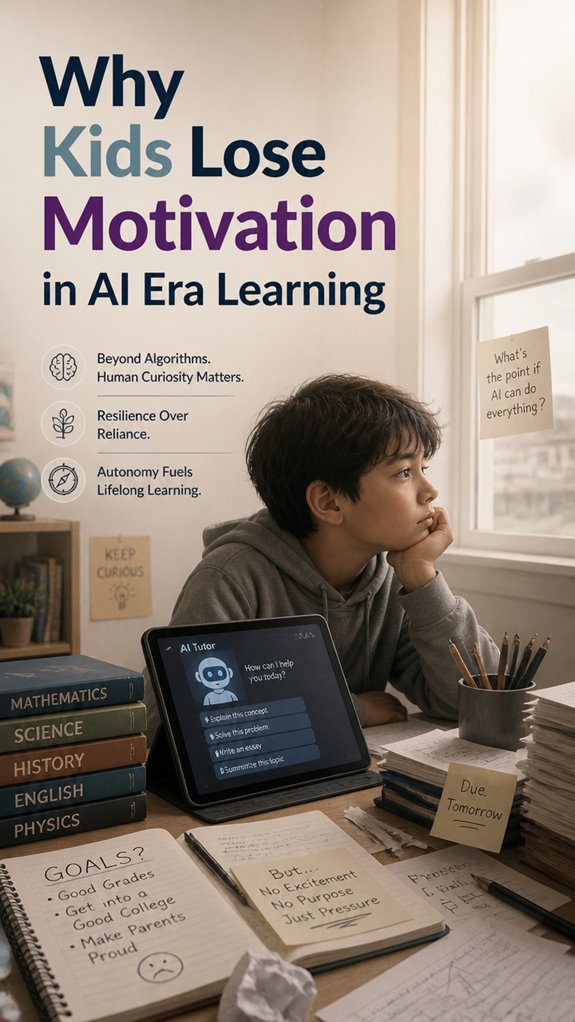

How Can You Help Your Distracted Child Regain Focus?
Distracted kids need structured routines, calm spaces, and intentional strategies to rebuild attention. Start by organizing distraction-free zones at home, breaking tasks into bite-sized chunks, and weaving mindfulness into daily life. Carol Dweck’s research on growth mindset reminds us that effort builds resilience. Consistency transforms scattered brains into focused ones.
My Wake-Up Call with My Own Kid
I watched my son struggle through third grade, bouncing between tasks like a pinball. That’s when I realized I wasn’t just another parent frustrated by screens and chaos. I started Adaptive Atlas because kids deserve tools that actually work, not generic advice. We write to bridge the gap between what experts know and what families actually need to implement.
The Moment That Changed Everything
Last Tuesday, my daughter completed her entire homework without interruption. Not because I yelled. Not because I removed distractions. She’d internalized the routine we’d built together over weeks. That small victory proved that patience plus structure equals real transformation. Her focus didn’t happen overnight, but it happened.
Quick Takeaways
- Establish consistent routines and designated spaces to create stability and reduce overstimulation.
- Incorporate mindfulness and brief attention-building exercises to strengthen neural pathways.
- Minimize digital distractions through digital detoxes and limited screen time.
- Break tasks into small, manageable steps and use visual cues for clarity and confidence.
- Foster a growth mindset by praising effort, emphasizing progress, and promoting resilience.
Why Kids Struggle With Focus Today and How You Can Help
Many kids today struggle to stay focused because the world around them has changed faster than traditional approaches to learning and discipline can keep up. This rapid change often impacts their ability to strengthen memory recall and emotional regulation.
When children face constant distractions, they find it harder to hold onto information or manage frustration, making focus even more challenging. As a parent, you can help by creating environments that nurture these skills. Support your child’s growth by encouraging small, consistent moments of reflection, helping them learn how to regulate emotions during setbacks. Building deep focus habits requires intentional practice and patience from caregivers who understand that sustained attention is a skill that develops over time.
Keep in mind, this isn’t about quick fixes but developing a system that builds resilience and self-awareness over time. Solid routines grounded in patience help children develop the mental agility they need for the future.
How to Build Routines That Help Your Kid Focus
Building effective routines for your child isn’t just about setting a schedule; it’s about creating a steady system that promotes focus and resilience. Mindful boundaries help your child understand what’s expected and when, fostering a sense of security. Routine rituals, like consistent morning or bedtime practices, reinforce stability and signal that focus time is valuable. To support long-term growth, design routines that empower your child to manage their time and responsibilities without feeling restricted.
| Focus Area | Key Practice | Benefit |
|---|---|---|
| Boundaries | Clear start and end points | Builds self-control |
| Rituals | Consistent tie-ins to daily life | Reinforces focus habit |
| Flexibility | Adapt routines as needed | Encourages independence |
| Reflection | Review progress periodically | Cultivates self-awareness |
| Celebration | Recognize effort and growth | Boosts motivation |
How to Create a Distraction-Free Environment at Home
Creating a distraction-free environment at home isn’t about controlling every moment; it’s about establishing intentional spaces and routines that support focus and resilience.
Building a calm, intentional space fosters focus and resilience, rather than trying to control every moment.
Bust the multitasking myths—kids can’t truly handle split focus without overload. Instead, create calm zones where sensory overload is minimized, helping children anchor themselves and develop attention. Understanding how blended skill sets can enhance focus helps kids prepare for environments that value sustained concentration.
- Limit noise and visual clutter to reduce overstimulation
- Designate specific areas for work, play, and rest
- Use consistent routines to create predictability
- Encourage mindful breaks to reset attention spans
Simple Attention Strategies to Keep Kids on Track

If you want your child to stay focused, it’s helpful to use simple, consistent attention strategies that support their natural ability to concentrate. Mindfulness exercises, like breathing or brief pauses, can help children build awareness of their focus without overwhelming them.
Focus hacks—such as breaking tasks into small steps or creating predictable routines—offer a clear structure that nurtures reliability and confidence. These strategies aren’t about forcing focus but about reinforcing neural patterns that encourage sustained attention over time. Reducing screen time exposure allows children’s brains to reset and recover their natural concentration abilities in an increasingly digital environment.
Fun Ways to Make Learning Active and Motivating
Making learning active and motivating helps children develop the skills they’ll need in an uncertain future. Creative play and movement activities turn lessons into engaging experiences, helping kids stay focused and excited about learning.
You can incorporate activities like role-playing, hands-on experiments, or outdoor challenges that involve physical movement. These methods build resilience, problem-solving, and independence—qualities essential for future adaptability.
Keep in mind, fears of losing control are common, but by providing structured, playful approaches, you reinforce a sense of mastery and confidence.
Use routines that combine play with learning, encouraging exploration and curiosity. This approach isn’t just about fun; it’s about creating a system that cultivates the ability to stay engaged and motivated long-term, preparing children to thrive amidst constant change. Developing high impact skills through these active learning experiences equips kids with the competencies that will matter most in an AI-driven economy.
Neurodevelopmental Tips to Improve Focus in Kids With ADHD
When your child has ADHD, focusing can feel like an uphill battle, and it’s natural to worry about their future success. The good news is you can support their development by understanding sensory integration and executive functioning.
Sensory integration helps kids manage stimuli from their environment, making it easier to stay grounded and attentive. Strengthening executive functioning—skills like planning, impulse control, and task management—builds their ability to direct attention and organize thoughts.
These skills aren’t fixed; they can grow with intentional strategies that promote neural pathways supporting focus. Instead of fixing what’s “wrong,” focus on creating systems that develop these core abilities. Project-based learning at home provides hands-on opportunities for children to practice executive functioning while maintaining engagement through meaningful tasks.
Over time, your child learns to handle distractions better, gaining confidence and independence, shaping a future where focus is a flexible tool for lifelong growth.
Neuroscience Findings on Attention Deficits

Have you ever wondered why some children struggle to stay focused or get easily distracted? It all comes down to how their neural circuitry and neurotransmitter regulation work.
In kids with attention challenges, certain brain networks don’t communicate smoothly. For example, the salience network, which helps switch attention, may not work well with the default mode network (DMN), leading to frequent distractions. Developing attention skills early can help rewire these neural pathways and strengthen their capacity to manage distractions effectively.
- Disrupted neural pathways reduce focus and increase mind-wandering
- Imbalances in neurotransmitters like noradrenaline and dopamine affect attention control
- Faulty inhibitory signals from the thalamic reticular nucleus (TRN) impair filtering distractions
- Structural brain changes, such as delayed cortex maturation, also play a role
Understanding these patterns helps you see that attention isn’t just about effort — it’s rooted in system-level brain functions you can nurture over time. Recent research also shows that specific brain structures like the TRN are involved in attention regulation, highlighting potential pathways for improving focus through targeted interventions.
Addressing Digital Distraction Challenges
Digital distractions are a reality in today’s world, but they don’t have to control your child’s attention. You can help them reclaim focus through simple, intentional steps.
A digital detox, where screens are temporarily set aside, allows your child to reconnect with the present moment.
Mindfulness practices, like breathing exercises or quiet reflection, create space for awareness and calmness. These techniques build resilience against constant interruptions and foster long-term attention skills. Understanding risk awareness helps children recognize how unchecked digital habits can impact their development and decision-making abilities.
Instead of fearing technology, view it as a tool that needs balanced guidance. By establishing routines that encourage mindful engagement and limiting unnecessary digital use, you’re supporting your child’s ability to focus and adapt.
This empowered approach helps them develop a sense of control, shaping a resilient, future-ready mindset.
none
In today’s world, focusing isn’t just about avoiding distractions; it’s about building habits and environments that support sustained attention and emotional resilience. With mindful parenting, you create space for your child to connect with themselves and others. Understanding why kids attention span is shrinking helps you address the root causes of focus challenges rather than just the symptoms.
Creative engagement helps children develop flexible thinking, making focus a natural skill.
- Foster daily routines that encourage presence, rather than multitasking.
- Use gentle, intentional pauses to help children regain calm and clarity.
- Incorporate activities that inspire curiosity and personal expression.
- Model mindfulness in your own actions, showing how focus nurtures confidence.
Fear of constant distraction is common, but keep in mind, you’re guiding your child toward adaptability.
Growth Mindset Development Strategies
Developing a growth mindset in children may feel like a process of constant effort, but it’s really about creating supporting systems that encourage resilience and learning from setbacks.
You can do this through habit formation—helping children develop routines that reinforce effort and persistence without frustration. Focus on mindset cultivation by praising effort, not just results, and framing mistakes as opportunities to learn.
It’s important to stay calm and confident, showing children that progress is a journey, not a race. By establishing consistent patterns of positive response to challenges, you give them a sense of control over their growth.
This approach builds long-term strength, enabling kids to navigate future uncertainties with confidence—a crucial skill in today’s rapidly changing world. When children learn to discover and plan their future goals, they develop the foresight needed to channel their growth mindset into actionable steps.
The Adaptive Atlas Anti-Fragile Child System
Have you ever wondered how some children bounce back quickly from setbacks while others seem to get stuck? The Adaptive Atlas Anti-Fragile Child System nurtures child resilience and emotional regulation, helping kids thrive amid constant change. You might worry about your child facing uncertainties, but this system focuses on building core strengths. By developing antifragility through adversity, children learn to transform challenges into opportunities for growth.
- Teach children to stay engaged under pressure and recover from difficulty
- Encourage self-directed learning, turning setbacks into growth opportunities
- Foster adaptability by focusing on skills like critical thinking and creativity
- Use AI tools as partners, amplifying their thinking without dependency
This approach guarantees your child is prepared for a future of ongoing change. It’s not about controlling everything but strengthening their capacity to handle whatever comes, shaping a resilient, confident future.
The Adaptive Atlas Framework
Five connected systems designed to help parents raise adaptable, future-ready children in a world shaped by AI, automation, and constant change.
| 🛡️ |
Anti-Fragile Child SystemBuilds resilience, adaptability, and the ability to handle uncertainty without shutting down. |
| 📚 |
Learning Stack ModelDevelops self-directed learning habits and continuous skill acquisition beyond school systems. |
| 🚀 |
Future Skill Stack SystemFocuses on high-value human skills that remain relevant in an AI-driven economy. |
| 🤖 |
AI Learning SystemTeaches children how to use AI as a thinking partner instead of becoming dependent on it. |
| 🧭 |
Child Type Navigator SystemPersonalizes learning and development based on each child’s strengths and personality. |
FAQ
How Can I Identify My Child’s Unique Distraction Triggers More Effectively?
Did you know 75% of kids exhibit unique distraction patterns? To boost trigger awareness, observe your child during activities, note moments of drift, and identify specific environmental, emotional, or cognitive factors causing their distraction for tailored support.
What Are the Best Ways to Reinforce Focus Habits Consistently at Home?
You can reinforce focus habits by establishing routines that incorporate reward systems, encouraging your child’s autonomy and motivation. Consistency and positive reinforcement create a sense of liberation, empowering them to develop self-directed focus effortlessly.
How Do Cultural Differences Influence Attention Management Strategies?
Cultural expectations shape attention norms, influencing how kids focus and engage. By understanding these differences, you can break the mold, freeing your child from rigid attention patterns and empowering them to adapt to any environment with confidence.
What Role Does Emotional Resilience Play in Improving Focus?
Emotional resilience fosters focus by building emotional strength through resilience training, enabling your child to handle distractions without losing their stride. This liberation empowers them to stay adaptable, confident, and centered amid constant change.
How Can Technology Be Used as a Tool to Enhance, Not Hinder, Attention?
Did you know kids spend over seven hours daily on screens? Use digital boundaries and mindful tech to empower their focus, promoting autonomy and liberation from distraction, turning devices into tools that support attention mastery rather than hinder it.
References
- https://tutoring.k12.com/resources/skills/focus-and-attention/reducing-distractions/focus-strategies-to-reduce-distractions-for-elementary-students/
- https://www.healthparkpediatrics.com/5-methods-for-raising-easily-distracted-children/
- https://matharoundthecorner.com/resources/the-distraction-epidemic-how-to-help-kids-focus-better-in-school-and-at-home
- https://www.chkd.org/patient-family-resources/our-blog/5-ways-to-improve-your-child-s-focus/
- https://www.brainbalancecenters.com/blog/adhd-friendly-focusing-tips-child
- https://bimiboo.net/8-most-effective-tips-to-improve-your-childs-concentration/
- https://blogs.cornell.edu/learning/7-ways-to-help-your-child-overcome-focus-issues/
- https://childmind.org/article/not-all-attention-problems-are-adhd/
- https://www.corampacey.org.uk/action-on-distraction/
- https://www.psychologytoday.com/us/blog/suffer-the-children/201104/7-tips-to-help-a-distracted-child