Can Kids Actually Thrive When Everything Changes?
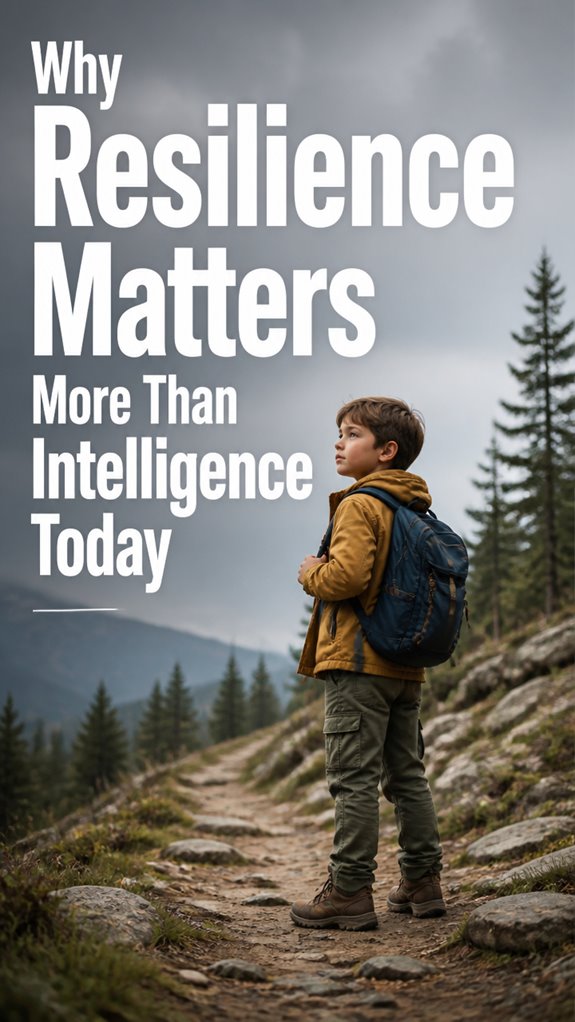
Yes. The secret isn’t predicting the future. It’s building brains that bend without breaking.
—
My daughter Maya came home convinced she’d “failed” coding class because her first program crashed. I watched her spiral until I remembered something neuroscience actually proves: struggle rewires neural pathways. So we grabbed her laptop together. Instead of fixing it for her, I asked questions. Within an hour, she’d debugged her own code and discovered something better than a working program. She’d discovered she could figure things out.
That moment sparked Adaptive Atlas. We built it because kids need more than reassurance. They need systems that let them practice resilience in real situations. Not worksheets about grit. Actual challenges where adaptation becomes muscle memory.
—
The Moment That Changed Everything
Last week, I watched a student pivot their entire project when their original idea wouldn’t work. No panic. No freeze. Just curiosity and action. That’s what happens when you’ve practiced adapting instead of avoiding discomfort. The skill transferred. The confidence multiplied.
Quick Takeaways
- Foster a growth mindset by viewing change as an opportunity for learning and development.
- Cultivate emotional agility and resilience to adapt confidently to new challenges and environments.
- Encourage curiosity and self-directed learning to master new skills rapidly and stay adaptable.
- Teach ethical decision-making and responsible AI use to navigate societal shifts thoughtfully.
- Promote anti-fragility by embracing manageable challenges that strengthen emotional and moral resilience.
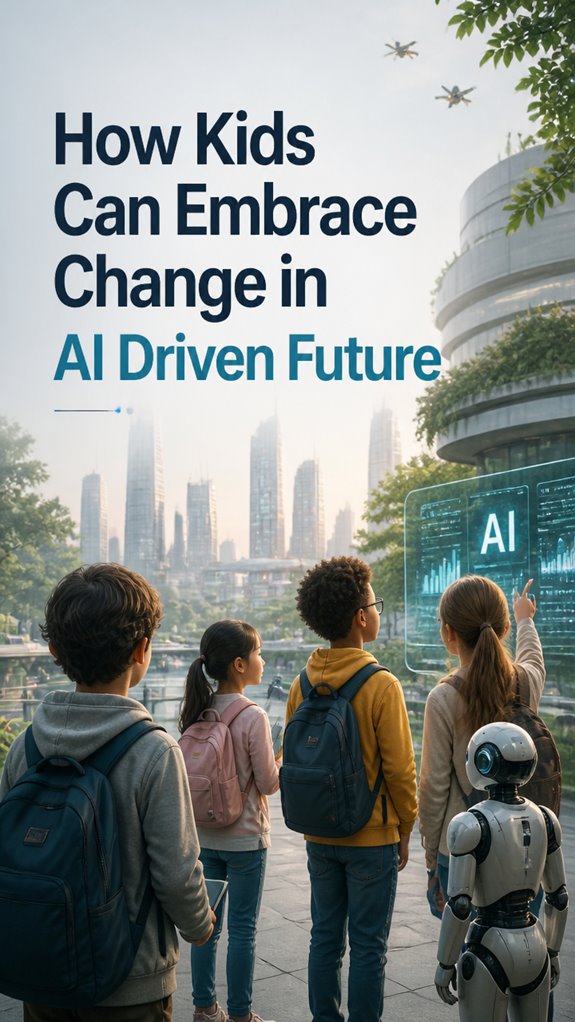
How Kids Can Embrace Change in AI-Driven Future
As parents, it’s normal to worry about how your child will keep up in an increasing AI-driven world. But instead of fixating on fears of obsolescence, focus on understanding the broader shifts happening—generational shifts and ethical considerations that shape this new environment.
Encourage your child to see change as an opportunity, not a threat. Teach them that adaptability is a core skill, and that their ability to learn, think critically, and collaborate with AI will determine their future success.
It’s about building resilience and a mindset that embraces continuous growth. Remember, controlling the future isn’t possible, but cultivating flexibility and ethical awareness gives your child the power to navigate ongoing change confidently—and on their own terms.
Building Resilience and Adaptability in the Age of AI
Building resilience and adaptability in children is essential in a world where change is constant and unpredictable. With generational shifts driven by AI, automation, and decentralized systems, your child faces a future that no longer follows a fixed path. Instead of fearing these changes, focus on fostering ethical resilience—teaching your child to stay grounded amid uncertainty and to grow from setbacks.
This involves developing a mindset that embraces learning, curiosity, and flexibility. Outdated beliefs about stability no longer serve; instead, encourage systems thinking—recognizing patterns and opportunities in chaos.
Strategies to Prepare Children for an AI-Influenced World
Preparing your child for an AI-influenced world means shifting from trying to predict exact outcomes to focusing on nurturing adaptable skills that will serve them long-term. Instead of clinging to outdated ideas of fixed careers, emphasize developing emotional intelligence and moral reasoning.
Focus on cultivating adaptable skills like emotional intelligence and moral reasoning to prepare children for an AI-driven future.
These qualities help children navigate complex social and ethical questions, ensuring they remain confident and principled amid rapid change. As children engage more with digital platforms, teaching them about protecting their online reputation becomes equally important for their long-term success and wellbeing.
Here are key strategies:
- Foster emotional intelligence by encouraging empathy and self-awareness, so kids can handle human relationships better.
- Promote moral reasoning through discussions about fairness, honesty, and responsibility, guiding them to stay grounded in their values.
- Support self-directed learning to build curiosity, resilience, and the ability to adapt—core skills for thriving in an uncertain future.
These foundations empower children to face change with confidence and clarity.
Helping Kids Develop Confidence and Flexibility in Uncertain Times

In uncertain times, confidence and flexibility often feel like elusive qualities, but they’re skills you can develop intentionally. Emotional agility helps children manage their feelings and stay resilient amidst change.
By encouraging creative exploration, you give them space to experiment and learn from setbacks without fear of failure. Instead of focusing on controlling the future, shift the goal to building their capacity to adapt. Antifragile systems actually improve when exposed to stress and volatility, which is why controlled challenges benefit children’s development.
Praise effort, curiosity, and problem-solving, not just results. This nurtures confidence grounded in their ability to handle uncertainty. Reinforce that change is part of growth, and flexibility is a strength.
Over time, these skills help children see challenges as opportunities, equipping them to navigate a world where adaptability is the most valuable asset.
Confidence in Change Toolkit for Kids
Confidence in change isn’t something kids are born with—it’s a skill that can be grown intentionally. To help them develop this, focus on nurturing emotional intelligence and cultural awareness. These create a foundation of resilience and openness. Understanding managing life transitions helps children navigate the specific challenges they face during periods of change.
Building confidence in change grows through nurturing emotional intelligence and cultural awareness.
Here are three key steps:
- Encourage Emotional Awareness: Help kids name and understand feelings, building self-regulation and empathy.
- Foster Cultural Curiosity: Promote exploring different viewpoints and traditions, strengthening flexibility and global understanding.
- Model Growth Mindset: Show that mistakes are opportunities to learn, empowering children to face uncertainty with confidence.
Neuroscience Insights on Adaptability
Understanding how your child’s brain adapts to new challenges can help you see why fostering flexibility is essential. The brain’s neuroplasticity mechanisms allow neurons to change and form new connections, which sustains cognitive flexibility as children grow. This flexibility enables them to learn different skills and adjust to rapid change—key in a future shaped by AI and continuous evolution.
While many fear that aging or stress reduce adaptability, research shows that with training, brains can maintain and even improve their capacity to rewire, preserve stability, and acquire new knowledge. Encouraging your child to embrace steady learning and exploration nurtures this resilience. Neurogenesis, the process of creating new neurons, continues into adulthood and plays a crucial role in supporting cognitive flexibility, emphasizing that adaptability is a lifelong asset. By engaging with creative AI tools, children can practice problem-solving in dynamic environments that challenge their thinking and strengthen their adaptive capabilities.
Resilience Hurdles and Fixes

Resilience can be a real hurdle as kids face setbacks or unexpected challenges, and many parents worry about how their children will handle failure in a world that’s constantly shifting.
But remember, resilience is built through emotional intelligence and mindful parental guidance.
To help your child thrive:
- Foster open conversations about feelings, teaching them to name and understand emotions during setbacks.
- Encourage a growth mindset, showing that mistakes are part of learning and growth.
- Provide steady support, helping them develop inner strength and confidence to recover from difficulties.
Fear of failure can hold kids back, but reframing challenges as opportunities to develop future-ready skills empowers them. Learning freelance skills early can further build resilience by giving children hands-on experience managing their own projects and overcoming real obstacles.
Resilience isn’t about avoiding failure; it’s about learning to grow through it, shaping adaptable, capable individuals ready for the AI-driven world.
The Adaptive Atlas Anti-Fragile Child System
In a world full of unpredictability, helping your child become anti-fragile means giving them the tools to grow stronger through challenges rather than breaking under pressure.
The Adaptive Atlas Anti-Fragile Child System builds resilience by nurturing emotional intelligence and moral reasoning. These skills help your child understand their feelings and navigate social complexities, fostering confidence when facing change. By developing antifragility through adversity, children learn that controlled exposure to manageable stressors actually strengthens their ability to handle future challenges.
Instead of fearing uncertainty, they learn to adapt, recover, and grow from setbacks. This system encourages a mindset that sees setbacks as opportunities, cultivating independence and trust in their own judgment.
The Full Adaptive Atlas Framework
The Full Adaptive Atlas Framework weaves five interconnected systems into one cohesive approach that equips your child for a future of constant evolution.
You fear AI will erase jobs—it’s true some will vanish, but this framework reframes that into quantum learning, where your child masters rapid adaptation, turning change into their edge.
- Build anti-fragility first: Your child thrives in uncertainty, like Nassim Taleb’s antifragile heroes, growing stronger from setbacks.
- Ignite self-directed quantum learning: They craft personal loops for endless skill-building, outpacing AI’s pace.
- Embed ethical decision making: They wield AI tools wisely, creating value across careers with moral clarity.
This system liberates you from outdated linear paths, giving your child compounding freedom to shape tomorrow. (124 words)
The Adaptive Atlas Framework
Five connected systems designed to help parents raise adaptable, future-ready children in a world shaped by AI, automation, and constant change.
| 🛡️ |
Anti-Fragile Child SystemBuilds resilience, adaptability, and the ability to handle uncertainty without shutting down. |
| 📚 |
Learning Stack ModelDevelops self-directed learning habits and continuous skill acquisition beyond school systems. |
| 🚀 |
Future Skill Stack SystemFocuses on high-value human skills that remain relevant in an AI-driven economy. |
| 🤖 |
AI Learning SystemTeaches children how to use AI as a thinking partner instead of becoming dependent on it. |
| 🧭 |
Child Type Navigator SystemPersonalizes learning and development based on each child’s strengths and personality. |
FAQ
How Can Parents Foster a Growth Mindset About Failure and Risk?
You can foster a growth mindset by encouraging resilience through risk taking and flexibility, showing that failure isn’t final but part of learning, and modeling openness to mistakes, so your child sees challenges as opportunities to grow stronger.
What Activities Best Promote Curiosity and Lifelong Learning in Children?
Envision igniting a spark that lights endless pathways—through creative exploration and questioning techniques, you liberate children’s curiosity, turning every discovery into an adventure. Foster their limitless wonder, and watch them endlessly learn and grow.
How Do Social-Emotional Skills Influence Adaptability in Ai-Accelerated Environments?
Your emotional intelligence directly boosts your adaptability skills, empowering you to navigate AI-accelerated environments with confidence. Cultivating empathy, self-awareness, and resilience liberates you from fear, making change a powerful opportunity for growth and innovation.
How Can Educators Integrate AI Ethically Into Daily Learning Practices?
Like guiding a gentle river, you craft pathways for AI’s flow with responsible integration, respecting AI ethics. You empower learners, releasing their freedom, while weaving technology into education’s fabric ethically, illuminating their journey toward a future of innovation and independence.
What Indicators Show a Child Is Developing Resilience Effectively?
You’ll notice your child demonstrates emotional regulation during setbacks and shows problem solving agility in unfamiliar situations. These indicators reveal they’re building resilience, empowering them to navigate change independently and confidently, unlocking their potential in a developing world.
References
- https://crescentadvisorygroup.com/5-ways-to-prepare-our-children-for-an-ai-first-future/
- https://cefa.ca/preparing-children-with-essential-skills-for-a-future-dominated-by-ai-and-machine-learning/
- https://conniealbers.com/what-still-matters-for-kids-in-an-ai-world/
- https://www.youtube.com/watch?v=jhOom7j8MZ8
- https://www.gse.harvard.edu/ideas/edcast/24/10/impact-ai-childrens-development
- https://www.brookings.edu/articles/ais-future-for-students-is-in-our-hands/
- https://news.stonybrookmedicine.edu/news/researchers-have-a-new-understanding-of-cognitive-adaptability/
- https://pubmed.ncbi.nlm.nih.gov/41469445/
- https://www.annualreviews.org/content/journals/10.1146/annurev-devpsych-120621-042108?crawler=true
- https://bcs.mit.edu/news/finding-some-stability-adaptable-brains