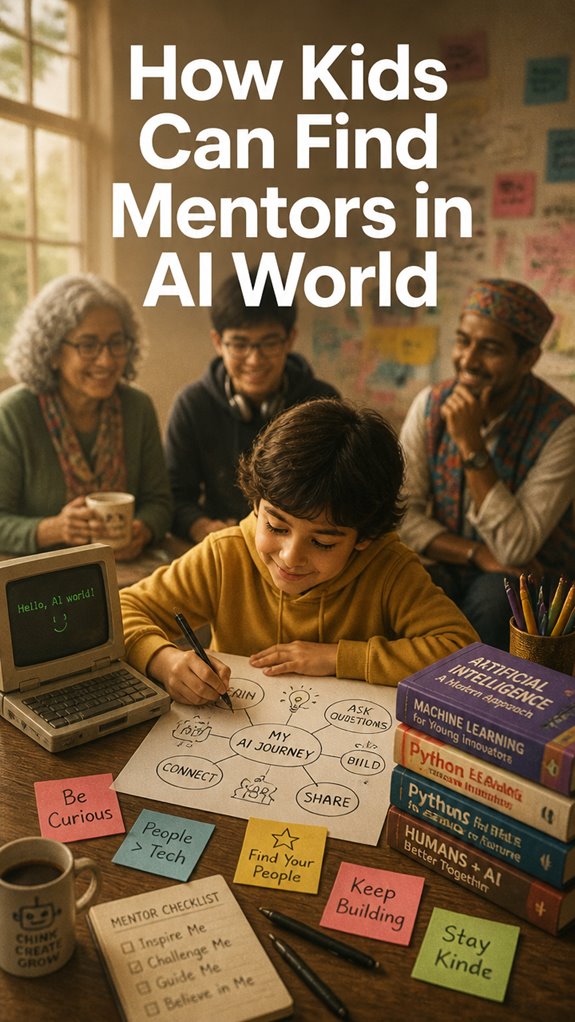
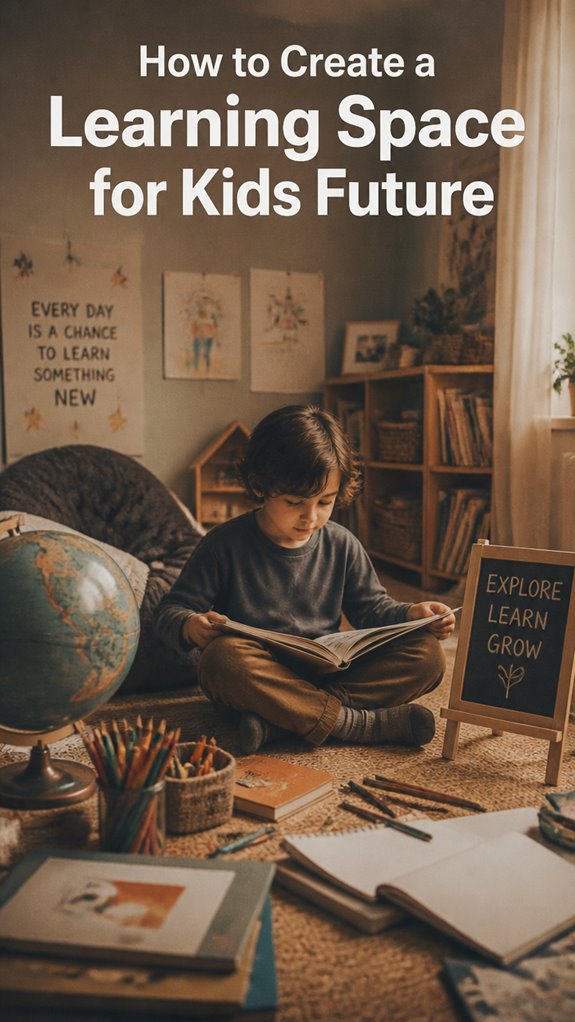
Why Does Your Child’s Learning Space Matter More Than You Think?
Because environment shapes brains. A thoughtfully designed space teaches your child that learning matters, that their comfort matters, and that independence is worth building.
How I Discovered This Truth
My daughter sat frustrated at our cluttered dining table, surrounded by noise and visual chaos. That’s when I redesigned her corner: natural light streaming in, materials she could reach herself, zero distractions. The shift was immediate. She focused longer. Asked better questions. That experience sparked Adaptive Atlas, our resource for parents who want to build learning environments that actually stick. We write it because too many kids are struggling in spaces designed for convenience, not growth.
A Moment That Changed Everything
Last Tuesday, my son independently organized his math tools without being asked. I watched from the doorway. No prompting. No reminders. Just a kid who’d internalized that his space belonged to him. That’s when I understood: autonomy breeds responsibility. A quiet, ordered environment isn’t luxury. It’s foundational infrastructure for a thinking human.
Quick Takeaways
- Personalize the environment to match your child’s learning style and interests for better engagement and confidence.
- Design a calm, clutter-free space with natural light and sensory elements to promote focus and emotional well-being.
- Create designated zones for different activities to encourage independence and organized learning.
- Incorporate flexible, adaptable routines and materials that grow with the child’s evolving needs.
- Focus on fostering long-term skills like resilience, critical thinking, and self-management for future readiness.
Figure Out Your Child’s Learning Needs and Space Preferences
Understanding your child’s unique learning needs and preferences for space is the first step toward preparing them for a future of continuous change. Each child has a distinct learning style—some thrive in quiet, focused environments, while others need more movement and interaction.
Recognizing these environmental factors helps you create a space that supports their natural tendencies and builds their confidence. This isn’t about perfect setups but about aligning the environment with what helps your child learn best.
When you understand their strengths and preferences, you gain control over their development. Self-awareness in children enables them to recognize their own learning patterns and advocate for environments that support their growth. As Stanford researcher Carol Dweck emphasizes, mindset and environment shape growth.
Find the Best Spot and Set Up for Focus and Comfort
Creating a dedicated spot for your child to focus and learn isn’t about perfection; it’s about consistency and intention. When you pick a space, prioritize emotional safety—your child needs to feel secure to explore and create. A comfortable environment encourages confidence, making it easier to develop creative outlets essential for future adaptability.
Choose a quiet, clutter-free area that minimizes distractions and allows focus. This space should be flexible enough for different tasks—reading, drawing, or problem-solving—and adaptable as your child’s needs evolve. Research shows that environment affects learning habits, making thoughtful design choices critical for long-term academic success.
*Recall*, the goal isn’t a perfect setup but a predictable, inviting environment that invites engagement. By intentionally designing this space, you empower your child to build resilience, confidence, and the skills they’ll rely on in a constantly changing world.
Add Stimulating and Calm Elements to Keep Your Kid Engaged
Adding stimulating and calm elements to your child’s learning space helps strike a balance that keeps their mind engaged without feeling overwhelmed.
Creating a balanced learning space with calming and stimulating elements supports focus and emotional well-being.
When children experience multisensory stimulation—touch, sound, sight, and smell—they develop a richer understanding of their environment and improve focus.
Incorporate elements like soft lighting to promote emotional calm, while colorful visuals or textured materials can spark curiosity.
Use calming scents or gentle background music to help regulate emotions and reduce anxiety.
By intentionally designing spaces that combat AI-driven passivity, parents can encourage active engagement rather than allowing technology to create dependency on passive consumption.
Consider these tools:
- Visuals that inspire curiosity but aren’t distracting
- Textured materials for tactile exploration
- Soft lighting to create a tranquil atmosphere
- Gentle sounds or music to support emotional calm
This approach nurtures resilience, supporting children’s ability to adapt—an essential skill in a future shaped by constant change.
Organize Materials for Easy Access and Independence
A well-organized space gives your child the independence they need to grow and adapt confidently. By establishing clear systems for digital organization, you help them navigate the increasing digital world with ease, reducing frustration.
Use labeled bins, shelves, or drawers to keep materials accessible, reinforcing sensory integration through varied textures and calming design. When everything has a designated spot, your child learns to find and put away their materials independently, building essential executive skills.
This consistent structure supports long-term adaptability, encouraging the child to develop confidence in managing their environment. Keep in mind, it’s not about perfection but creating a system that promotes calm, focus, and autonomy—key for thriving in a world of constant change. Developing future-ready skills like organization and self-management early on prepares children to confidently navigate evolving workplaces and educational landscapes.
Make It Personal and Routine-Driven to Boost Motivation
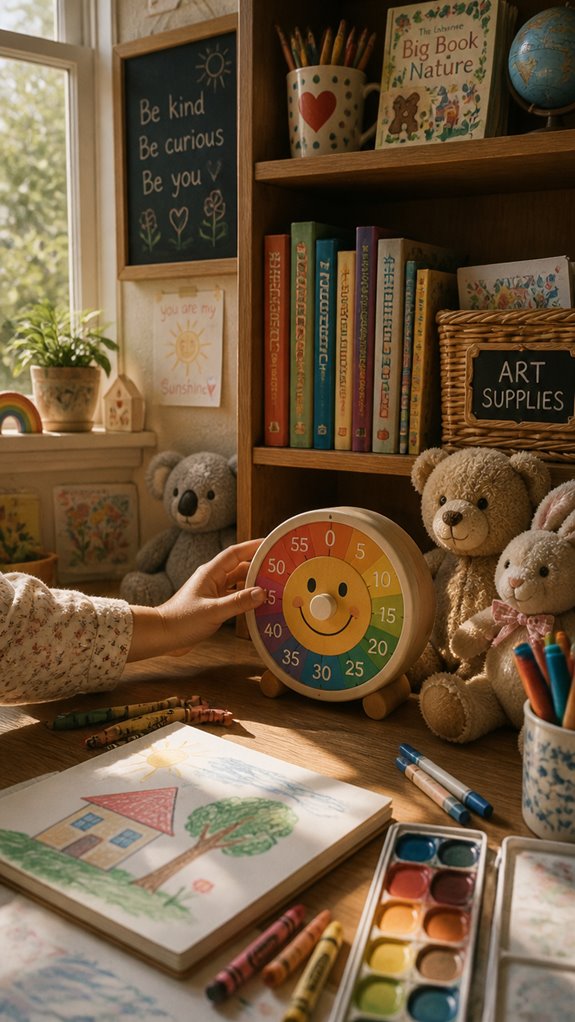
When you make learning routines personal to your child, you create meaningful engagement that fuels their motivation. A parent mindset focused on routine consistency builds trust and stability, helping your child feel secure and enthusiastic to learn.
Personalization ensures that activities align with their interests, strengths, and growth trajectory, making learning relevant and compelling. Be intentional about establishing habits that reinforce autonomy and mastery, encouraging them to take ownership of their progress.
Keep routines clear and predictable but flexible enough to adapt as your child evolves. Research shows that family learning routines create structured environments where children develop confidence and independence in their educational journey.
- Connect routines to your child’s passions and goals
- Celebrate small wins to reinforce motivation
- Use visual cues and timers for structure
- Consistently review and adapt routines based on feedback
This approach nurtures resilience and capability, shaping a confident, adaptable future.
Designing Physical Learning Zones
Have you ever wondered how the environment around your child influences their ability to learn and adapt? Designing physical learning zones isn’t about perfect setups; it’s about creating spaces that support sensory integration and multisensory materials. When children can engage through touch, sight, and sound, they build neural pathways that sharpen focus and foster resilience. Observing and documenting these developmental changes through skill development tracking helps you identify growth patterns and adjust your learning environment accordingly.
| Sensory Integration | Multisensory Materials |
|---|---|
| Incorporate textures, sounds, and visuals to stimulate development | Use diverse materials like clay, noise makers, or textured boards to deepen engagement |
| Encourage children to explore different sensory inputs | Allow children to self-regulate and enhance attention control |
A thoughtfully designed space helps children become adaptable and confident—building the foundation they need for the future.
Impact of Natural Lighting
Natural lighting plays a crucial role in shaping a child’s ability to learn and thrive. It’s not just about comfort; sunlight therapy and thoughtful architectural design greatly influence cognitive growth. When children are exposed to natural light, their brains become more active, boosting creativity and problem-solving skills. Well-lit spaces lead to faster progress in math and reading, helping kids excel academically. Furthermore, daylight fosters better mood and emotional well-being, reducing anxiety and promoting a positive learning environment. Developing critical thinking skills alongside exposure to natural light creates a comprehensive learning approach that supports both cognitive and emotional development. To harness this power, consider: – Maximizing window size and placement for abundant daylight – Using architectural design to avoid glare and shadow – Incorporating daylight sensors to optimize light throughout the day – Designing spaces that encourage outdoor exposure when possible Exposure to natural light also reduces the risk of Vitamin D deficiency, supporting overall physical health. Creating such environments restores control and offers children the best foundation for a future-ready mind.
Addressing Distractions Effectively
Addressing distractions effectively is essential for helping children stay focused and develop strong learning habits. You can start by using soundproofing strategies, such as acoustic dividers or sound-absorbing furniture, to block outside noise and minimize auditory distractions. Creating dedicated, clutter-free workspaces emphasizes the importance of a focused environment. Distraction identification is crucial; observe what pulls your child’s attention away, whether it’s background noises, visual clutter, or digital devices. Remove or control these triggers by storing devices away during study time and decluttering the space. Clear, focused environments help children build resilience and stay engaged longer, fostering independence. Keep in mind, no space is perfect, but deliberate management creates a foundation for long-term focus and adaptability — skills that are essential as they grow and face an unpredictable future. Creating designated workspaces helps children associate specific areas with learning and concentration.
Home Learning Environment Planner
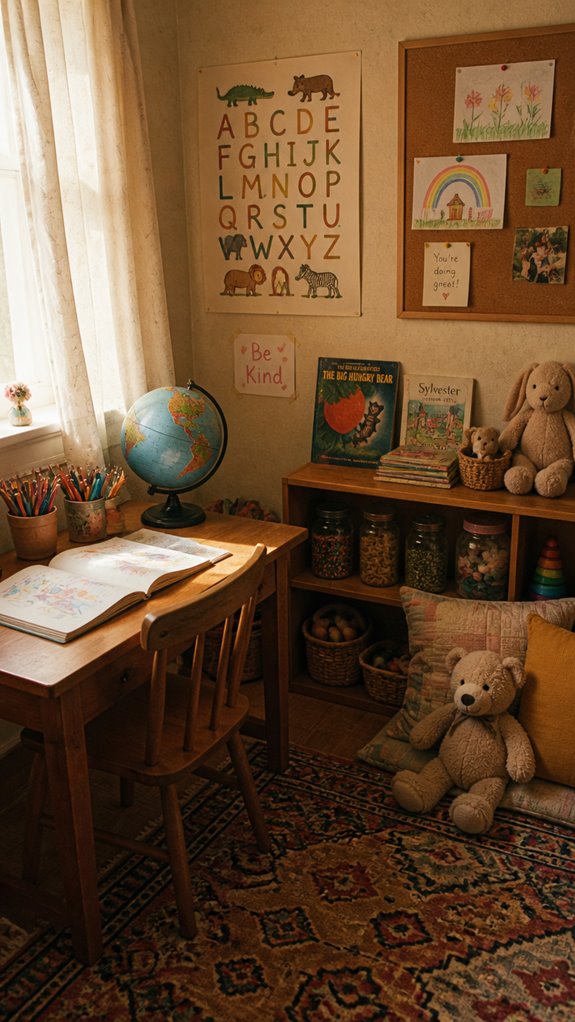
Creating a home learning environment that supports your child’s ability to adapt and grow is a powerful step toward their future success. By tailoring the space to their learning style, you reinforce independence and confidence. Environmental personalization isn’t just about decor—it’s about arranging the space to match how your child learns best. The optimal learning setup should be intentionally designed to minimize distractions while maximizing engagement with the material.
Consider these actions:
- Designate specific zones for focused work and creative play, respecting their unique needs.
- Use visual cues or minimal distractions to match their attention style.
- Incorporate tools and resources aligned with their strengths, like sensory elements or tech-based aids.
- Regularly update the environment to reflect their growth and changing interests.
This approach reduces fears of an inflexible setup and instead empowers you to shape a space that nurtures resilience, curiosity, and future-ready capabilities.
The Adaptive Atlas Learning Stack Model
The Adaptive Atlas Learning Stack Model offers a clear framework to help your child thrive in a world of constant change. It focuses on building learning independence and cognitive growth, giving your child the skills to adapt and create value over time.
Instead of relying on fixed knowledge or preparing for a specific job, this model emphasizes flexibility, critical thinking, and problem-solving. It recognizes that today’s world is unpredictable, but when children develop resilience and self-directed learning habits, they gain control.
You can reduce fears by understanding the importance of systems over quick fixes, encouraging long-term capability. The model also adapts to your child’s unique strengths, enabling ongoing growth that prepares them for a future where adaptability and strategic thinking are more valuable than ever. When deciding between traditional school and alternative learning, consider how each option aligns with developing these adaptive capabilities in your child.
The Adaptive Atlas Framework
Five connected systems designed to help parents raise adaptable, future-ready children in a world shaped by AI, automation, and constant change.
| 🛡️ |
Anti-Fragile Child SystemBuilds resilience, adaptability, and the ability to handle uncertainty without shutting down. |
| 📚 |
Learning Stack ModelDevelops self-directed learning habits and continuous skill acquisition beyond school systems. |
| 🚀 |
Future Skill Stack SystemFocuses on high-value human skills that remain relevant in an AI-driven economy. |
| 🤖 |
AI Learning SystemTeaches children how to use AI as a thinking partner instead of becoming dependent on it. |
| 🧭 |
Child Type Navigator SystemPersonalizes learning and development based on each child’s strengths and personality. |
FAQ
How Can I Adapt the Learning Space as My Child’s Interests Evolve?
You adapt the learning space through interest adaptation and space personalization, empowering your child to explore new passions confidently. Keep the environment flexible, regularly update tools and resources, and encourage independent exploration, fueling their growth and adaptability.
What Strategies Help Younger Children Stay Focused in Shared Spaces?
You can boost focus by integrating interactive tools that engage their interests and creating sensory zones to stimulate different senses, empowering younger children to stay attentive and active in shared spaces, fostering independence and confidence.
How Do I Balance Structure and Flexibility in a Child’s Learning Environment?
Balancing structure and flexibility is like steering a powerful ship; stay firm yet adaptable. You cultivate playful engagement, encourage sensory exploration, and give your child room to lead, ensuring they develop resilience and independence in a dynamic environment.
What Are Quick Ways to Refresh the Learning Space Without Major Overhaul?
Quickly refresh your learning space by integrating new tech tools and updating ergonomic furniture. Rearrange layouts to foster collaboration, add inspiring visuals, and guarantee ergonomic design—empowering your child to engage actively, confidently, and adaptively in their developing environment.
How Can I Incorporate Future Skills Into a Simple, Home-Based Setup?
You can develop future skills by integrating technological tools for critical thinking and creativity, paired with outdoor activities that foster adaptability and resilience. This powerful combination immerses your child in real-world problem-solving, shaping a future-ready mindset.
References
- https://kidcreate.com/blog?post=how-to-create-a-learning-friendly-environment-copy1
- https://collabforchildren.org/resources-for-families/resource-library/practical-tips-for-creating-a-learning-rich-environment-at-home/
- https://commonsensepress.com/how-to-create-a-learning-corner-at-home-for-kids/
- https://www.youthlandacademy.com/blog/how-to-create-a-learning-friendly-space-at-home/
- https://www.child-focus.org/news/how-to-create-an-effective-home-learning-space-in-24-hours/
- https://www.waterford.org/resources/how-to-create-an-at-home-learning-space/
- https://www.dpi.nc.gov/rethink-education-how-create-home-learning-environment-guide/download?attachment
- https://www.powerhomeschool.org/articles/create-learning-environment-home/
- https://www.improveitusa.com/blog/how-natural-lighting-benefits-kids-learning/
- https://pbk.com/insights/designing-for-natural-daylighting-in-educational-spaces-a-brighter-future-for-students/