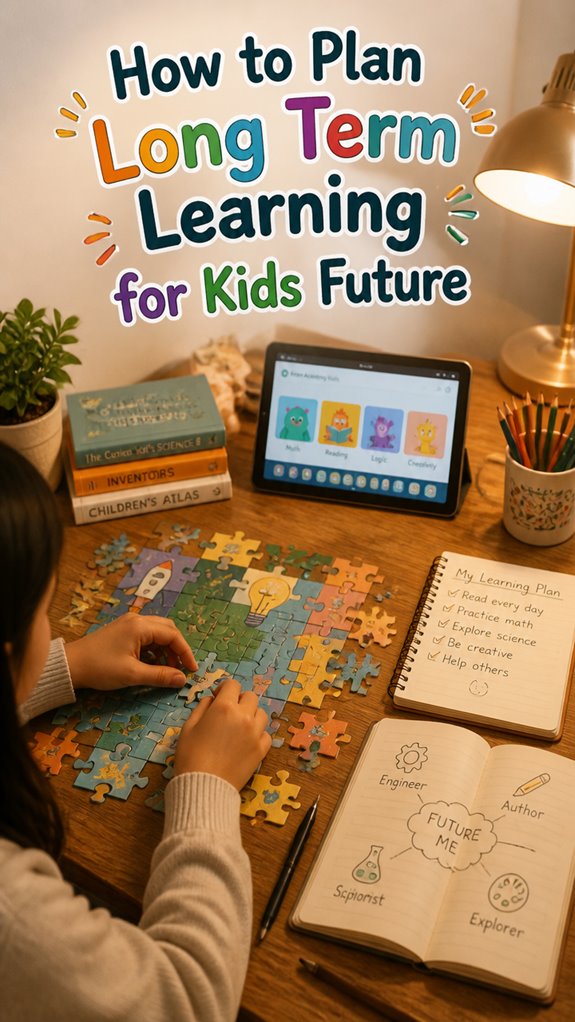
How Can You Build a Future-Ready Learning Path for Your Child?
Creating a flexible, personalized approach beats rigid milestone chasing. Focus on growth, resilience, curiosity, and emotional intelligence. Use systems-based strategies to navigate change. Adjust regularly based on progress patterns.
A Lesson From the Learning Trenches
My daughter resisted math until I stopped forcing worksheets. We built Adaptive Atlas because we watched too many kids shut down when learning felt like punishment. Real growth happens when curiosity drives the work, not compliance. We write it to show parents that adaptation beats rigid timelines every single time.
The Moment Everything Clicked
Last summer, my son abandoned his reading app. We panicked. Then we noticed him devouring graphic novels for hours. That switch taught us something crucial. Flexibility isn’t weakness. It’s how learning actually sticks. Sometimes the best educational move is stepping back and following their genuine interests instead.
Quick Takeaways
- Develop flexible, personalized learning plans that incorporate diverse activities and interests to foster curiosity and resilience.
- Focus on building core skills like emotional intelligence, adaptability, and critical thinking for future readiness.
- Set growth-oriented goals that emphasize effort, process, and skill development over fixed outcomes.
- Use regular feedback and reflection to adapt strategies, monitor progress, and support behavioral and emotional growth.
- Cultivate a supportive environment that encourages independence, resilience, and positive attitudes towards change and learning.
How to Discover Your Child’s Learning Style and Needs
Understanding your child’s unique learning style and needs might seem overwhelming at first, but it’s an essential step toward preparing them for a future where adaptability is key.
Neuroscience engagement reveals that children process information differently—some learn best through visuals, others through hands-on activities, or by listening. To identify this, observe how your child interacts with different tasks and note what excites or challenges them most.
Children absorb information uniquely—observe their interactions to uncover what sparks their learning and confidence.
Learning identification isn’t about labels; it’s about understanding which strategies boost their confidence and growth. Recognizing patterns in their curiosity and effort allows you to tailor support, building a foundation for lifelong resilience. Starting with small creative projects helps children discover their strengths while building confidence in their natural abilities.
Recall, this isn’t about fixing them but releasing their innate strengths, so they can navigate the evolving world with confidence and independence.
Setting Realistic Long-Term Goals to Motivate Your Child
Setting realistic long-term goals can feel overwhelming, especially with so much uncertainty about the future. But shifting your mindset to focus on growth, rather than fixed outcomes, brings clarity and power.
Emphasize process over specific results, encouraging your child to develop a growth mindset — the belief that abilities can be built through effort and learning. This helps them see challenges as opportunities, not threats.
Break big goals into smaller, manageable steps that provide a clear sense of progress. This approach gives your child a sense of control and motivation. Project-based learning at home can serve as an effective framework for breaking down these goals into actionable, real-world tasks that keep your child engaged and moving forward.
Keep in mind, the goal isn’t perfection but adaptability. By focusing on systems of learning and capability-building, you empower your child to navigate change and shape a resilient, future-ready mindset that will serve them lifelong.
Creating a Flexible Learning Plan That Grows With Your Child
Creating a flexible learning plan that adapts as your child grows might seem challenging at first, especially when thinking about the unpredictable future. But it’s possible to design an environment that evolves with them. Focus on engagement strategies that foster curiosity, resilience, and independence.
Use varied learning activities, encourage exploration, and reflect on your child’s interests and strengths—these are the foundation of a future-proof plan.
Incorporate diverse activities, promote curiosity, and regularly assess your child’s evolving interests to build a resilient learning environment.
Keep in mind, stability isn’t about rigid schedules but about principles that can shift as they develop. This way, your child remains engaged and motivated, feeling in control of their learning journey.
As your child engages with online resources and digital tools, help them develop a positive digital footprint by modeling responsible online behavior and discussing thoughtful digital citizenship.
Instead of fear of change, see this as an opportunity to nurture adaptability—an essential skill for the world ahead.
Resources and Strategies to Keep Your Child Learning Steady
When it comes to supporting your child’s steady learning, resources and strategies that adapt to their changing needs are essential. Cultural diversity enriches their understanding of global viewpoints and builds empathy—key skills for future collaboration. Emotional intelligence helps your child manage challenges, build resilience, and stay focused on growth. Teaching work skills and responsibility early prepares children to take ownership of their learning journey and develop the independence needed for long-term success. To create a strong foundation, consider these strategies:
| Resource | Strategy |
|---|---|
| Diverse books and media | Incorporate stories from different cultures to broaden horizons. |
| Social-emotional programs | Use tools like mindfulness and reflection exercises regularly. |
| Community engagement | Encourage participation in multicultural activities. |
| AI tools for self-guided learning | Leverage AI to personalize learning paths aligned with your child’s strengths. |
These resources empower your child to navigate uncertainty, adapt, and thrive long-term.
How to Track Progress and Adjust Your Child’s Learning Plan
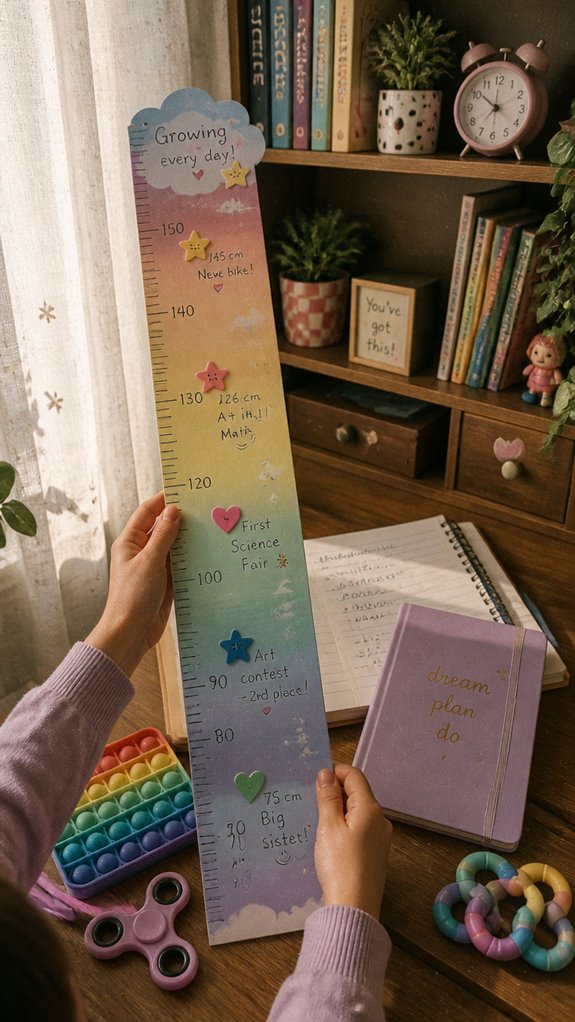
Tracking your child’s progress might seem overwhelming at first, especially with so many skills and changes to watch for. The key is to use measurement strategies that focus on growth and adaptability.
Regular feedback loops help you identify what’s working and what needs adjustment, ensuring your plan stays aligned with your child’s developing needs. Rather than stressing over every detail, view progress as a pattern—notice how your child responds to challenges, and adjust activities to build resilience and capability.
Keep in mind, the goal isn’t perfection but continuous improvement. By staying aware of small shifts and acting on understanding, you’ll empower your child to develop long-term skills essential for an uncertain future. Teaching your child emotional support strategies can help them process anxiety about upcoming changes and build confidence in their ability to adapt.
This systematic approach brings clarity, control, and confidence into your parenting journey.
Future Societal Impact of AI
As artificial intelligence continues to evolve rapidly, many parents worry about how it will reshape society and their child’s future. While concerns about AI bias and ethical considerations are valid, they shouldn’t create fear. Instead, see them as opportunities to build resilience and critical thinking in your child.
AI bias highlights the importance of understanding how technology can reflect human flaws, emphasizing the need for intentional judgment and oversight. By teaching children to question and evaluate AI outputs, you empower them to navigate a complex world confidently. Parents should be aware of outdated skills that may no longer serve their children’s future success in an AI-driven economy.
Future success depends on their ability to collaborate with AI ethically and adapt to ongoing change. Focus on developing systems that foster moral awareness, critical thinking, and adaptability—skills that will give your child lasting leverage in an uncertain future.
Neuroscientific Insights on Adaptability
Research in neuroscience shows that a child’s developing brain is highly adaptable and responsive to their environment, especially during childhood and adolescence. This neural adaptability forms the foundation of cognitive flexibility—the ability to adjust thinking in new or uncertain situations. Neuroscientific studies indicate that during adolescence, the neural circuits involved in reward processing and behavioral regulation continue to mature, enhancing the ability to learn from experience neural development. As a parent, you might worry about how stable your child’s skills are, but neuroscience reveals that promoting varied experiences and healthy emotional regulation actually strengthens their brain’s flexibility. During adolescence, the brain’s reward systems and regulatory circuits become more capable of shifting focus and responding adaptively. This ongoing development means that, with support, your child can learn to navigate change confidently. Assigning children meaningful work and responsibilities during these formative years reinforces neural pathways associated with decision-making and resilience.
Addressing Resistance to Change
Children often resist change because it threatens their sense of safety and control, which is natural but can hold them back from becoming flexible and adaptable. Resistance management focuses on understanding behavioral adaptation—shifting behaviors without triggering defensiveness or fear. As careers become increasingly diverse and require constant skill evolution, children who learn to embrace change develop a crucial advantage in navigating multiple career transitions throughout their lives.
| Strategy | Explanation |
|---|---|
| Build attachment | Strong bonds help children feel secure, reducing counterwill. |
| Offer choices | Giving 2-3 options fosters control and eases transitions. |
| Patience and empathy | Respond calmly to resistance, avoiding coercion. |
| Environment setup | Create spaces where success feels natural, promoting comfort with change. |
| Consistent routines | Balance structure with flexibility to build confidence over time. |
Long Term Learning Planner for Families
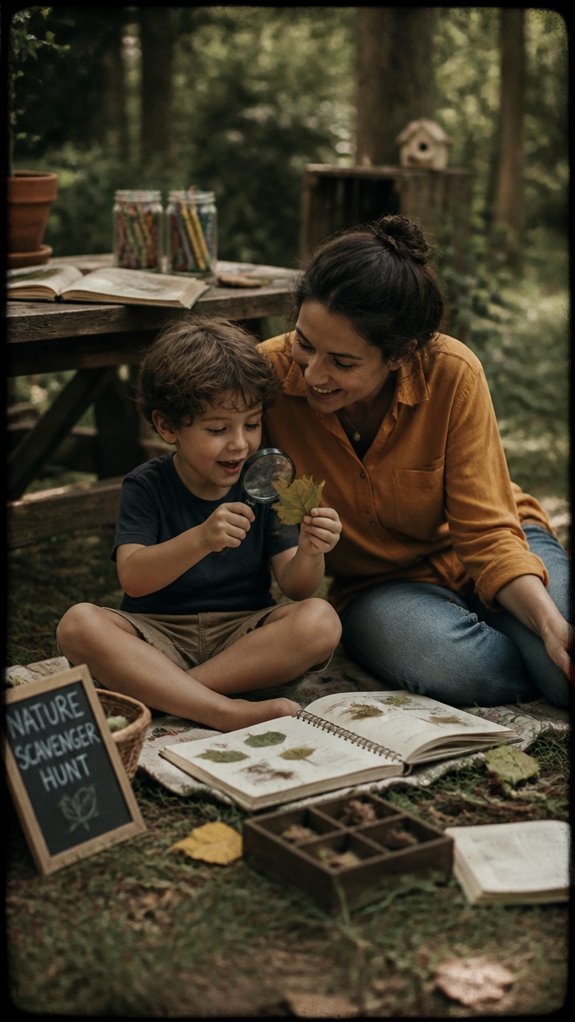
Creating a long-term learning plan for your family shifts focus from reactive parenting to proactive growth. Recognize that generational shifts and changing parenting frameworks mean adapting your approach. Instead of fixating on traditional milestones, focus on building skills that empower your child to thrive amid constant change. Implementing strategic education planning helps families establish clear pathways for skill development across multiple years.
Develop a long-term learning plan to foster adaptable, resilient, and curious children prepared for a ever-changing world.
- Prioritize developing resilience and adaptability, so your child can handle uncertainty confidently.
- Focus on fostering curiosity and critical thinking, key skills in a world of rapid innovation.
- Use systems-based thinking to plan long-term skills, like problem framing and decision-making.
- Embrace personalized strategies that respect your child’s unique strengths and needs.
The Adaptive Atlas Learning Stack Model
The Adaptive Atlas Learning Stack Model provides a clear framework to guide your child’s ongoing development in a rapidly changing world. It emphasizes building skills like metacognitive strategies, which help kids become aware of how they learn and think. This awareness fosters cognitive resilience, enabling children to recover from setbacks and adapt to new challenges with confidence.
Instead of focusing solely on knowledge, this model encourages children to become self-directed learners who can navigate ambiguity and uncertainty. Teaching practical life skills alongside academic content ensures children develop the capability to apply their learning in real-world situations.
By integrating systems that personalize learning, develop resilience, and leverage AI tools as partners, you empower your child to create long-term value.
This approach reduces fear of uncontrollable change and builds capability—ensuring your child remains relevant, adaptable, and prepared to shape their future.
The Adaptive Atlas Framework
Five connected systems designed to help parents raise adaptable, future-ready children in a world shaped by AI, automation, and constant change.
| 🛡️ |
Anti-Fragile Child SystemBuilds resilience, adaptability, and the ability to handle uncertainty without shutting down. |
| 📚 |
Learning Stack ModelDevelops self-directed learning habits and continuous skill acquisition beyond school systems. |
| 🚀 |
Future Skill Stack SystemFocuses on high-value human skills that remain relevant in an AI-driven economy. |
| 🤖 |
AI Learning SystemTeaches children how to use AI as a thinking partner instead of becoming dependent on it. |
| 🧭 |
Child Type Navigator SystemPersonalizes learning and development based on each child’s strengths and personality. |
FAQ
How Can Parents Foster Intrinsic Motivation for Long-Term Learning?
Think of nurturing intrinsic motivation as tending a garden of lifelong curiosity; you empower your child by valuing exploration, autonomy, and purpose, inspiring them to pursue knowledge naturally and develop an unstoppable drive for continuous, self-directed growth.
What Role Do Emotional Resilience and Social Skills Play in Lifelong Learning?
You recognize that emotional intelligence and social development are critical for lifelong learning, empowering your child to navigate challenges, collaborate effectively, and adapt with resilience. They build the foundation for sustained growth, influence, and mastery in an unpredictable world.
How to Balance Digital Tools With Traditional Learning Methods?
You should actively manage screen time and device use, integrating digital tools to amplify learning without overwhelming traditional methods. Control device management to guarantee your child develops critical thinking and adaptability, harnessing technology as a powerful cognitive amplifier.
How Do Cultural Values Influence Long-Term Learning Plans?
Envision Galileo’s era—your cultural identity shapes your child’s values transmission, guiding their adaptability and resilience. You harness cultural influences to design powerful long-term learning plans, cultivating global competence and reinforcing core values essential for future success.
What Strategies Help Children Develop Adaptability Beyond Academics?
You empower your children by encouraging creative play and outdoor exploration, cultivating resilience, curiosity, and independence. These strategies foster adaptability, helping them navigate change confidently, seize opportunities, and develop the strength to thrive in an ever-evolving world.
References
- https://teachbeyond.org/article/long-term-curriculum-planning
- https://raisingchildren.net.au/disability/school-play-work/school/individual-learning-plans-ilps-children-teenagers
- https://www.thethinkacademy.com/blog/edubriefs-how-to-create-a-personal-learning-plan-for-k12-students-a-step-by-step-guide/
- https://www.twinkl.com/teaching-wiki/long-term-plan-ltp
- https://bondandlearn.com/build-an-effective-weekly-learning-plan-for-kids/
- https://palcs.org/how-to-create-an-effective-study-schedule-for-your-children/
- https://www.teacherspayteachers.com/browse?search=year+long+lesson+plans
- https://www.buildinggreenblocks.org/post/creating-a-free-child-learning-plans-that-work-for-your-family
- https://www.apsva.us/wp-content/uploads/2020/04/Learning-Plan-Elem.pdf
- https://www.education.ky.gov/educational/compschcouns/ILP/Documents/ILP_Playbook_K-4_RT_JP Final.pdf