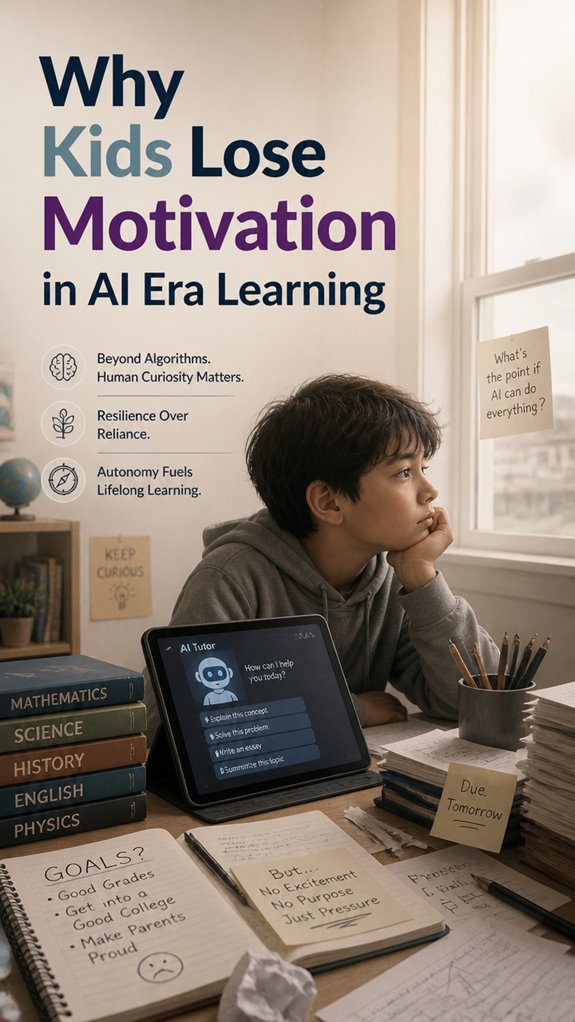

Why Your Child Loses Track of Time Online
Have you noticed your child can’t tell if they’ve been scrolling for five minutes or five hours? Constant digital exposure literally rewires developing brains, hijacking attention and patience. Reward loops embedded in apps trigger dopamine hits that obliterate time awareness. Your kid isn’t lazy, they’re neurologically outmatched.
I watched my daughter lose an entire Saturday to videos. She’d promised one episode. Three hours vanished. That moment sparked Adaptive Atlas, our platform designed to help families understand digital patterns without judgment. We write because kids deserve tools that respect their growth, not trap it.
Last week, my son actually asked for a timer. He’d started noticing how social media made him feel scattered. We set boundaries together, and something shifted. He finished homework faster. He played outside without checking his phone. Small win, but it proved kids want balance when given real support.
Quick Takeaways
- Digital devices alter brain regions responsible for attention, making it harder for kids to perceive and manage time effectively.
- Engagement loops and reward systems in apps encourage prolonged screen time, disrupting natural time awareness.
- Excessive digital exposure can impair neural pathways involved in patience and the healthy perception of time passing.
- Children may struggle with time management as they become less able to differentiate between virtual and real-world experiences.
- Lack of balanced digital habits hampers development of cognitive flexibility, resilience, and the ability to adapt to change over time.
How Digital Devices Impact Kids’ Brain Development and Time Perception
Many parents worry about how digital devices affect their kids’ brain development and perception of time. It’s true that frequent screen exposure impacts neural plasticity—the brain’s ability to adapt—and can lead to cognitive overload.
When kids switch rapidly between tasks or drown in endless information, their brains struggle to process and consolidate experiences. This reduces their capacity to develop focus, patience, and a healthy sense of time passing. Research shows that excessive screen time during critical developmental periods can alter the structure of brain regions responsible for attention and executive function.
But instead of fearing these changes, see them as opportunities to guide your child’s learning environment intentionally. By fostering digital habits that promote reflection and balanced engagement, you help them build resilience and adaptability.
This approach prepares your child for a future where long-term focus and flexible thinking matter more than ever.
What Features in Digital Apps Make Kids Overuse Devices?
Digital apps often include features designed to keep kids engaged for as long as possible without them realizing how much time has passed. These features, known as engagement loops, tap into the brain’s natural desire for reward and novelty.
They create a cycle where every interaction encourages the next, making it easy for kids to fall into digital addiction without noticing how long they’ve been on the screen. While it’s natural to worry about overuse, understanding these design tricks helps you see the patterns.
Instead of reacting with fear, focus on creating systems that promote healthier habits. Teaching children to recognize these features builds awareness and gives them control—essential skills for steering through a world where digital tools will always be part of their future.
Practical Tips for Parents to Manage Kids’ Screen Time
When it comes to managing your child’s screen time, it’s important to see this as an intentional system rather than just setting limits. Start by establishing clear behavioral boundaries that support your child’s development and reinforce digital literacy.
Instead of viewing screen time as a punishment or a restriction, frame it as part of a larger skill-building process that prepares them for the future. By aligning screen time with structured skill development, you create opportunities for intentional learning rather than passive consumption.
Consistency is key; make routines predictable and connected to long-term goals. Use conversations to reinforce why limits matter, helping your child see the value in balanced digital habits.
Keep in mind, the goal isn’t control but fostering an environment where they learn responsible use and develop adaptability. This approach empowers you and your child to navigate the digital world confidently, shaping a healthy relationship with technology for the future.
Time Struggle Awareness Guide for Parents

Understanding your child’s time struggles can feel overwhelming, especially in a world that constantly pulls their attention in many directions. But it’s vital to see these challenges as opportunities for growth, not just issues to fix.
Focus on helping your child develop self-awareness about how they spend their time and how they respond to digital distractions. This awareness builds the foundation for future adaptability—an essential skill as the world rapidly evolves. Many of these time management difficulties stem from causes of distraction that are unique to today’s digital environment.
Instead of trying to control every moment, teach them to recognize patterns and make intentional choices. Keep in mind, your role isn’t about perfection but about creating systems where learning to manage time becomes natural.
Neurodevelopmental Impacts of Gaming
Have you ever wondered how playing video games might shape your child’s brain? It’s natural to worry about their development, but understanding neuroplasticity adaptation can help.
Gaming influences the reward system development, often amplifying dopamine cycles. This can make kids more responsive to gaming rewards but may also reduce motivation for other activities. Developing key skills for the digital economy requires balancing gaming time with activities that build problem-solving and creativity across multiple domains.
Research shows gaming enlarges areas like the hippocampus, improving memory. Yet it can also heighten attention problems and depression in some children.
These changes aren’t inherently harmful; they simply reflect a child’s brain adapting to digital stimuli.
Brain activity differences in regions related to decision-making and reward processing may serve as neural markers to identify children at risk for gaming addiction, providing insights for early intervention.
Your role is to foster system-based awareness—supporting healthy balance, encouraging diverse learning, and guiding your child to use gaming as a tool, not a dependency.
This approach builds resilience and prepares them for a future of continuous change.
Childs’ Attention Span Challenges
Children’s attention spans are increasingly challenged in a world full of constant digital stimuli. You might worry about attention drift, where your child struggles to stay focused on one thing, and how time distortion makes moments seem shorter or longer than they really are.
These patterns aren’t just about technology—they’re part of adapting to a digital environment that rewards quick shifts of focus. The key is understanding that these challenges aren’t failures but opportunities to build systems that foster resilience. Implementing structured micro learning sessions can help your child regain control over their focus and develop a healthier relationship with time management.
The Adaptive Atlas Anti-Fragile Child System

In a world filled with uncertainty and rapid change, your main goal is to help your child develop resilience in the face of setbacks and challenges. The Adaptive Atlas Anti-Fragile Child System focuses on building emotional resilience and cognitive flexibility.
Instead of shielding children from difficulty, you teach them to stay composed when things get tough and adapt quickly to new situations. These skills prepare them for a future with constant change, where flexibility and emotional strength are essential. The anti-fragile approach goes beyond mere resilience by helping children actually benefit from stressors and adversity.
Some fear that this approach might encourage chaos, but it’s about creating a stable foundation that fosters confidence and independence. By emphasizing systems over shortcuts, you guide your child to thrive long-term—transforming challenges into growth and uncertainty into opportunity.
The Full Adaptive Atlas Framework
The Full Adaptive Atlas Framework offers a clear, practical approach to preparing your child for a constantly changing world. It focuses on developing their temporal perception—their sense of time—and cognitive flexibility—the ability to adapt thoughts and actions quickly. Instead of worrying about predictable futures, you learn to see change as normal.
This framework teaches children to stay grounded amid volatility, helping them understand how to reframe challenges as opportunities. It emphasizes long-term skills like critical thinking and problem-solving. By using systems rather than shortcuts, you help your child build resilience and adaptability.
This approach gives you control over their future, guiding them to navigate uncertainty confidently without fear. It’s about creating a flexible mind that thrives despite chaos.
The Adaptive Atlas Framework
Five connected systems designed to help parents raise adaptable, future-ready children in a world shaped by AI, automation, and constant change.
| 🛡️ |
Anti-Fragile Child SystemBuilds resilience, adaptability, and the ability to handle uncertainty without shutting down. |
| 📚 |
Learning Stack ModelDevelops self-directed learning habits and continuous skill acquisition beyond school systems. |
| 🚀 |
Future Skill Stack SystemFocuses on high-value human skills that remain relevant in an AI-driven economy. |
| 🤖 |
AI Learning SystemTeaches children how to use AI as a thinking partner instead of becoming dependent on it. |
| 🧭 |
Child Type Navigator SystemPersonalizes learning and development based on each child’s strengths and personality. |
FAQ
How Does Early Screen Exposure Affect Long-Term Impulse Control?
Ever wondered how digital dependency begins? Early screen exposure hampers impulse regulation, weakening long-term self-control. You can empower your child to break free by fostering mindful habits and cultivating resilience against this digital-driven impulse chaos.
What Are Subtle Signs Children Are Losing Track of Time?
You notice your child losing time perception when they become absorbed, overlook distraction cues, and struggle to gauge how long they’ve been engaged. These subtle signs signal they’re drifting from awareness, limiting their ability to manage their digital worlds freely.
How Can Parents Effectively Discuss Digital Boundaries With Resistant Teens?
Like negotiating with a digital Robin Hood, you set boundaries by openly discussing your child’s world, emphasizing building trust. You empower them, listen actively, and collaborate, making boundaries feel like liberation rather than restriction.
Are There Specific Age Milestones to Reassess Screen Time Limits?
You should reassess screen time limits using age-specific recommendations at key milestones, like early childhood, adolescence, and pre-teen years, to guarantee your child stays empowered and balanced, embracing digital freedom while maintaining healthy boundaries.
How Do Individual Child Traits Influence Their Digital Overuse Tendencies?
Ever wonder how your child’s personality traits shape their digital overuse? You influence their habits, but their unique traits—like impulsiveness or curiosity—determine susceptibility. By understanding this, you can foster healthier limits and nurture independence.
References
- https://www.healthychildren.org/English/family-life/Media/Pages/helping-kids-thrive-in-a-digital-world-AAP-policy-explained.aspx
- https://www.bark.us/blog/phone-time-management/
- https://blog.smilingmind.com.au/raising-mentally-fit-kids-in-a-digital-world
- https://raisedgood.com/how-to-safeguard-your-childs-mental-health-in-a-digital-world/
- https://pmc.ncbi.nlm.nih.gov/articles/PMC10353947/
- https://www.hbcsd.org/apps/pages/index.jsp?uREC_ID=3011576&type=d&pREC_ID=2711856
- https://www.brighthorizons.com/resources/webinar/family/managing-screen-time-in-the-digital-world
- https://familycenter.meta.com/resources/how-much-screen-time-for-teens/
- https://www.youtube.com/shorts/6aHsGYOTtHI
- https://jamanetwork.com/journals/jamanetworkopen/fullarticle/2797596